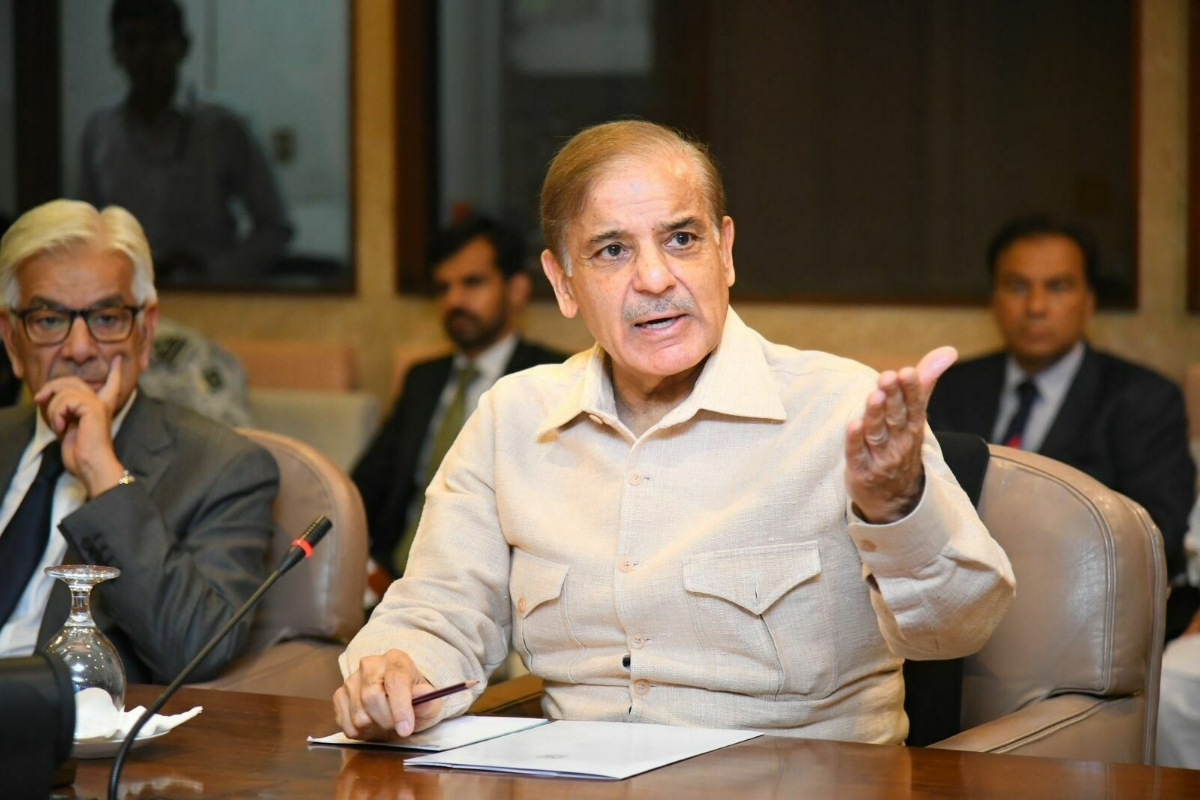
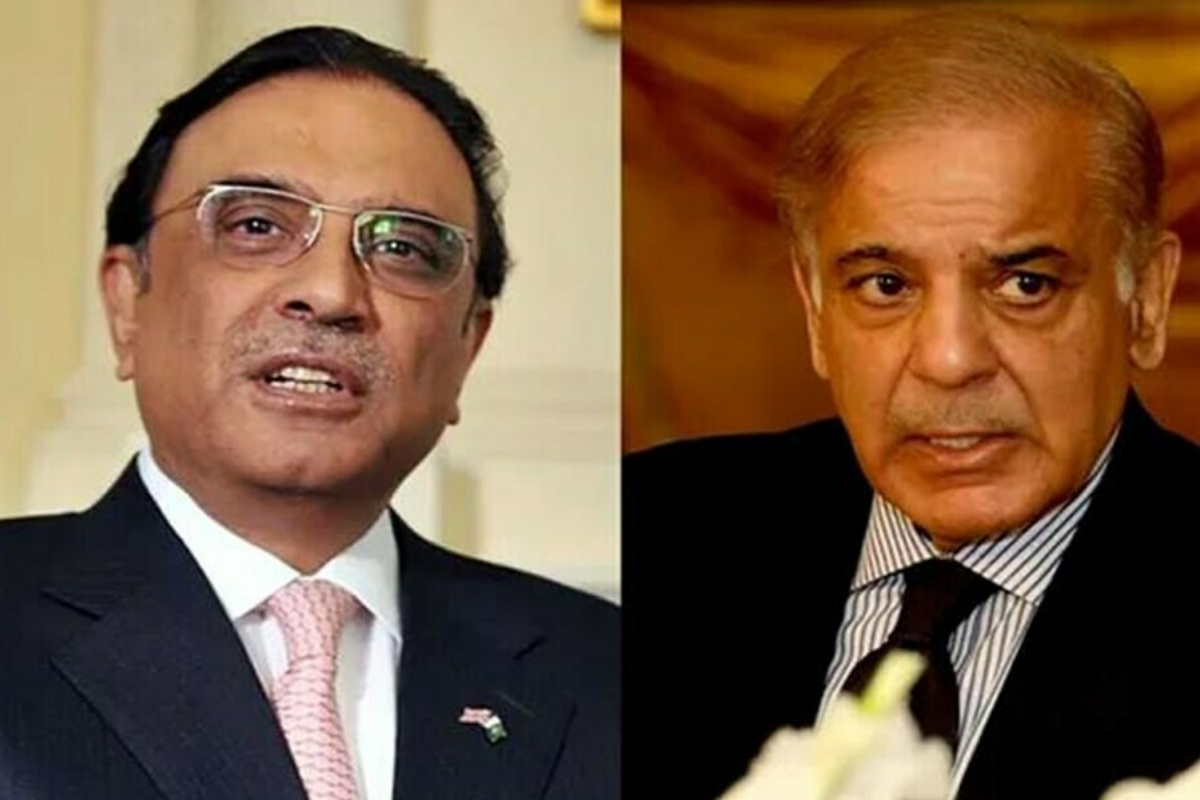
ISLAMABAD: President Asif Ali Zardari and Prime Minister Shehbaz Sharif have issued special messages on Jammu Martyrs’ Day, reaffirming Pakistan’s unwavering moral, political, and diplomatic support for the Kashmiri people in their struggle for justice and self-determination.
President Zardari described the November 6, 1947 Jammu massacre as one of the “darkest human tragedies in the history of the subcontinent,” stating that over 200,000 Muslims were brutally killed by Dogra forces, RSS militants, and armed mobs.
He said that “millions of Muslims were forced to migrate after the massacre,” terming it as one of the darkest chapters in modern history. The President lamented that the international community failed to give due attention to the genocide of Kashmiri Muslims, adding that their sacrifices remain a painful reminder of the unfinished story of Jammu and Kashmir.
President Zardari said India’s illegal occupation of Jammu and Kashmir continues to deny basic rights to its people, while the revocation of Articles 370 and 35-A was part of a “dangerous demographic engineering plan.”
He called the move a violation of the Geneva Conventions, urging the international community not to remain silent over India’s human rights abuses in the Indian Illegally Occupied Jammu and Kashmir (IIOJK).
He reaffirmed that Pakistan will continue to stand by the Kashmiri people in their just struggle for dignity, justice, and freedom.
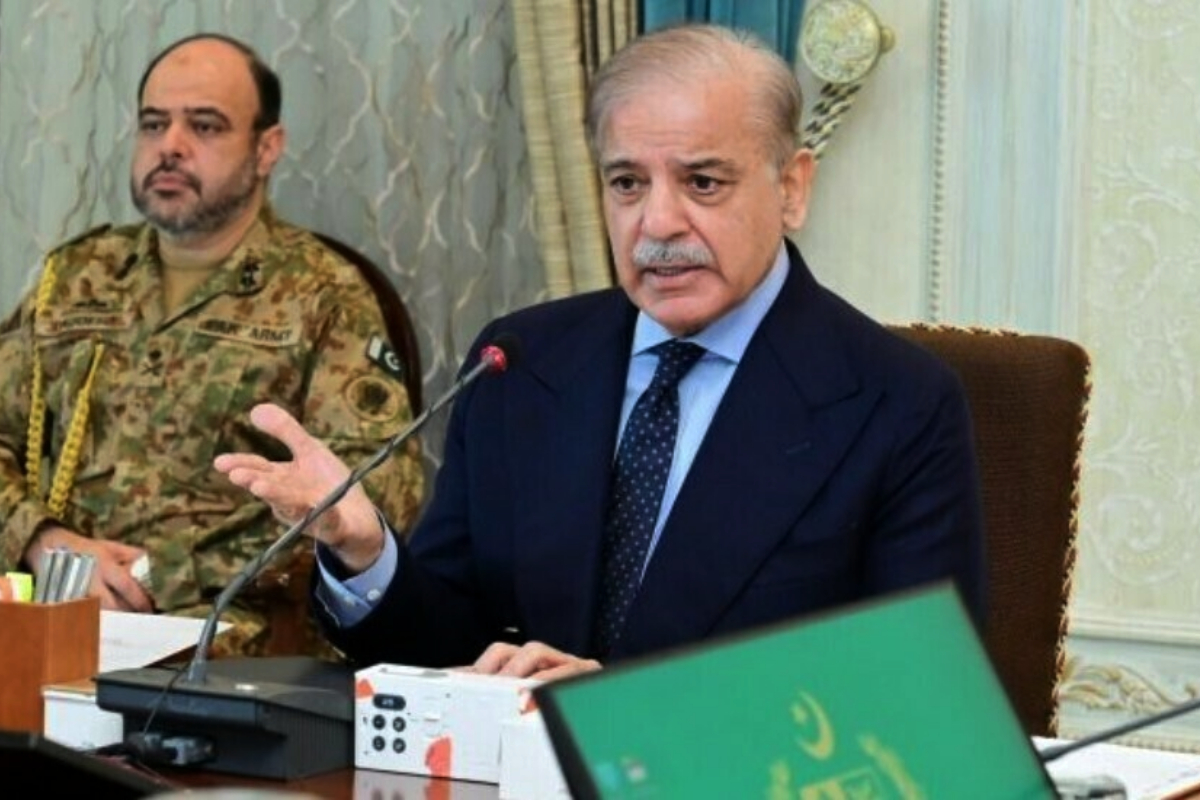
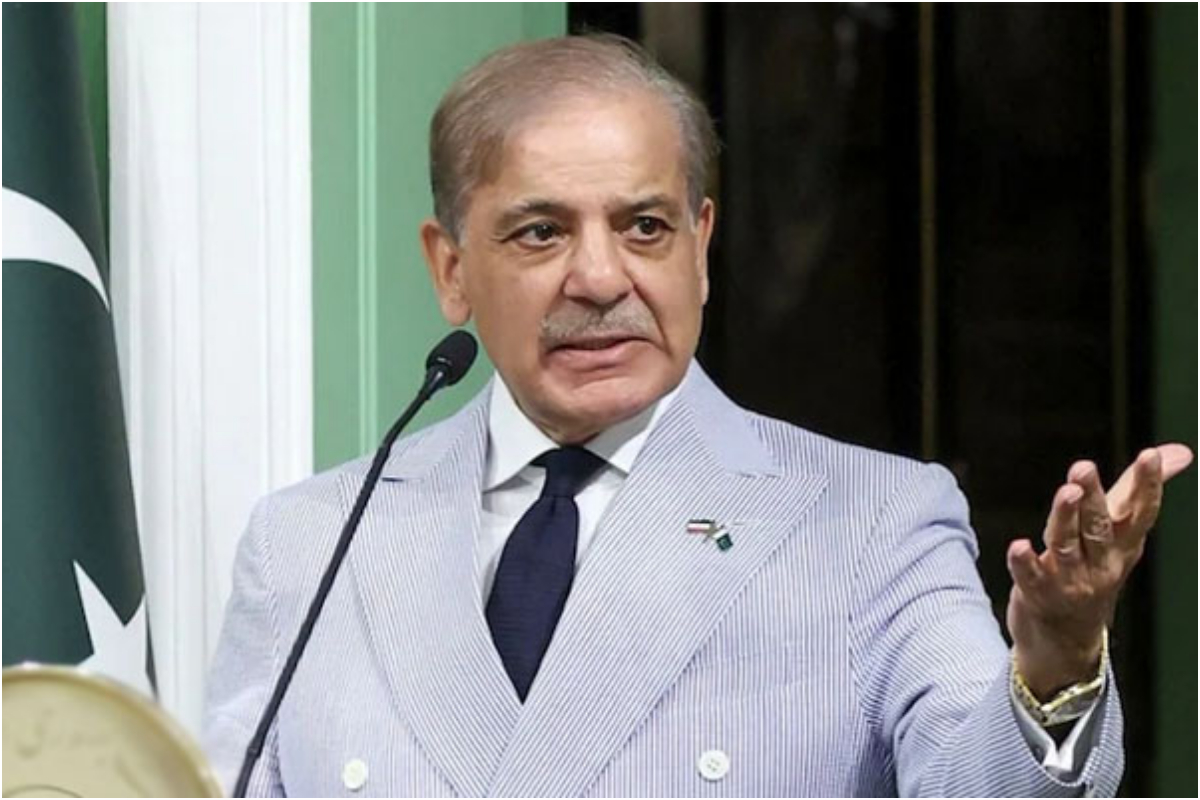
Prime Minister Shehbaz Sharif, in his message, called November 6, 1947, a dark day in the history of Jammu and Kashmir, noting that “even after eight decades, the pain of that tragedy remains etched in the memories of Kashmiris.”
He said the day symbolizes the Kashmiri people’s courage and unyielding resolve in the face of oppression. The Prime Minister stated that Indian forces and extremists had subjected over 237,000 Kashmiris to violence and genocide, attempting to alter the region’s demographic and religious composition.
The Kashmiris on both sides of the Line of Control (LoC) and around the world are observing Jammu Martyrs’ Day today to pay tribute to the hundreds of thousands of Muslims who were massacred in November 1947.
The day commemorates the memory of those who lost their lives when Hindu extremists brutally killed unarmed men, women, and children in Jammu during the first week of November 1947. Kashmiris continue to mark this day each year, reaffirming their resolve for freedom and justice.
For the past 77 years, the people of occupied Jammu and Kashmir have been enduring continuous oppression under India’s illegal occupation. Rights groups and Kashmiri leaders have urged the international community to break its silence and recognize the mass killings in Jammu as an act of genocide.
President Asif Ali Zardari and Prime Minister Shehbaz Sharif have issued special messages on Jammu Martyrs’ Day, reaffirming Pakistan’s unwavering moral, political, and diplomatic support for the Kashmiri people in their struggle for justice and self-determination.
President Zardari described the November 6, 1947 Jammu massacre as one of the “darkest human tragedies in the history of the subcontinent,” stating that over 200,000 Muslims were brutally killed by Dogra forces, RSS militants, and armed mobs.
He said that “millions of Muslims were forced to migrate after the massacre,” terming it as one of the darkest chapters in modern history. The President lamented that the international community failed to give due attention to the genocide of Kashmiri Muslims, adding that their sacrifices remain a painful reminder of the unfinished story of Jammu and Kashmir.
President Zardari said India’s illegal occupation of Jammu and Kashmir continues to deny basic rights to its people, while the revocation of Articles 370 and 35-A was part of a “dangerous demographic engineering plan.”
He called the move a violation of the Geneva Conventions, urging the international community not to remain silent over India’s human rights abuses in the Indian Illegally Occupied Jammu and Kashmir (IIOJK).
He reaffirmed that Pakistan will continue to stand by the Kashmiri people in their just struggle for dignity, justice, and freedom.
Prime Minister Shehbaz Sharif, in his message, called November 6, 1947, a dark day in the history of Jammu and Kashmir, noting that “even after eight decades, the pain of that tragedy remains etched in the memories of Kashmiris.”
He said the day symbolizes the Kashmiri people’s courage and unyielding resolve in the face of oppression. The Prime Minister stated that Indian forces and extremists had subjected over 237,000 Kashmiris to violence and genocide, attempting to alter the region’s demographic and religious composition.
Highlighting India’s ongoing oppressive policies, he said that the August 5, 2019 actions were part of the same strategy to suppress Kashmiris and deny them their right to self-determination, in clear violation of UN Security Council resolutions and international law.
The Prime Minister reiterated Pakistan’s solidarity with the Kashmiri people, vowing continued support for their legitimate struggle for freedom and justice.