
BREAKING NEWS
Advertise with us >

PM Shehbaz declares Harmain Sharfain security a ‘red line’ at UN

PM Shehbaz

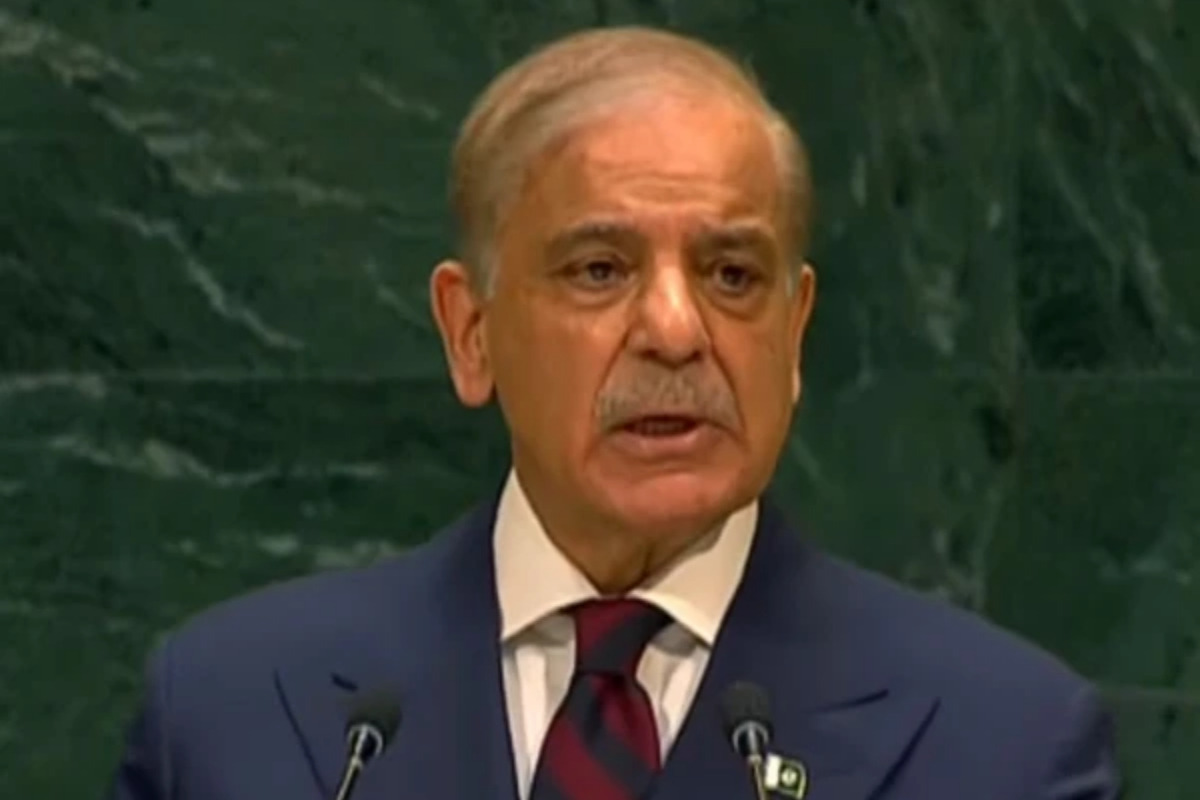
NEW YORK: Prime Minister Shehbaz Sharif said Friday that the security and sanctity of the Harmain Sharifain were a “red line” for Pakistan, declaring solidarity with Saudi Arabia during his address to the 81st session of the United Nations General Assembly.

Sharif condemned recent attacks targeting Saudi Arabia and said an alleged attempt to attack Makkah with a drone had caused outrage among Muslims worldwide. He said Pakistan would not compromise on the sanctity and security of Islam’s holiest sites.

“Pakistan stands in complete solidarity with the brotherly people of Saudi Arabia,” he said.

The prime minister also called for the Strait of Hormuz and Bab el-Mandeb to remain open and not become “chokepoints” in regional conflicts.

Sharif said Pakistan had sought to facilitate diplomacy between the United States and Iran and acknowledged the peace efforts of Saudi Arabia, Turkiye, Qatar, Egypt, China and other countries. He said diplomacy must prevail over the sound of missiles, drones and gunfire.

He said the recent conflict in the Gulf and Middle East had caused loss of life, damaged economies and placed strategic maritime routes under pressure. Pakistan, he added, had responded by supporting diplomatic efforts.

Sharif also spoke about Pakistan’s defense against India, saying Islamabad had acted under Article 51 of the U.N. Charter. He credited Field Marshal Asim Munir’s leadership and said Pakistan had defended itself against what he described as an Indian attack.

The prime minister said U.S. President Donald Trump’s role had helped prevent further escalation between the two nuclear-armed South Asian neighbors and stressed that steps must be taken to prevent another crisis.

He called for a resolution of the Kashmir dispute and said a U.N.-supervised plebiscite should be held in Kashmir. He also accused India of imposing collective punishment and attempting to alter the region’s demographics.

On the Indus Waters Treaty, Sharif said India had unilaterally suspended the agreement and argued that the move had no legal validity. He also referred to decisions by international forums concerning the dispute.

Sharif began his address by reciting a verse from the Quran and cited Surah Al-Anfal, verse 61, emphasizing the message of seeking peace when the other side inclines toward it.

Pakistan’s government had said ahead of the address that the prime minister would focus on dialogue, diplomacy and peaceful conflict resolution, as well as regional and global security issues.
80 countries demand reopening of Strait of Hormuz at UN

80 countries


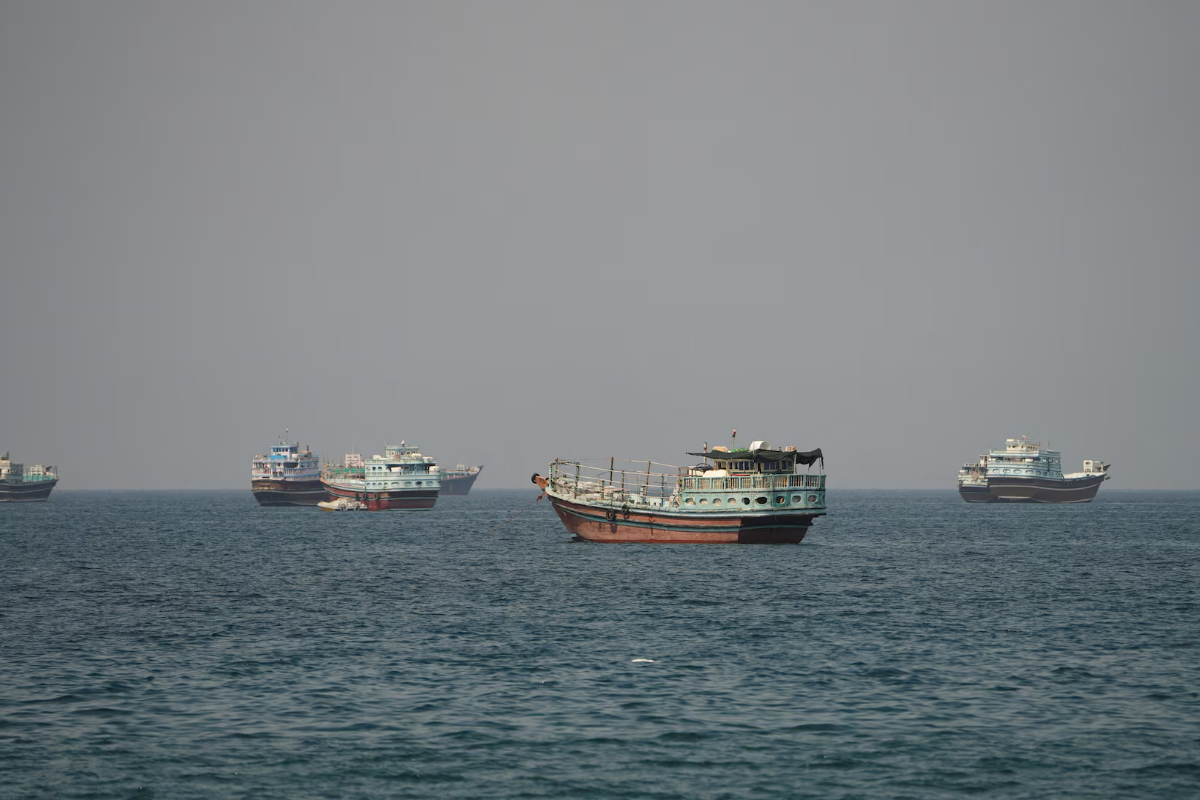
UNITED NATIONS: About 80 countries on Thursday called for the immediate reopening of the Strait of Hormuz and condemned Iran and its Houthi allies over attacks in the region and disruptions to international trade and energy security.
Bahrain’s Foreign Minister Abdullatif bin Rashid Al Zayani read out the joint statement at the United Nations, saying Iran’s actions in the Strait of Hormuz continued to threaten international security and freedom of navigation.
The statement was backed by Gulf Arab states and major Western powers, according to Reuters.
The countries also expressed concern over the situation in Yemen and strongly condemned what they described as the Houthis’ decision to resume the conflict, their continued attacks on Saudi Arabia and their operations in the Red Sea.
The statement warned that any further Houthi advance toward the Bab el-Mandeb Strait would increase risks to international shipping, maritime security and global trade.
The Strait of Hormuz is a key global shipping route, particularly for energy supplies, while the Bab el-Mandeb connects the Red Sea with the Gulf of Aden and is also vital to international maritime trade.

UN fears over 500 dead after two boats sink off Myanmar

UN fears

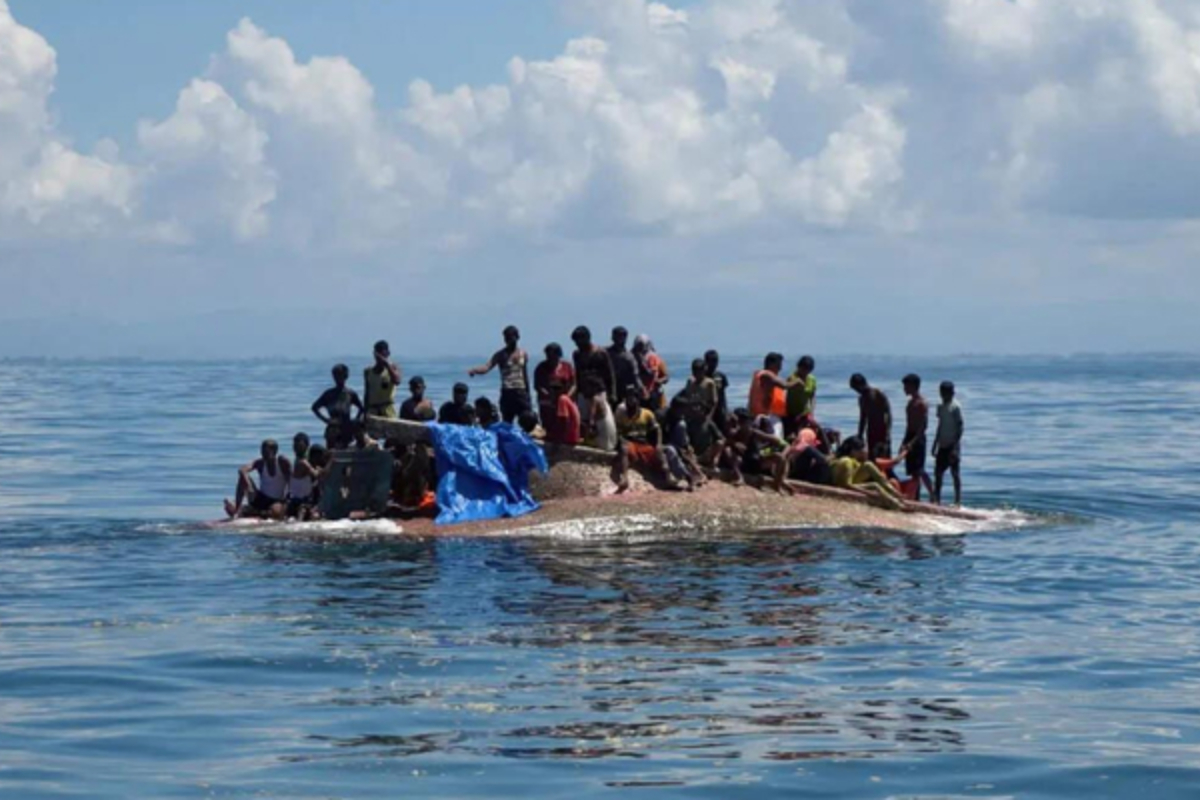
GENEVA: More than 500 people are feared dead after two boats carrying mostly Rohingya refugees reportedly sank off Myanmar’s coast, the United Nations said, warning that the tragedy could rank among the deadliest maritime disasters involving the persecuted minority.

In a joint statement, the International Organization for Migration (IOM) and the U.N. Refugee Agency (UNHCR) said the two vessels, carrying more than 500 people, are believed to have capsized in recent days after departing from Myanmar’s conflict-ravaged Rakhine State in late June. Most of those on board were members of the Rohingya Muslim minority.

The agencies said some passengers had also departed from refugee camps in Cox’s Bazar, Bangladesh, where more than one million Rohingya refugees continue to live in overcrowded and difficult conditions after fleeing violence in Myanmar.

According to preliminary information, one boat carrying about 250 people disappeared shortly after setting sail, while another vessel with around 280 passengers is believed to have sunk near Myanmar’s Ayeyarwady coast on July 8.

The U.N. agencies cautioned that the incidents and the reported death toll have not yet been officially confirmed.

They added that the journeys took place during a particularly dangerous period for sea travel, with seasonal storms, heavy rainfall and flooding significantly increasing the risks faced by migrants attempting the crossing.