BREAKING NEWS
Advertise with us >

ChatGPT, Claude and Grok hit by simultaneous outages

ChatGPT

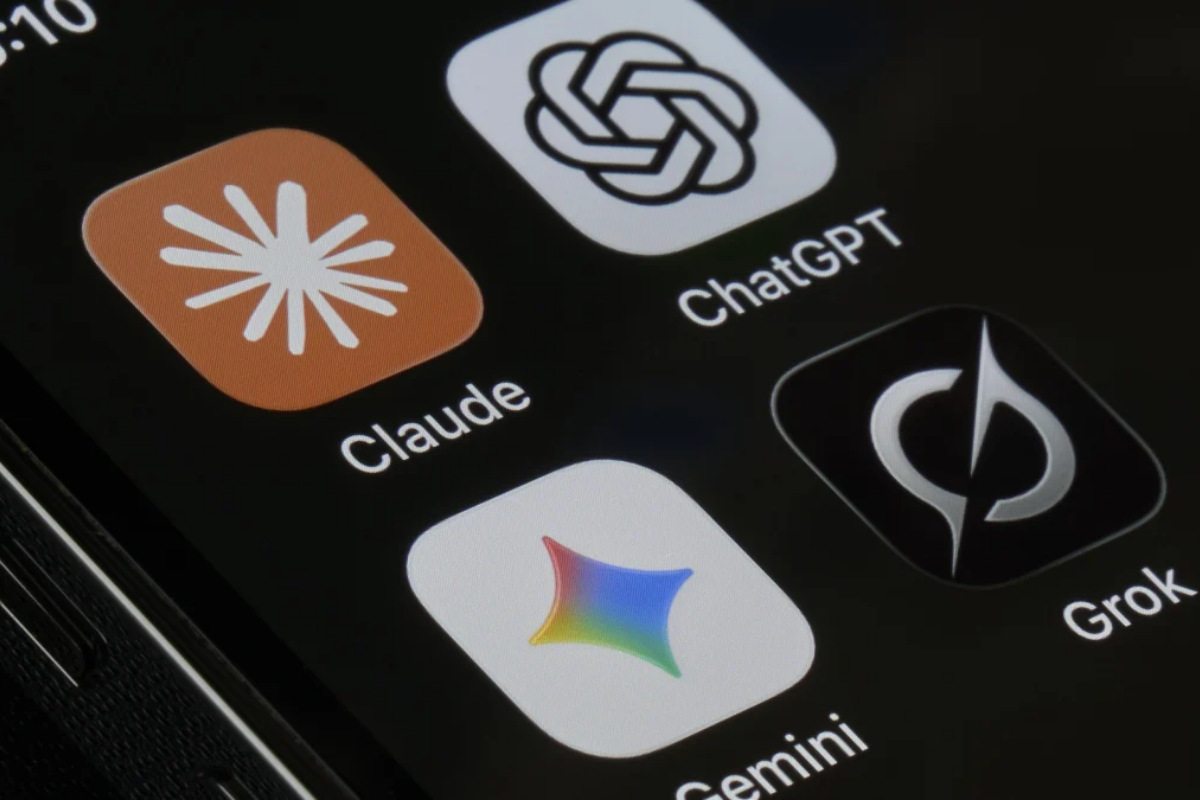
SAN FRANCISCO: Services for several major artificial intelligence models, including OpenAI’s ChatGPT, Anthropic’s Claude and xAI’s Grok, were disrupted simultaneously Thursday, according to outage-monitoring website Downdetector.

The simultaneous outages were unusual because disruptions affecting individual AI services are relatively common, but a breakdown involving several leading models at the same time is less typical, according to a U.S. news website.

Reports also indicated disruptions affecting Google’s Gemini, although Google had not officially confirmed an outage.

Anthropic’s Claude status dashboard reported service disruptions involving its Opus 4.8 and Opus 5 models, while the company said other models had returned to their “baseline error rate.”

OpenAI’s status dashboard showed that ChatGPT and Codex were experiencing elevated error rates. xAI also reported technical problems affecting Grok and said it was working to resolve the issue.

Microsoft Azure, a cloud services platform used by the three AI companies, was also experiencing an outage. The disruption has raised the possibility that an issue affecting Microsoft’s cloud infrastructure could be linked to the simultaneous problems reported across the AI services.

The cause of the widespread disruptions had not been officially confirmed.

How much will Apple pay New CEO John Ternus each year?

How much

John Ternus has officially taken over as Apple’s chief executive, ending Tim Cook’s 15-year tenure as CEO. Cook will now serve as the company’s executive chairman.

Ternus assumed the CEO role on Sept. 1. While his base salary is relatively modest compared with the potential value of his compensation package, his performance-based awards could be worth tens of millions of dollars.

According to a report, Ternus will receive an annual salary of $3 million, along with $2.5 million in prorated restricted stock units.

Documents filed with the U.S. Securities and Exchange Commission show that Ternus could receive up to $55 million from Apple based largely on the company’s stock performance and financial growth.

The potential award will primarily be provided in Apple shares, with the final value depending on how strongly the company’s revenue and performance grow.

Meanwhile, Cook will receive an annual salary of $2 million as executive chairman, along with an equity award valued at $45 million.

Half of Cook’s $45 million equity award will be tied to performance, while the remaining portion will vest over the course of the fiscal year.

WhatsApp introduces passwords to replace 6-digit PIN for two-step verification

WhatsApp

WhatsApp is rolling out a new password-based security feature that will allow users to replace the traditional six-digit PIN used for two-step verification, giving accounts an additional layer of protection against hacking.

The messaging platform currently relies on a six-digit PIN as part of its two-step verification system. Under the new system, users will be able to create passwords containing letters and numbers, making account protection more robust.

WhatsApp said the change is being introduced to strengthen account security. The feature is being rolled out gradually, so it may not be available to all users immediately. More users are expected to gain access to the option over the coming weeks.

Users who already have two-step verification enabled can upgrade their existing PIN to a password once the feature becomes available on their accounts.

To access the feature, open WhatsApp and go to Settings, then select Account and tap Two-step verification.

A new password option will appear for eligible users. Tap the option to create a password and, if desired, add a recovery email address to help regain access to the account.

The new password must contain at least eight characters, including at least one letter or number. Users can also add special characters, although these are optional.

As the feature is being introduced in phases, users who do not see the password option yet may need to wait until the update reaches their account.

Damaged screen protector could compromise phone safety

Damaged screen

Most people use screen protectors to provide an extra layer of protection for their phones. However, experts recommend replacing a screen protector once it becomes significantly damaged or cracked.

Screen protectors are available in different types, including soft films and glass-based protectors. They can become damaged if a phone is dropped from a height or comes into contact with a sharp object in a pocket or bag.

A badly cracked screen protector can develop sharp edges that may cut the user’s fingers while operating the phone.

A severely damaged protector may also leave parts of the phone’s screen exposed, increasing the risk of scratches or other damage. In some cases, cracks can also interfere with the touchscreen’s responsiveness.

For these reasons, experts advise replacing a screen protector once it has sustained significant damage.

Leaving a damaged protector on the phone for an extended period can make it more difficult to remove and may increase the risk of scratches, particularly around the corners of the screen.

When replacing a damaged protector, it should be removed carefully to avoid injury or damage to the underlying display.

Users should first switch off the phone and remove its case. A thin plastic card can then be gently inserted under one corner of the protector to lift it.

Once the protector has been removed, the phone’s screen should be cleaned with a microfiber cloth before installing a new protector.

Hackers target 3 UK airports, data of 8.7m passengers compromised

Hackers target

LONDON: Three major airports in the United Kingdom have been targeted in a cyberattack that compromised data belonging to about 8.7 million passengers, with hackers demanding a ransom, according to British media reports.

Manchester, East Midlands and London Stansted airports, all owned by Manchester Airports Group, were targeted toward the end of last week, according to the company. The compromised information included customers’ contact details, vehicle registration numbers and postcodes.

Manchester Airports Group confirmed to the BBC that the attackers demanded a ransom in exchange for the data but said the company refused to pay. The amount demanded was not disclosed.

The company said passenger safety and aviation security were not compromised at any point. It also said the affected system did not contain customers’ bank account or payment information.

According to the report, data belonging to about 8.7 million customers was affected. Manchester Airports Group said most of the compromised information consisted of email addresses provided by passengers when registering to use free Wi-Fi at the airport terminals.

Apple sets Sept 9 launch date for iPhone 18 series

Apple

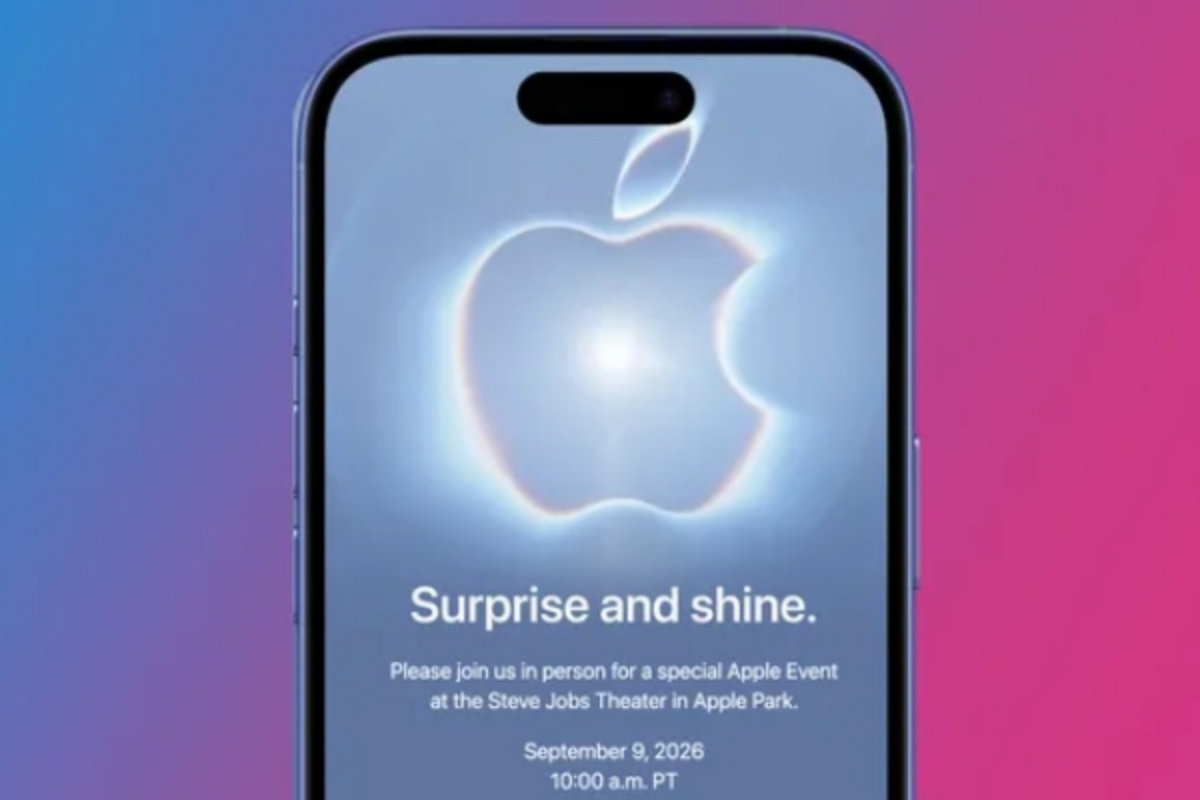
CUPERTINO, Calif.: Apple is set to unveil its iPhone 18 lineup on Septemebr 9, with the company also expected to introduce its first foldable iPhone at the event, according to reports.

The annual launch is being closely watched by consumers worldwide, with Apple expected to showcase several new products alongside its latest smartphones.

The event could also feature the Apple Watch Series 12, Apple Watch Ultra, HomePod mini, iPod and Apple TV, according to reports.

Foldable iPhone expected to debut

A major change this year is expected to be Apple’s approach to launching its iPhone models. According to leaks, the company could unveil the iPhone 18 and iPhone 18 Pro Max alongside its first foldable smartphone, which is reportedly expected to be marketed as the iPhone Ultra.

The standard iPhone 18 and iPhone Air 2, however, are expected to be launched in early 2027.

The foldable model is expected to be Apple’s most expensive iPhone yet, with its price potentially exceeding $2,000.

iPhone 18 Pro prices may rise

Bloomberg has reported that Apple may increase prices for the iPhone 18 Pro lineup.

Apple did not raise the prices of its iPhone 17 series last year, but the latest reports suggest the iPhone 18 Pro could cost about $100 more.

If the reported increase goes ahead, the iPhone 18 Pro could start at around $1,199, compared with $1,099 for its predecessor.

The potential price increase has been attributed to higher costs for RAM and other components, according to the report.

Note: Details about the foldable iPhone, product lineup and pricing are based on reports and leaks and may change before Apple’s official announcement.

WhatsApp introduces three new security features for users

WhatsApp

WhatsApp has introduced three new security features aimed at helping users better protect their accounts from hackers and identify unfamiliar callers.

Meta announced the new features in a blog post, saying the updates are designed to strengthen account security and provide users with greater control over their accounts.

One of the updates improves WhatsApp’s two-step verification system. Instead of relying only on the existing six-digit PIN, users will be able to choose a longer password containing letters and numbers, making it more difficult for hackers to guess.

WhatsApp is also expanding support for passkeys. Users will be able to add more than one passkey to their accounts, a feature that could be particularly useful for people who use both iOS and Android devices.

Passkeys are digital credentials designed to provide a simpler and more secure way to sign in. They can use a device PIN or biometric authentication, such as a fingerprint or facial recognition, instead of requiring users to remember a password.

The third feature is being introduced for Android users and will provide additional information about calls from numbers that are not saved in their contacts. Users may be able to see whether the number is from another country or whether the caller is part of a group they also belong to.

WhatsApp said the rollout of the new security features has already begun and they will become available to all users over the coming weeks.

OpenAI CEO admits people adopting AI more slowly than expected

OpenAI CEO

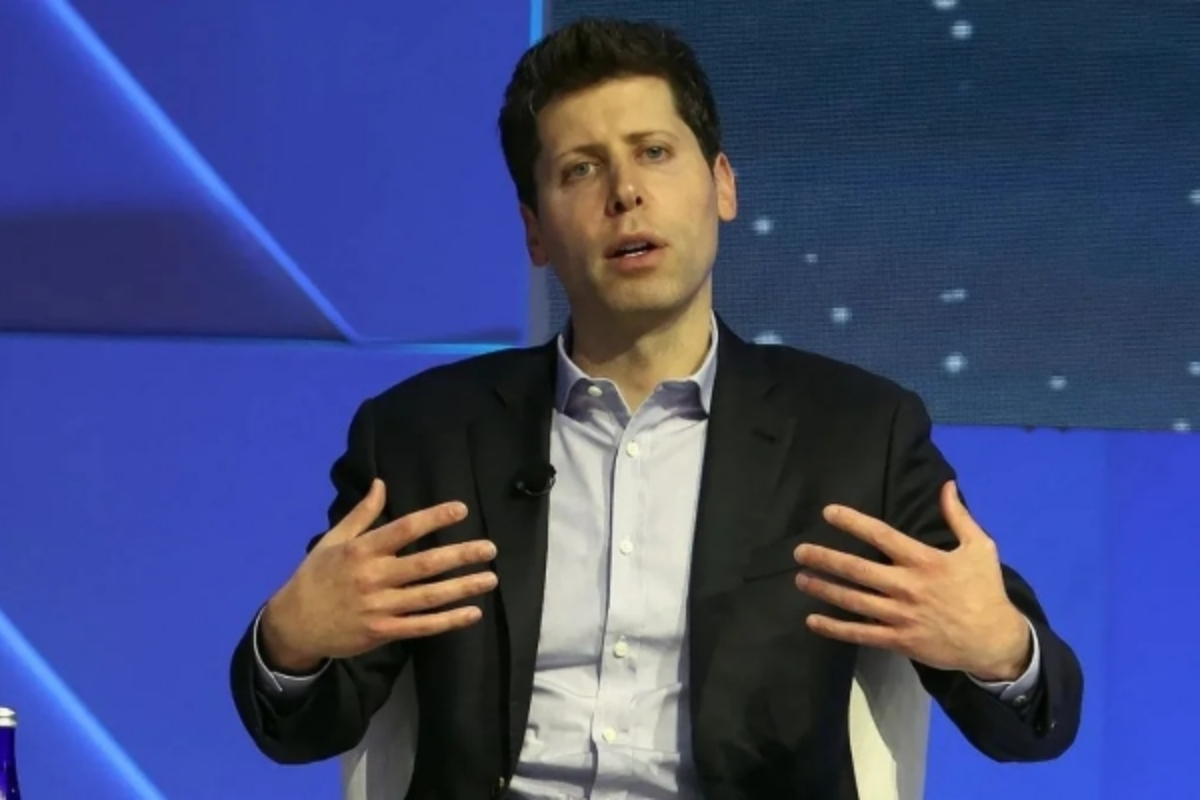
OpenAI CEO Sam Altman has acknowledged that he was wrong about how quickly artificial intelligence would become a central part of the global economy, saying AI adoption has been slower than he initially expected.

In an interview, Altman said it could take longer than anticipated for AI to become deeply integrated into the economy and widely adopted by the public. He suggested that AI could take longer to reach the level of mass adoption seen with technologies such as search engines and smartphones.

Altman said AI tools have become significantly more capable, but people and businesses continue to favor familiar products, systems and habits. Changing established behavior, he said, can be more difficult than developing new technology.

He recalled that after the launch of GPT-4 in 2023, he expected its capabilities to spread much more rapidly. However, he said there remains a significant gap between what AI tools can do and how extensively people actually use them.

Altman also acknowledged that expectations within the AI industry had at times exceeded reality. Concerns over potential job losses, risks to humanity and other issues have contributed to public skepticism about the technology.

Despite AI’s rapid progress, Altman said human workers will remain important. He predicted that AI will gradually outperform people in an increasing number of tasks but argued that the importance of genuine human relationships will not disappear.

How to Earn Money on YouTube: 10 Proven Tips for Beginners in 2026

youtube earn money 2026

Learning how to earn money on YouTube in 2026 starts with one reality: views alone do not build a sustainable creator business. Successful channels combine original content, audience trust, strong packaging and more than one revenue stream.

This guide explains the current YouTube Partner Program (YPP) requirements, YouTube’s announced February 2027 changes and ten practical ways beginners can build revenue without relying on fake CPM promises or shortcuts.

YouTube monetization requirements in 2026

YouTube currently offers two important entry levels in eligible countries and regions. Availability can differ by location, so creators should always check the Earn tab in YouTube Studio for the requirements shown for their channel.

Earlier access to fan-funding features

  • 500 subscribers
  • Three valid public uploads in the previous 90 days
  • Either 3,000 valid public watch hours in the previous 12 months or 3 million valid public Shorts views in the previous 90 days

Where available, this level can unlock features such as channel memberships, Super Chat, Super Stickers, Super Thanks and selected YouTube Shopping features. Each feature has its own eligibility rules.

Full advertising and YouTube Premium revenue

  • 1,000 subscribers
  • Either 4,000 valid public watch hours in the previous 12 months or 10 million valid public Shorts views in the previous 90 days

Meeting a threshold does not guarantee approval. YouTube also reviews the channel for monetization-policy compliance, active Community Guidelines strikes, two-step verification, advanced-feature access and an active AdSense for YouTube account.

What changes on February 1, 2027?

YouTube has officially announced higher thresholds for new applicants seeking advertising and YouTube Premium revenue from February 1, 2027. The new view requirements will be 8,000 qualified public watch hours in 365 days or 20 million qualified Shorts views in 90 days, alongside the applicable subscriber and policy requirements.

YouTube says creators who are already in YPP will not lose their monetization status because of the new thresholds. Existing creators must, however, accept the updated terms by January 31, 2027. The earlier fan-funding threshold remains unchanged under the announcement.

Important: valid public watch hours generally come from public long-form videos. Watch time from private, unlisted or deleted videos, advertising campaigns and Shorts viewed in the Shorts Feed does not count toward the long-form watch-hour threshold. Use YouTube Studio—not third-party calculators—as the source of truth.

How to earn money on YouTube: 10 proven methods

1. Choose one clear audience and channel promise

A channel grows faster when viewers immediately understand who it serves and what they will learn or experience. Instead of covering technology, finance, travel and entertainment on the same new channel, choose one primary audience and build repeatable series around its problems.

A useful positioning formula is: “I help [specific audience] achieve [specific outcome] through [content format].” This gives both viewers and YouTube a clearer picture of your channel.

2. Create original content with visible experience

Do not build a channel by simply reading articles, re-uploading clips or producing mass-generated videos with no added value. Demonstrations, case studies, interviews, field reporting, tests and personal experience create stronger trust and make the content harder to copy.

AI can support research, transcripts or production, but the creator remains responsible for accuracy, rights and required disclosures. Human judgement is the moat.

3. Build videos around real search intent

Begin with questions people genuinely ask. YouTube autocomplete, the Research area in YouTube Analytics, viewer comments and competitor comment sections can reveal demand. Make each video satisfy one clear intent: learn, compare, solve, decide or be entertained.

Use the main phrase naturally in the title, opening, description and spoken content. Avoid keyword stuffing. A useful answer with strong viewer satisfaction beats a mechanically optimized script.

4. Improve titles and thumbnails as one package

The title should communicate the outcome while the thumbnail creates a clear visual reason to click. They should complement each other instead of repeating the same words. Keep mobile readability in mind, avoid misleading claims and test alternative packaging when a strong video receives impressions but a weak click-through rate.

5. Win the first 30 seconds

Remove long logos, greetings and unrelated background. Confirm the promise quickly, show what the viewer will receive and move into the value. In YouTube Analytics, study audience-retention drops and rewrite future openings around what viewers actually do—not what creators assume they do.

6. Use Shorts to support long-form content

Shorts can introduce your channel to new viewers, while long-form videos can build deeper trust and eligible public watch hours. Create Shorts from the same topic cluster and use YouTube’s related-video feature where available to direct interested viewers to a full tutorial, review or documentary.

Shorts and long-form monetization operate differently. Compare formats using revenue per thousand views, returning viewers, subscribers gained and business outcomes—not views alone.

7. Add memberships and Supers when the audience is ready

Memberships, Super Chat, Super Stickers and Super Thanks can turn loyal viewers into direct supporters where these features are available. Offer realistic benefits such as members-only live sessions, behind-the-scenes updates, early access or downloadable resources. Do not promise benefits you cannot consistently deliver.

8. Use affiliate marketing transparently

Affiliate income can work before a channel earns meaningful advertising revenue. Recommend products you understand, demonstrate real use and disclose that you may earn a commission. Tutorials, comparisons and “who is this for?” videos usually create more useful buying context than generic product lists.

FutureSoch explains its approach in the Affiliate Disclosure. Creators should also follow local law, platform rules and the affiliate programme’s terms.

9. Sell sponsorships based on audience fit

Brands care about relevance, credibility and outcomes. A smaller channel with a clearly defined professional audience can be more useful than a large channel with weak alignment. Prepare a short media kit covering audience geography, demographics, average views, past results and available integrations.

Sponsored segments should be clearly disclosed. FutureSoch’s Sponsored Content and Advertising Policy provides a useful transparency reference.

10. Build revenue beyond the platform

Advertising revenue changes with geography, season, niche, advertiser demand and viewer behaviour. There is no honest universal CPM promise. Strong creators reduce risk by combining YouTube revenue with services, consulting, digital products, courses, licensing, events, affiliate income or an email list—only where these offers genuinely help their audience.

RPM versus CPM: what should creators track?

CPM represents what advertisers pay for one thousand ad impressions before YouTube’s revenue share and other adjustments. RPM estimates what the creator earns per one thousand views after revenue share and can include several YouTube revenue sources. RPM is therefore more useful for understanding channel-level income, but neither metric should be treated as guaranteed future earnings.

Track revenue alongside returning viewers, average view duration, watch time, click-through rate and conversions. The best content strategy is the one that serves viewers and supports a sustainable business.

How to earn money on YouTube: a practical 90-day plan

  1. Weeks 1–2: define one audience, review 30 real questions and plan three repeatable series.
  2. Weeks 3–6: publish at a sustainable pace and improve one production variable at a time: hook, audio, thumbnail or structure.
  3. Weeks 7–10: use retention and traffic-source data to identify the strongest topics; update weak titles and thumbnails without misleading viewers.
  4. Weeks 11–13: create follow-up videos around proven topics, add relevant affiliate or service offers and build a simple media kit.

If you are comparing platforms before choosing a publishing strategy, read FutureSoch’s Bilibili vs YouTube creator guide.

Final takeaway

The safest way to earn money on YouTube is not a shortcut. Build an identifiable audience, publish original work, improve from analytics and diversify revenue responsibly. Check YouTube Studio regularly because eligibility, feature availability and policies can change.

Official YouTube sources

Bilibili vs. YouTube: A Creator’s Guide to Monetization and Audience in the West

Bilibili vs. YouTube

Bilibili vs YouTube in 2026 is not a simple choice between two identical video platforms. YouTube offers a globally documented creator ecosystem, while Bilibili remains a China-centred video community whose multilingual app is becoming easier to access internationally.

For Western and international creators, the practical question is not “Which platform pays more?” It is whether your audience, language, rights, payment eligibility and content style fit each platform. This guide separates verified facts from expansion hype.

Bilibili vs YouTube: quick verdict

YouTube should remain the primary platform for most creators seeking a broad international audience. Its monetization rules, analytics, advertising products and creator support are documented across many countries and regions.

Bilibili can be a useful secondary experiment for creators with Chinese-language capability, anime, gaming, technology, education or culture content. However, installing an English-language app does not automatically mean every international creator can access the same distribution, payment and monetization features as a domestic Bilibili creator.

AreaYouTubeBilibili
Core positionGlobal general-purpose video platformChina-centred video community with multilingual app access
Audience interactionComments, live chat, Community posts, memberships and SupersDanmu or bullet comments, comments, live interaction and community culture
Creator monetizationPublicly documented YPP eligibility and revenue modulesFeature and payment access can depend on account, region and product eligibility
DiscoverySearch, recommendations, Shorts, subscriptions and external discoveryRecommendations, community categories, search and interest-led viewing
Best use for international creatorsPrimary publishing and business platformCarefully tested secondary distribution channel

What Bilibili officially says about its audience

Bilibili’s investor information describes the company as a leading video community for young generations in China. Its stated mission is to enrich the everyday lives of young generations in China, while its broader vision includes bringing original Chinese content to audiences worldwide.

The company’s investor homepage reported 376 million monthly active users, 117 million daily active users, 35 million monthly paying users and 112 minutes of average daily time spent for the third quarter of 2025. These are major scale indicators, but they should not be presented as evidence that the platform already offers YouTube-equivalent reach in the United States or United Kingdom.

As of August 2026, Bilibili’s official US App Store listing is available in English and 12 additional languages. The listing promotes videos, community features, anime, gaming, technology content, danmu comments and AI dubbing. This confirms broader app accessibility; it does not by itself confirm a universal Western creator monetization programme.

How YouTube monetization works

YouTube publishes detailed eligibility requirements through its Help Center. In eligible countries and regions, earlier access to fan-funding features can begin at 500 subscribers, three valid public uploads in 90 days and either 3,000 valid public watch hours in 12 months or 3 million valid public Shorts views in 90 days.

Full advertising and YouTube Premium revenue currently requires 1,000 subscribers plus either 4,000 valid public watch hours in 12 months or 10 million valid public Shorts views in 90 days. YouTube has announced that new applicants for ad and Premium revenue will face higher view thresholds from February 1, 2027: 8,000 qualified public watch hours or 20 million qualified Shorts views.

Creators already in YPP will not lose their status simply because of the new thresholds, although updated terms must be accepted by the stated deadline. Thresholds are only one part of approval; policy compliance and channel review still apply.

For a complete breakdown, read FutureSoch’s verified guide on how creators can earn money on YouTube in 2026.

Bilibili vs YouTube monetization: key differences

Bilibili’s corporate revenue model includes value-added services, advertising, mobile games and intellectual-property derivatives and other products. At the creator level, the platform is associated with live-streaming income, fan support, commercial partnerships, advertising-related opportunities and creator programmes. However, availability and onboarding rules can differ across products and regions.

That makes a universal “Bilibili CPM” or guaranteed income table misleading. Before investing in localisation or republishing, an international creator should verify inside the actual account:

  • Whether creator registration is available in the creator’s country
  • Identity-verification and tax-document requirements
  • Supported payout methods and currencies
  • Which monetization tools are enabled for that account
  • Music, footage, anime and other licensing restrictions
  • Language, moderation and community-rule requirements

Danmu versus YouTube comments

Bilibili is strongly associated with danmu, also called bullet comments. Viewer messages can appear across the video while it plays, creating the feeling of watching with a crowd. This interaction style can be powerful for fandom, gaming, animation, entertainment and communal viewing.

YouTube uses a more familiar combination of comments, live chat, Community posts and memberships. It also provides broad search visibility and a mature ecosystem for long-form video, Shorts, podcasts and live streams. Neither approach is automatically superior; the better platform depends on how the audience wants to participate.

Should Western creators publish on Bilibili?

Yes—but as a measured pilot, not a blind migration. A sensible test is to localise three to five videos with accurate titles, captions and culturally appropriate context. Track completion rate, follower growth, comments, repeat viewing and any verified monetization access.

Do not simply mirror an entire YouTube library. Music, stock footage, sponsor agreements and territorial licences may allow YouTube distribution but not reuse on every other platform. Creators also need a plan for responding to another language community and correcting translated captions.

A low-risk two-platform strategy

  1. Keep YouTube as the primary archive: build searchable, evergreen videos and a consistent channel identity.
  2. Select Bilibili-friendly topics: prioritise content with clear relevance to gaming, anime, technology, education or cross-cultural audiences.
  3. Localise rather than copy: rewrite titles and descriptions, add accurate subtitles and explain unfamiliar references.
  4. Verify rights and account eligibility: confirm that every reused asset and commercial integration is permitted.
  5. Measure the pilot: continue only if the platform produces meaningful audience growth or business value.

Final comparison

In the Bilibili vs YouTube decision, YouTube currently provides the clearer route for international audience growth and documented creator monetization. Bilibili offers a distinctive community experience and substantial scale in China, while its multilingual app creates new possibilities for experimentation.

The smart move is not to chase an “untapped platform” headline. Build where your audience already exists, test expansion with evidence and never assume app availability equals guaranteed creator income.

Official sources