BREAKING NEWS
Advertise with us >

AI Set to Transform Global Trade — What It Means for Pakistan and the World

Global Trade 2025, AI in Trade, WTO Report, Pakistan Economy, Future Soch World News


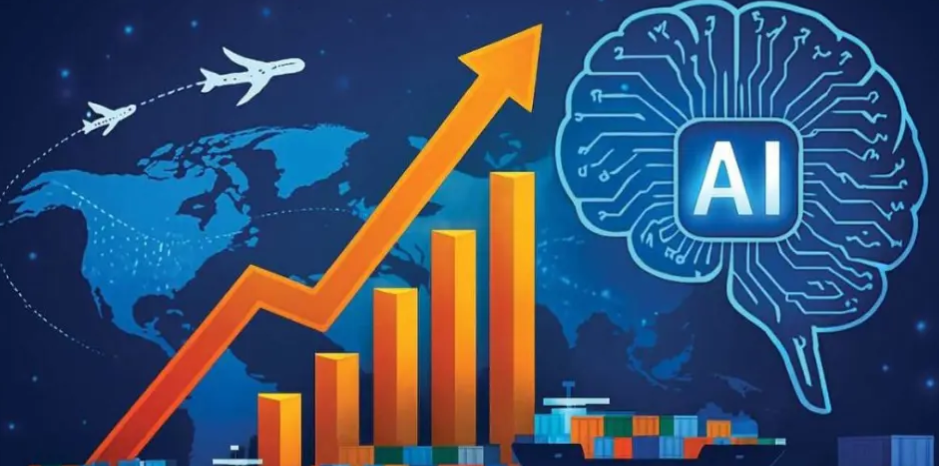
A landmark World Trade Organization report warns that artificial intelligence could boost global trade by up to 37% by 2040, but only if countries invest in skills, infrastructure and inclusive policies. Reuters


A New Era in Global Commerce

Artificial Intelligence isn’t just reshaping software and services — it’s poised to change how goods and services move across borders. According to the WTO’s latest report, AI-driven logistics, translation tools, regulatory compliance and virtual trade interfaces could increase global trade by 34-37% by 2040. Reuters

That means an economy that currently just ships raw materials or low-value goods will need to rethink everything: supply chains, workforce skills, policy frameworks and trade relationships. For countries like Pakistan, which sit between emerging and established trade routes, this shift is both an opportunity and a threat.


What the Report Finds

  • AI-powered translation and communication tools will lower trade costs: small producers in low-income countries could see export growth of up to 11%. Reuters
  • But the benefits won’t be automatic. The report warns that without proper investment in digital infrastructure, training and regulatory reforms, AI could widen inequalities across economies. Reuters
  • The new trade competitive edge will come from combining tech adoption with skilled labour, strong institutions and open connectivity — not just cheap labour or raw resource exports.

Why Pakistan Should Care

For Pakistan’s economy, the implications are significant.

  • Pakistan’s exporters (textiles, agriculture, small manufacturing) must prepare for a world where digital proficiency matters more than just cost.
  • Investing in data-networks, coders, translators and tech-savvy logistics could help Pakistan’s SMEs tap into global value chains.
  • But if Pakistan misses the tech train, the country may be stuck exporting low-value goods in a world moving to high-value digital trade.

If Pakistan’s government, industry and educational institutions align — focusing on digital inclusion, AI training and infrastructure — then the country stands to gain. Otherwise, the global trade expansion driven by AI might largely bypass places that aren’t ready.


Global Impacts: Winners and Losers

The AI-trade boom isn’t just about more goods — it’s about smarter goods, services and connections. Technology will enable:

  • More flexible supply chains, quicker adaptation to market changes
  • Small exporters in remote regions to reach global buyers directly
  • Countries to leapfrog traditional manufacturing models

But there are risks:

  • Countries lagging in infrastructure or education may find themselves left behind
  • Geopolitical pressures and protectionism may interfere with open trade
  • The shift in trade value patterns may up-end current economic models in many developing countries

What This Means for the Reader

  • Business readers should watch for how AI tools reshape exports, logistics and value chains.
  • Policy readers should consider how their educational systems and trade regulations can adapt.
  • Everyday readers should ask: how will global trade changes affect jobs, prices and economic growth in their region?

Pakistan’s Digital Boom: TikTok, YouTube & 66 Million-Plus Users in 2025

Pakistan Digital 2025, TikTok Pakistan, YouTube Pakistan, Creator Economy, Future Soch


With 116 million internet users and 66 million active TikTok accounts, Pakistan has become one of the fastest-growing digital markets in the world — reshaping content, communication, and creativity.


Pakistan’s Digital Revolution Is Real

In early 2025, Pakistan officially crossed a milestone: over 116 million internet users, representing nearly 45 percent of the population, according to DataReportal’s Digital 2025 Pakistan report.

Once considered a low-connectivity country, Pakistan now ranks among Asia’s fastest-expanding digital economies. The explosion of affordable smartphones, cheap data packages, and a thriving creator ecosystem has transformed how people consume news, entertainment, and education.

From remote villages in Sindh to urban tech hubs in Karachi and Lahore, digital access is now mainstream — a reality no business, journalist, or policymaker can afford to ignore.


TikTok, YouTube & Instagram Rule the Screens

The numbers tell the story. TikTok alone had 66.9 million users aged 18 and above at the start of 2025. YouTube remains close behind, with over 70 percent of Pakistani internet users watching videos daily.

Short-form content has become the heartbeat of Pakistan’s online life — not just for fun, but for learning, commerce, and activism.

Creators like Kanwal Aftab, Rabeeca Khan, and Laraib Khan reach millions weekly, while hundreds of micro-influencers now earn livelihoods through digital platforms. Meanwhile, YouTube channels focusing on news, reviews, and social issues are seeing unprecedented engagement.

The message is clear: Pakistan’s digital audience is massive, young, and hungry for local stories told in modern formats.


The Creator Economy Is Booming

With brands shifting ad budgets from TV to social media, Pakistan’s creator economy is entering a golden age. Influencers, digital agencies, and small content studios are earning through ads, brand partnerships, and cross-platform monetization.

A Meta-commissioned report found that digital advertising in Pakistan is expected to surpass USD 500 million by 2026 — driven mainly by social video and e-commerce integrations.

The growing trend of TikTok Shops and Instagram Reels commerce has blurred the line between entertainment and entrepreneurship. Even small-town sellers now reach global customers directly through short videos.

Pakistan Digital 2025, TikTok Pakistan, YouTube Pakistan, Creator Economy, Future Soch

How Global Platforms View Pakistan

International tech giants are taking notice. TikTok has expanded its creator-training programs in Pakistan, while YouTube’s Partner Program has welcomed a surge of new monetized channels from the country.

LinkedIn reports a rise in digital marketing and content-creation skills among Pakistani professionals, while Google continues to expand initiatives under Google for Startups Pakistan.

Pakistan’s youth — over 60 percent of the population under 30 — is the driving force behind this transformation. The combination of creativity, connectivity, and entrepreneurship is positioning the country as a South-Asian digital powerhouse.


What It Means for Businesses & Media

For brands and publishers, the message is clear: if you’re not digital, you’re invisible.
Search behavior has shifted from keywords to conversations — users now search for videos, reviews, and stories rather than static text.

Companies that understand how to use SEO, social signals, and video storytelling together will lead Pakistan’s digital decade.
Even traditional media outlets are transforming, launching podcasts, YouTube shows, and influencer collaborations to remain relevant.

As the Future Soch Digital Report 2025 will soon explore — this new wave of internet adoption is not just about connectivity, but about cultural reinvention.

ADB formulates comprehensive ‘Glaciers to Farms’ strategy for Pakistan

ADB formulates

ISLAMABAD: The Asian Development Bank (ADB) has unveiled a detailed strategy focused on strengthening Pakistan’s water, agriculture, and energy sectors against the growing threats posed by climate change.

According to the ADB, under the “Glaciers to Farms Program,” a detailed report will be prepared to assess the economic and environmental impacts of glacier melt in the region.

The program will also include strategic planning to mitigate climate-related damages, ensuring the sustainability of Pakistan’s water resources, agricultural productivity, and energy systems.

The ADB stated that global experts have been consulted for recommendations on glacier management and climate resilience.

These proposals will be reviewed at the upcoming International Convention of the East Asian Economic Association, scheduled to be held in the Philippines from November 8 to 9.

According to sources, the initiative is expected to serve as a key policy framework for promoting efficient water use, modern irrigation systems, and enhanced climate adaptation strategies in Pakistan.

Earlier, Pakistan’s economy is projected to grow by just 3% in the current fiscal year, making it the second slowest-growing economy in South Asia after Afghanistan, according to a new comparative report by the Asian Development Bank (ADB).

The ADB report forecasts overall economic growth in South Asia to reach 6% this fiscal year. India is expected to lead the region with 6.5% growth, followed by Bhutan at 6%, Bangladesh at 5%, the Maldives at 4.9%, and Sri Lanka at 3.3%. Nepal is also projected to grow by 3%, while Afghanistan will post the lowest growth rate at 1.7%.

Five German climbers killed in avalanche in Italy

Five German

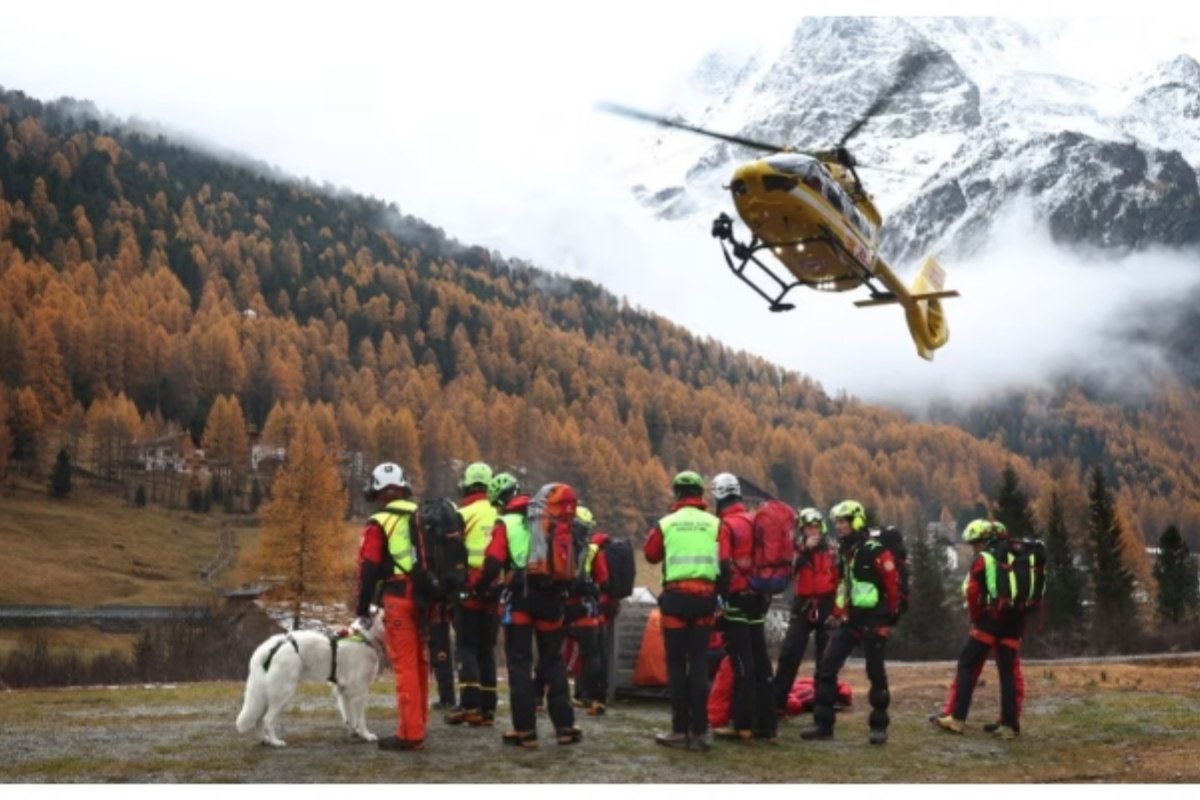
ROME: At least five German climbers were killed after being caught in avalanches in Italy’s northern South Tyrol province, authorities confirmed on Monday.

According to British media reports, the bodies of all five victims have been recovered in two separate incidents.

Rescue officials said one of the victims was a female mountaineer, whose father also died in the same accident.

Reports indicate that the climbers were traveling in separate groups when disaster struck. One group of three climbers was completely swept away by the avalanche, leaving no survivors.

Those who managed to escape immediately raised the alarm, prompting a large-scale search and rescue operation in the snow-covered Alpine region.

Kenya’s Kipruto wins thrilling New York Marathon in photo finish

Kenya’s Kipruto

NEW YORK: Kenya’s Albert Kipruto clinched a nail-biting victory at the New York Marathon, edging out fellow Kenyan Alexander Mutiso by just one second in a dramatic photo finish.

Kipruto crossed the finish line in 2 hours, 8 minutes, and 9 seconds, while Mutiso finished just behind him in 2:08:10, making it one of the closest finishes in recent marathon history.

In the women’s category, Kenya’s Hellen Obiri delivered an exceptional performance, winning the race with a record time of 2 hours, 19 minutes, and 51 seconds.

More than 50,000 runners participated in the 42-kilometer event, including over 20 Pakistani athletes. Among them, Sarah Tahoor made Pakistan proud by completing the marathon in 3 hours and 34 minutes, earning the prestigious Six Star Finisher title.

Sindh Rangers apprehend three wanted terrorists from Karachi

Sindh Rangers

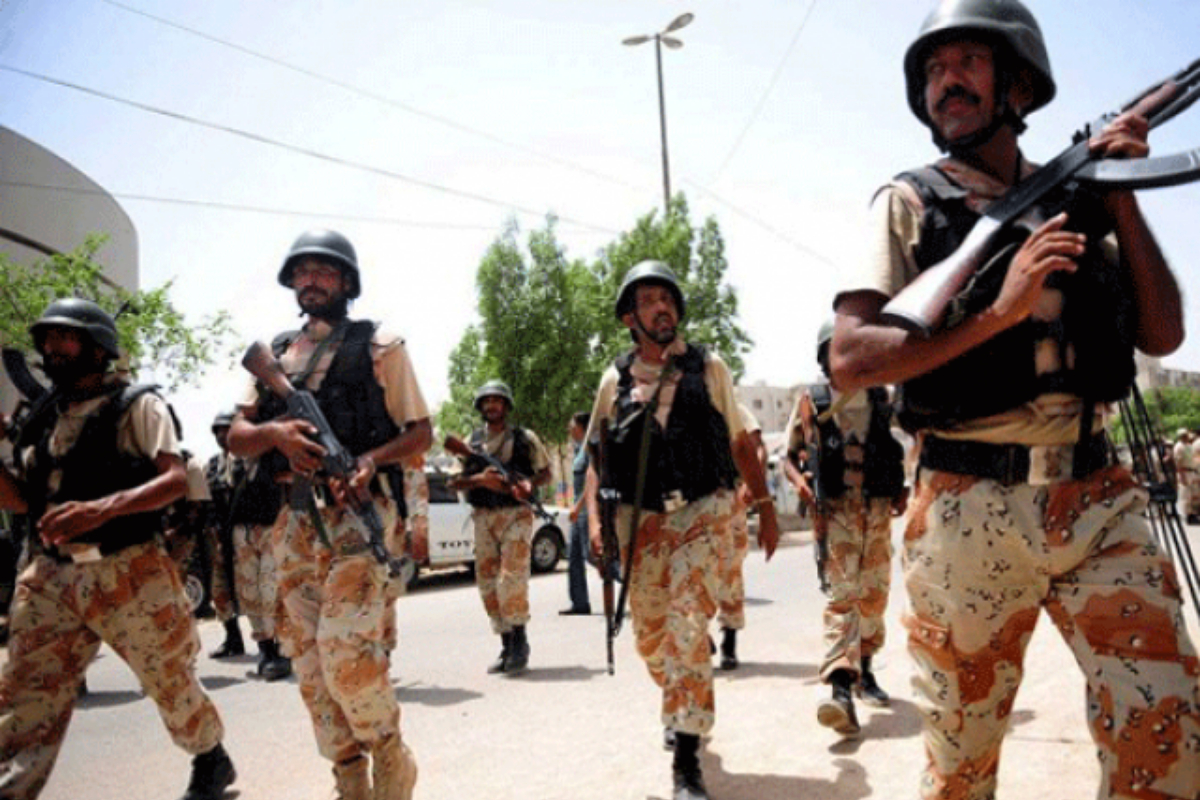
KARACHI: Sindh Rangers carried out an intelligence-based operation in Karachi’s Manghopir Road area of Kunwari Colony, arresting three most-wanted terrorists associated with the banned militant group Fitna al-Khawarij.

According to a Rangers spokesperson, the arrested suspects have been identified as Zaidullah alias Zaido, Noor Zada, and Hazrat Usman.

Rangers officials said the detainees were close associates of Shams al-Qayyum alias Zawil alias Zafran, a key leader of the Khawarij network. During interrogation, the suspects confessed to providing local residents’ phone numbers to Shams al-Qayyum, who then used the contacts to make extortion calls.

The spokesperson added that the accused also admitted their involvement in extortion and land-grabbing activities.

It was further revealed that the brothers of Noor Zada and Hazrat Usman had previously been killed while working within the same militant network.

Officials confirmed that Zaidullah alias Zaido was also wanted by the Korangi Excise Police and the Anti-Narcotics Force (ANF). The arrested suspects have been handed over to the police for further legal proceedings.

7 dead, 150 injured as powerful earthquake strikes Afghanistan

7 dead

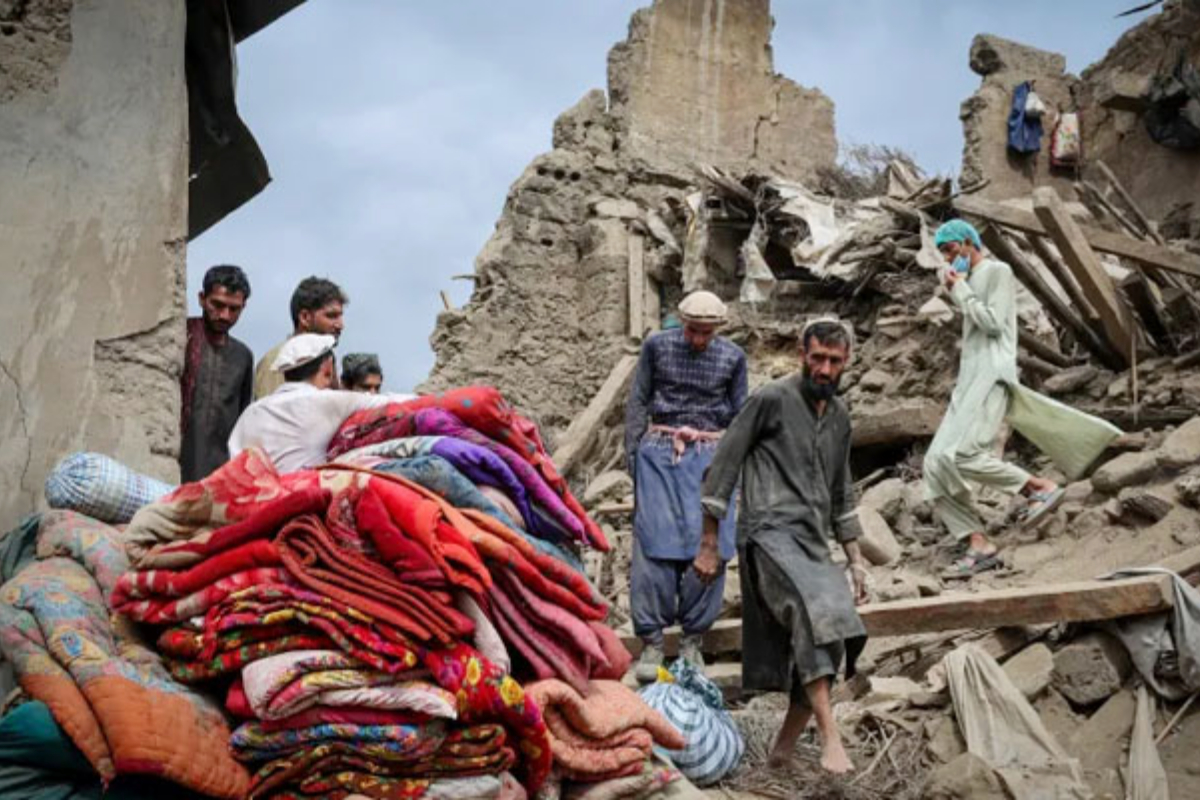
KABUL: A powerful earthquake jolted Afghanistan’s Hindu Kush region late Monday night, with tremors felt across several cities including Mazar-e-Sharif, causing panic among residents and significant structural damage.

According to international news agencies, at least seven people were killed and 150 injured in various incidents linked to the quake. Officials have warned that the death toll may rise as rescue operations continue.

The U.S. Geological Survey (USGS) reported that the earthquake measured 6.3 in magnitude at a depth of 28 kilometers, with its epicenter located about 22 kilometers southwest of Khulm district in Samangan province.

Residents of Mazar-e-Sharif described scenes of fear and chaos as people rushed out of their homes in the middle of the night, fearing building collapses, AFP reported.

Tremors were also felt in Turkmenistan, Tajikistan, Uzbekistan, and Iran, according to regional reports.

It is worth noting that Afghanistan has faced several devastating earthquakes in recent years. On August 31, 2025, a 6.0 magnitude quake killed more than 2,000 people, while in 2023, a series of 6.3 magnitude quakes and aftershocks claimed at least 4,000 lives.

MDCAT Results: Karachi candidates claim majority of top spots

MDCAT Results

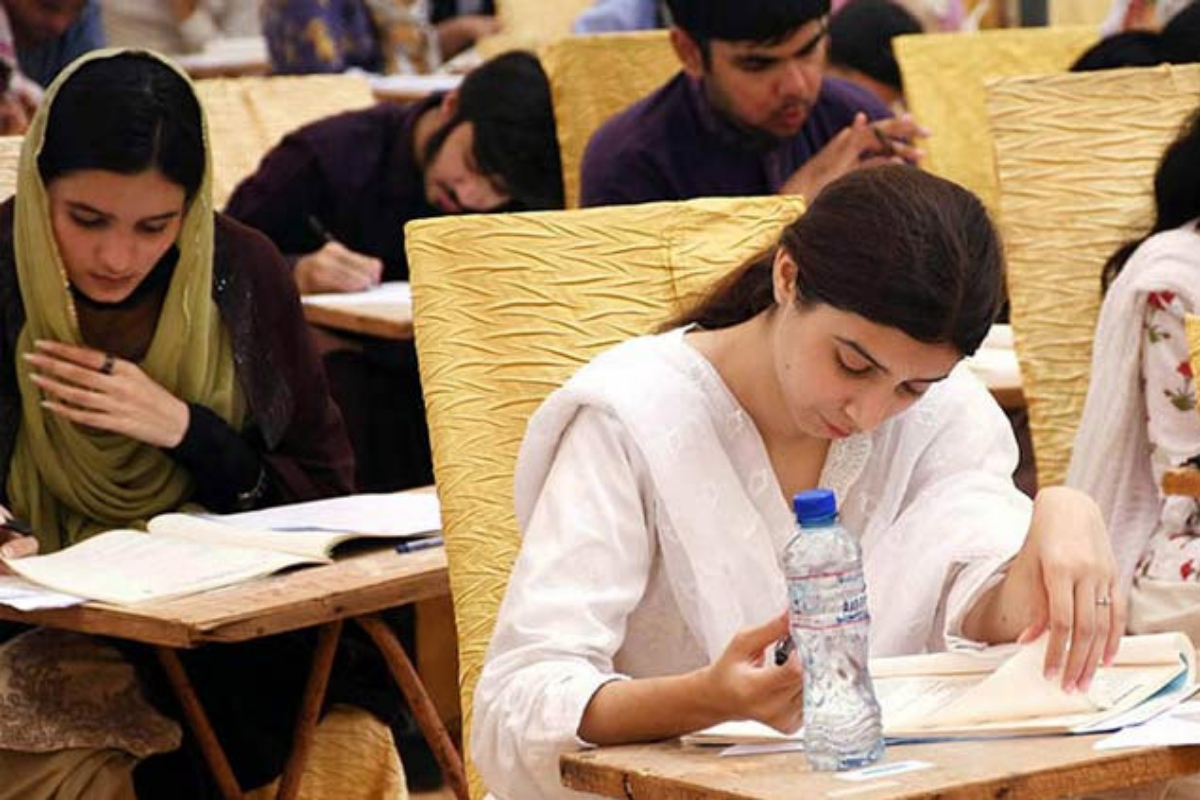
KARACHI: The final results of the Medical and Dental College Admission Test (MDCAT) have been officially announced, marking the conclusion of this year’s admissions process for government medical and dental colleges across Sindh.

According to the CEO of STS, the provisional results have been declared final, as no errors were found during the verification process.

This year, a total of 32,424 candidates appeared in the MDCAT examination. The passing criteria were set at 55% marks for MBBS and 50% marks for BDS programs.

Students from Karachi outperformed candidates from other districts, securing the top positions. Across Sindh, 14,300 candidates obtained 55% marks or above, while 17,123 candidates scored 50% or higher.

In the IBA Sukkur-conducted MDCAT 2025, Karachi students dominated the merit list, claiming the top three positions.

Among the top 124 candidates, 41 belonged to Karachi, reflecting the city’s strong academic performance in this year’s medical entrance test.

Travel 2025: Top Eco-Friendly Destinations for Pakistani Tourists

Eco Travel, Green Tourism, Pakistan Lifestyle, Sustainable Destinations, Travel 2025


With sustainability becoming a global travel trend, more Pakistanis are exploring destinations that combine adventure with environmental responsibility.


The post-pandemic travel wave in Pakistan is evolving into something deeper — conscious travel. In 2025, Pakistani tourists are increasingly choosing eco-friendly destinations, guided by sustainability, culture, and local experience rather than luxury alone.

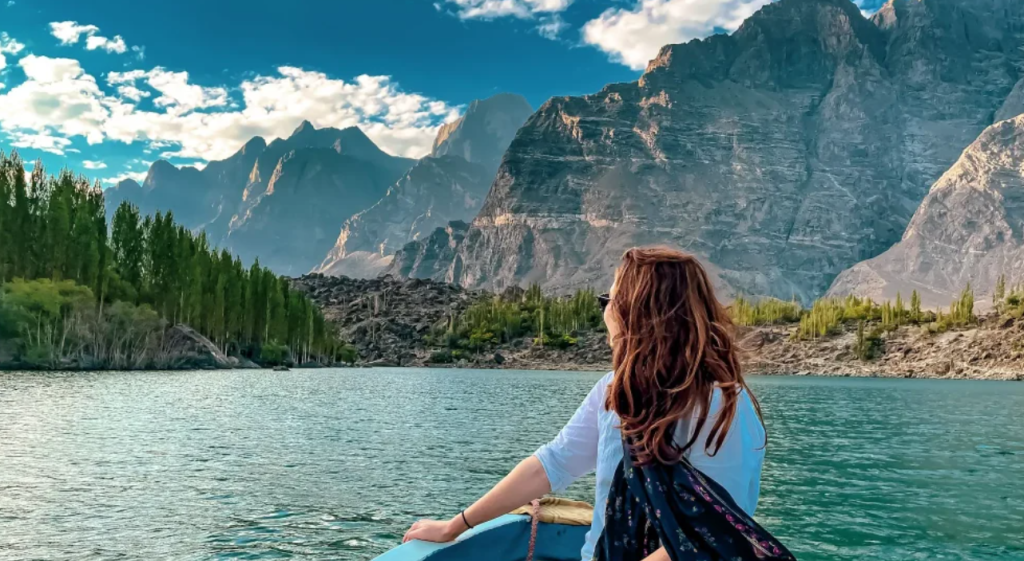
Northern Pakistan remains the top choice, but travelers are now opting for eco-lodges in Hunza, solar-powered guesthouses in Skardu, and community-run stays in Gilgit-Baltistan. These small, sustainable accommodations minimize environmental impact while boosting local economies. “It feels good to travel where your money helps people and nature,” says Rafia Aslam, an environmentalist from Lahore.

Globally, Pakistanis are also discovering eco-conscious international destinations like Bali, Bhutan, and Turkey, where plastic-free tourism and clean-energy transport are setting new standards. With climate awareness growing, many Pakistani travel influencers are promoting sustainable itineraries — using hashtags like #GreenTravelPakistan and #EcoTour2025.

Experts believe eco-tourism could play a vital role in preserving Pakistan’s fragile ecosystems. Government-led initiatives such as the “Clean Green Pakistan Movement” are already pushing for waste-free tourism zones and plastic bans in major valleys.

As one tour operator puts it: “Traveling green isn’t just a choice anymore — it’s the future of tourism.”

Fashion Meets Tech: How Smart Wearables Are Redefining Pakistani Style

Fashion Tech, Smart Wearables, Pakistan Lifestyle, Innovation, 2025 Trends


From fitness bands to AI-powered watches, Pakistan’s fashion scene is evolving as technology merges with everyday accessories, bringing a new era of functional style.


Fashion and technology are no longer separate worlds — and Pakistan’s urban youth are proving it. In 2025, the trend of smart wearables is reshaping how people define personal style. Fitness trackers, smartwatches, and even sensor-embedded clothing are now part of the country’s fast-changing fashion landscape.

Fashion Tech, Smart Wearables, Pakistan Lifestyle, Innovation, 2025 Trends

Brands such as Samsung, Xiaomi, and Fitbit have seen rising sales in Pakistan, while local designers are experimenting with digital fabrics and tech-inspired aesthetics. “Wearables are now about identity,” says Karachi-based designer Sadaf Riaz. “They’re not just gadgets — they’re expressions of lifestyle and innovation.”

The growing popularity of fitness apps, step counters, and heart-rate monitors has also made tech accessories a part of wellness culture. With rising health awareness among millennials and Gen Z, these devices symbolize discipline, productivity, and smart living.

Fashion Tech, Smart Wearables, Pakistan Lifestyle, Innovation, 2025 Trends

Experts believe the next phase will bring locally manufactured wearables — affordable, stylish, and tuned to Pakistan’s consumer needs. As fashion and functionality converge, the country’s design industry is quietly entering the global conversation about tech couture.