BREAKING NEWS
Advertise with us >

Global Tech Trends 2025: What Pakistan’s Digital Economy Can Learn

Global Tech, AI, Digital Economy, Fintech, Innovation 2025


From AI governance to green computing, the world’s biggest tech trends of 2025 offer a roadmap for how Pakistan can accelerate its digital transformation.


The year 2025 is defining a new global tech era — one shaped by artificial intelligence, climate tech, and data-driven innovation. Across the U.S., Europe, and Asia, companies are investing billions in technologies that make economies smarter, faster, and more sustainable. For Pakistan, these shifts present valuable lessons and opportunities for growth.

Industry analysts highlight five global trends that Pakistan’s digital economy must align with:


1️⃣ AI for Public Sector Efficiency – Governments worldwide are adopting AI to streamline services and policymaking. Pakistan’s provincial departments can replicate these models to improve governance and reduce red tape.
2️⃣ Climate Tech Startups – With sustainability at the forefront, global tech giants are moving toward renewable and circular systems. Pakistani startups in green energy and recycling are beginning to mirror this shift.
3️⃣ Fintech Evolution – The rise of open banking, e-wallets, and digital currencies globally underscores the need for Pakistan’s financial regulators to speed up digital inclusion reforms.
4️⃣ Remote Work & Skill Tech – Hybrid work, digital education, and skill-based hiring are redefining how economies function — creating new employment pathways for Pakistan’s youth.
5️⃣ Cybersecurity & Data Protection – As data breaches rise globally, Pakistan’s IT sector must prioritize stronger privacy laws and cyber resilience frameworks.

Experts from the Global Innovation Index note that developing economies that adapt these lessons early will capture future growth. For Pakistan, bridging policy gaps and investing in tech education are the keys to joining the digital mainstream.
Green Energy Startups Lead Pakistan’s Sustainability Revolution

Green Energy, Startups, Renewable Pakistan, Climate Innovation, Solar Power


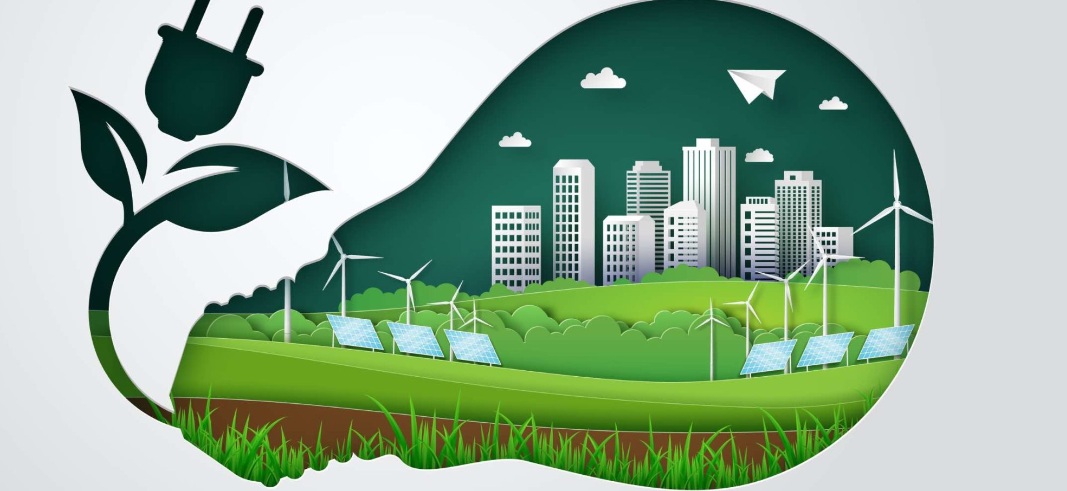
As Pakistan faces energy and climate challenges, a new wave of startups is driving the shift toward solar, wind, and sustainable innovation — blending technology with impact.


Pakistan’s green energy sector is witnessing an inspiring transformation in 2025. Young entrepreneurs are building startups focused on renewable energy, sustainable agriculture, and carbon reduction technologies. From solar rooftops in Karachi to wind farms in Sindh, clean energy innovation is now seen as both a moral responsibility and a profitable business model.

According to a report by the Pakistan Council of Renewable Energy Technologies (PCRET), more than 150 green startups have launched in the past three years, many backed by international climate funds and local venture capital. These ventures are helping businesses and households transition to affordable solar power systems, efficient lighting, and sustainable waste management solutions.

Companies such as ZSolar, RenewPak, and EcoCharge are leading the way, providing smart-grid solutions and hybrid energy systems for industries struggling with power shortages. Meanwhile, universities like NUST and Habib University are encouraging student-led innovation with energy incubation programs.

Experts say that Pakistan’s renewable sector could create over 100,000 new jobs by 2030, if supported by clear policies and incentives. For a country vulnerable to climate change, the rise of green startups signals hope — a movement that merges entrepreneurship with environmental consciousness.

Fintech Revolution: How Digital Banks Are Changing Pakistan’s Economy

Fintech Pakistan, Digital Banks, SBP, Financial Inclusion, Economy 2025


Pakistan’s new wave of digital banks is transforming financial access, driving inclusion, and redefining how millions save, spend, and invest.


Pakistan’s fintech landscape is evolving rapidly in 2025 as fully digital banks begin to reshape the country’s financial ecosystem. Licensed by the State Bank of Pakistan, these digital-first institutions are introducing seamless mobile banking, faster credit approvals, and low-fee financial services for individuals and small businesses.

Startups such as Sadapay, NayaPay, and Easypaisa are leading this revolution by integrating modern digital tools, biometric verification, and AI-based customer support. As a result, over 20 million Pakistanis now use digital wallets — a milestone that signals a major shift from cash dependency to digital transactions.

Economists believe this transformation could add billions to the national GDP over the next few years. “Fintech is more than convenience — it’s a foundation for inclusive growth,” said an analyst from Business Recorder. Rural areas, previously underserved by traditional banks, are gaining new access to digital credit and remittance options.

However, experts warn that cybersecurity, digital fraud, and low financial literacy remain challenges. The State Bank’s new Fintech Regulatory Sandbox aims to balance innovation with safety, ensuring growth without compromising trust.

Startup Funding 2025: Pakistani Entrepreneurs Attract Global Investors

Pakistan Startups, Venture Capital 2025, Business, Fintech, Economy


After a quiet 2023–24, Pakistan’s startup scene is showing signs of recovery as investors from the Middle East and Southeast Asia return with renewed confidence.


Pakistan’s startup ecosystem is regaining momentum in 2025, with global investors eyeing opportunities in fintech, logistics, and e-commerce. Following a slowdown driven by global inflation and currency pressure, venture funding is slowly returning — led by investors from the UAE, Saudi Arabia, and Singapore.

Pakistan Startups, Venture Capital 2025, Business, Fintech, Economy

Analysts say the turnaround is being driven by improved policy clarity, better digital payment infrastructure, and new government incentives for technology exports. “The fundamentals of Pakistan’s digital economy remain strong — a young population, high smartphone penetration, and growing digital adoption,” noted a Karachi-based VC partner.

Notably, startups such as Bazaar Technologies, Sadapay, and Truck It In have secured follow-on funding rounds this year, while new players in green tech and agriculture are attracting attention. Experts predict total startup investment could cross $150 million in 2025 if macroeconomic stability continues.

While challenges such as currency volatility and taxation remain, entrepreneurs are optimistic. Many believe the next growth phase will come from partnerships between Pakistani founders and regional investors rather than dependence on Western VC funds.

Pakistan, South Africa set to clash in second T20 in Lahore today

Pakistan

LAHORE: The second match of the three-match T20 series between Pakistan and South Africa will be played today at the Gaddafi Stadium, Lahore.

All tickets for the match have been sold out, and both teams held intensive practice sessions at the venue, focusing on fielding, batting, and bowling drills ahead of the crucial encounter.

The visiting side leads the series 1–0, having defeated Pakistan by 55 runs in the opening T20 match.

So far, the two teams have faced each other 25 times in T20 internationals, with South Africa winning 13 matches and Pakistan 12.

King Shah Rukh Khan continues to defy age with fitness and charm

King Shah Rukh Khan

MUMBAI: As Bollywood superstar Shah Rukh Khan approaches his 60th birthday, his youthful energy and fitness continue to amaze fans and critics alike.

Known not only for his acting prowess but also for maintaining remarkable fitness, the actor remains one of the most admired figures in the Indian film industry.

Recently, Shah Rukh interacted with fans on the social media platform X (formerly Twitter) through a question-and-answer session, where admirers once again praised his timeless charisma and discipline.

During the session, a fan asked Shah Rukh Khan how he manages to look younger with every passing year, jokingly wondering if it was due to “black magic or a skincare routine.”

In his trademark witty style, the superstar replied, “The truth is, it’s because ‘dil to bachcha hai ji’ (the heart is still young), and beauty lies in the eyes of the beholder.”

In another light-hearted exchange, a fan asked Shah Rukh Khan, “How are you so handsome?”

Responding with his signature charm, the actor wrote, “I think age suits me.”

It is worth mentioning that in a past interview, Shah Rukh Khan spoke about his fitness routine, revealing that he eats only two meals a day — lunch and dinner — and avoids snacking in between.

The actor further shared that he is not fond of elaborate dishes, saying, “I don’t enjoy rich food; I prefer grilled chicken, broccoli, and lentils. These are the meals I’ve been having for years.”

Sohail Afridi unveils KP’s new 13-member provincial cabinet

Sohail Afridi

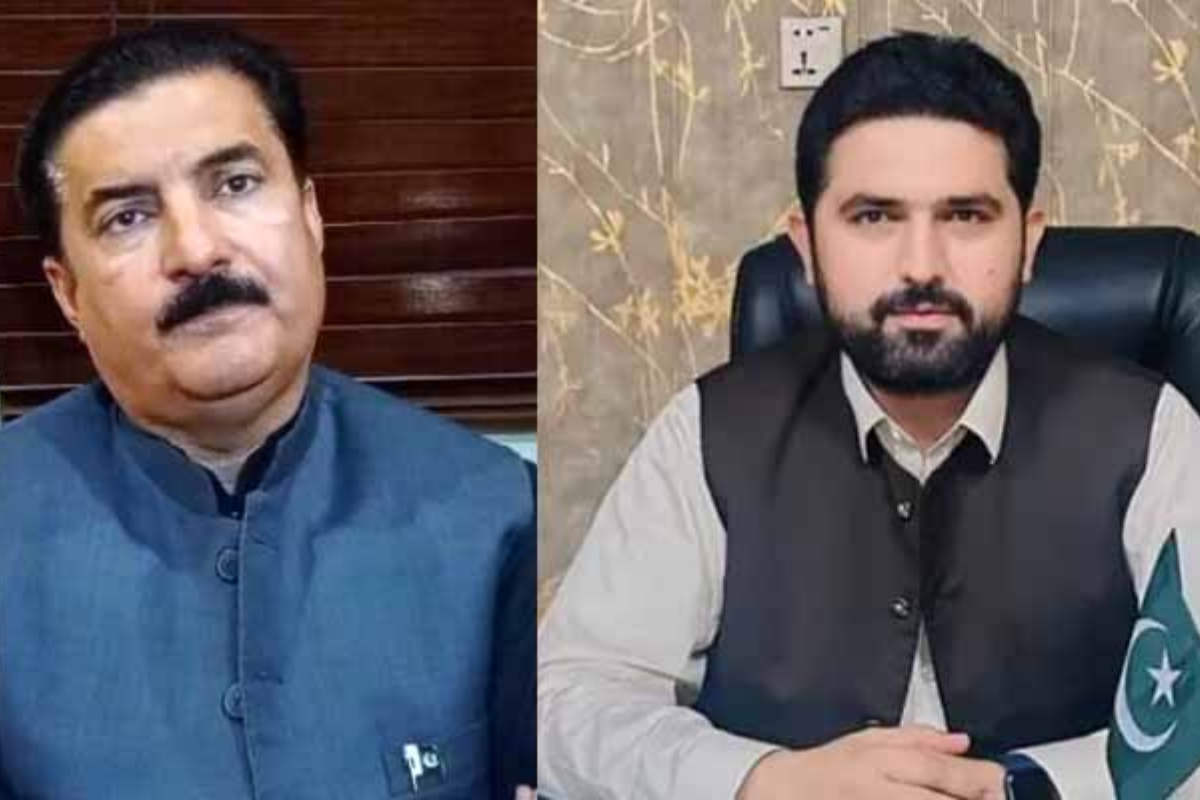
PESHAWAR: The Khyber Pakhtunkhwa government has constituted a 13-member cabinet under Chief Minister Sohail Afridi, featuring 10 ministers, two advisers, and one special assistant.

According to reports, Governor Faisal Karim Kundi has signed the summary sent by the chief minister, approving the new cabinet lineup.

In line with directions from the party founder, CM Afridi announced the names of cabinet members, which include Meena Khan Afridi, Fazal Shakoor, Faisal Tarakai, Aqibullah, Dr Amjad, Khaleeq ur Rehman, Riaz Khan, and Fakhar Jehan.

Taj Muhammad Rind and Muzzammil Aslam have been appointed as advisers, while Shafi Jan will serve as special assistant to the chief minister.

A decision regarding Barrister Saif’s inclusion in the cabinet has not yet been finalized. The newly appointed cabinet members are scheduled to take oath later this afternoon.

Excessive mobile use causing myopia in young children, experts warn

Excessive mobile

LAHORE: Excessive use of mobile phones is leading to a surge in cases of myopia (short-sightedness) among young children, experts revealed during a seminar organized by the Department of Pediatric Ophthalmology at Mughal Eye Trust Hospital.

Head of Pediatric Ophthalmology, Professor Seema Qayyum, said prolonged screen exposure alters the structure of the eye, as children often stare at mobile screens without blinking and frequently rub their eyes.

She warned that even very young children are now developing high levels of myopia, with some requiring corrective lenses ranging from –7 to –10 diopters.

According to Professor Qayyum, around 40% of children under the age of 10 are already affected by myopia, with cases projected to rise by up to 14% annually if preventive measures are not taken.

Death toll from Hurricane Melissa rises to 50 in Caribbean

Death toll

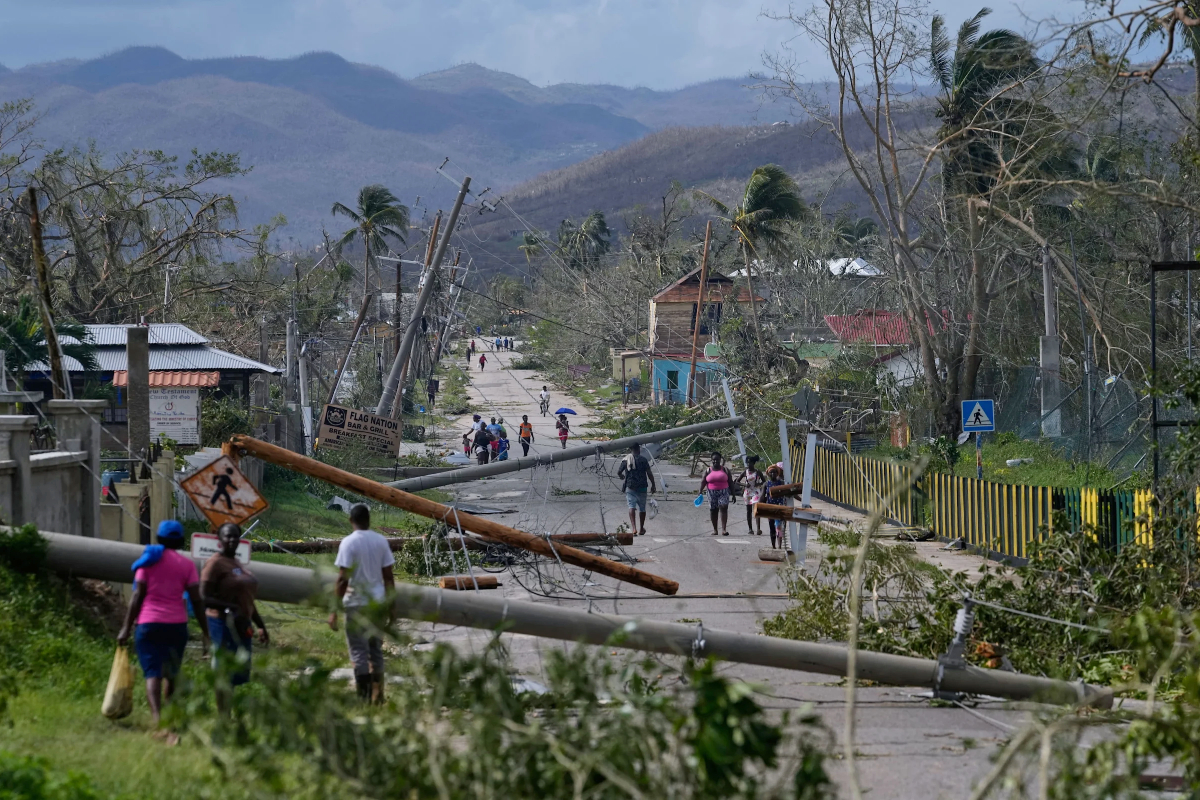
KINGSTON: At least 50 people have been killed as Hurricane Melissa wreaked havoc across several Caribbean islands, including Jamaica, Cuba, and Haiti, according to international news agencies.

The U.S. National Hurricane Center (NHC) reported that 19 deaths occurred in Jamaica and 30 in Haiti, while 20 people were injured and another 20 remain missing.

Authorities said the hurricane caused severe damage to homes, roads, and power infrastructure, forcing the evacuation of nearly 800,000 residents from affected areas.

The NHC added that after devastating parts of Cuba, Jamaica, Haiti, and the Dominican Republic, the storm is now moving toward Bermuda, where a hurricane warning has been issued.

UN warns of women’s rights erosion under Taliban

UN warns

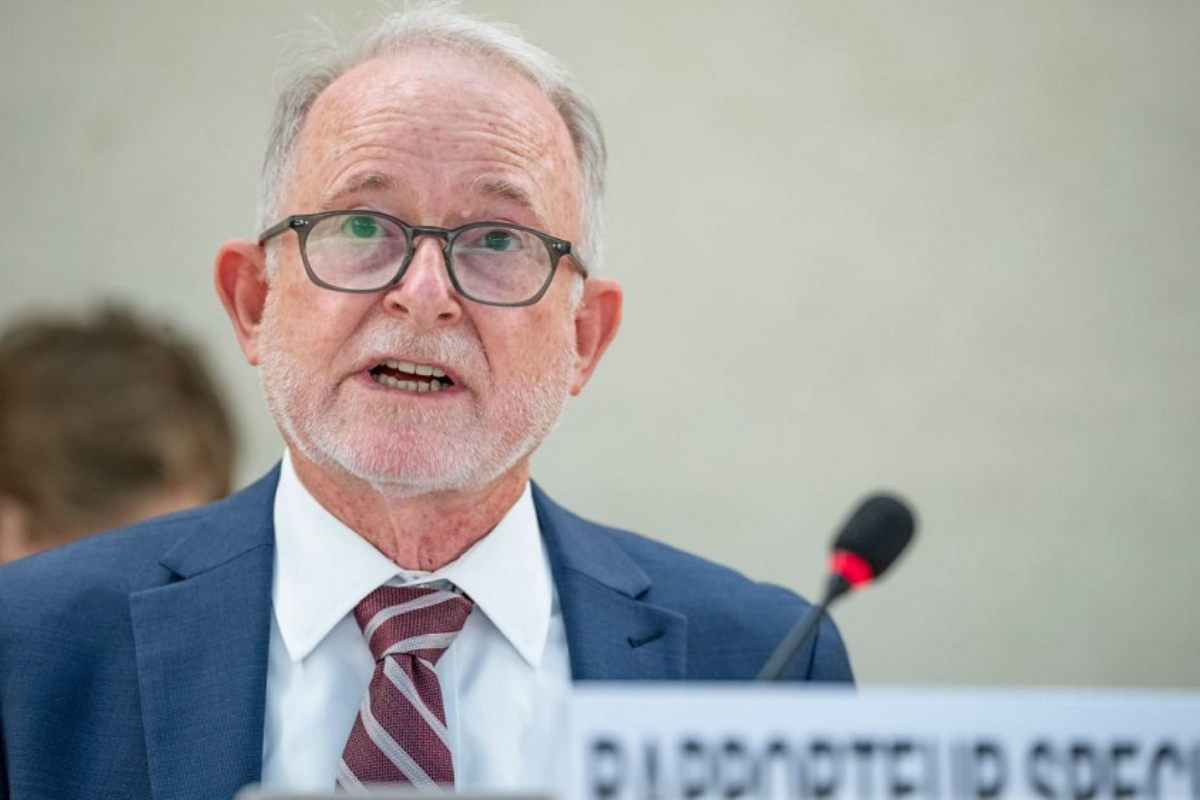
UNITED NATIONS: Restoring diplomatic ties with the Taliban would amount to endorsing repression, a UN human rights official has said, calling on world governments to take a firm, principled stance in defense of Afghan women and girls.

Richard Bennett, the Special Rapporteur monitoring human rights in Afghanistan – who serves independently under a mandate of the Human Rights Council – told the UN General Assembly that the human rights situation in the country “continues to deteriorate with few grounds for optimism.”

He warned of intensifying gender persecution, a rise in corporal punishment, enforced disappearances and attacks against former officials despite a declared amnesty.

There are also increasing restrictions on media freedom and civil society, and discrimination against ethnic and religious minorities, including forced evictions affecting Hazara communities.

The UN expert noted that no Taliban edicts restricting women’s rights have been reversed.

 “Many Afghan women are denied their right to work,” he said, pointing to recent moves preventing Afghan women working for the UN from entering UN compounds. “This is a serious breach of fundamental rights and the UN Charter’s principles of equality and non-discrimination.”

Bennett also criticized the sharp reduction in humanitarian and civil society funding, which he said is removing “the last lines of protection” for a population already facing widespread deprivation.

He urged governments to recommit to long-term, sustained support, particularly for Afghan and women-led organizations.

The Special Rapporteur further warned of the mass forced return of Afghan refugees, urging all States to respect the international legal principle of non-refoulement, which prohibits returning people to places where they face persecution or serious harm.

While the situation remains grave, Bennett highlighted signs of progress in accountability.

These include the International Criminal Court’s issuance of arrest warrants for senior Taliban leaders, and the Human Rights Council’s recent establishment of an independent investigative mechanism to collect and preserve evidence of serious crimes for future trials.

“Afghanistan is not a lost cause,” Bennett told delegates, stressing that accountability is an “essential part “of building a future rooted in justice, equality and the rule of law.

“Turning away now would not only betray the Afghan people – it would undermine the foundations of our shared international system,” he said.

He urged States to engage with Afghanistan “in a principled manner that avoids normalization of Taliban rule until there are demonstrated, measurable and independently verified improvements in the human rights situation – particularly for women and girls.”