BREAKING NEWS
Advertise with us >

Punjab suffers as Lahore again tops global pollution chart

Punjab suffers

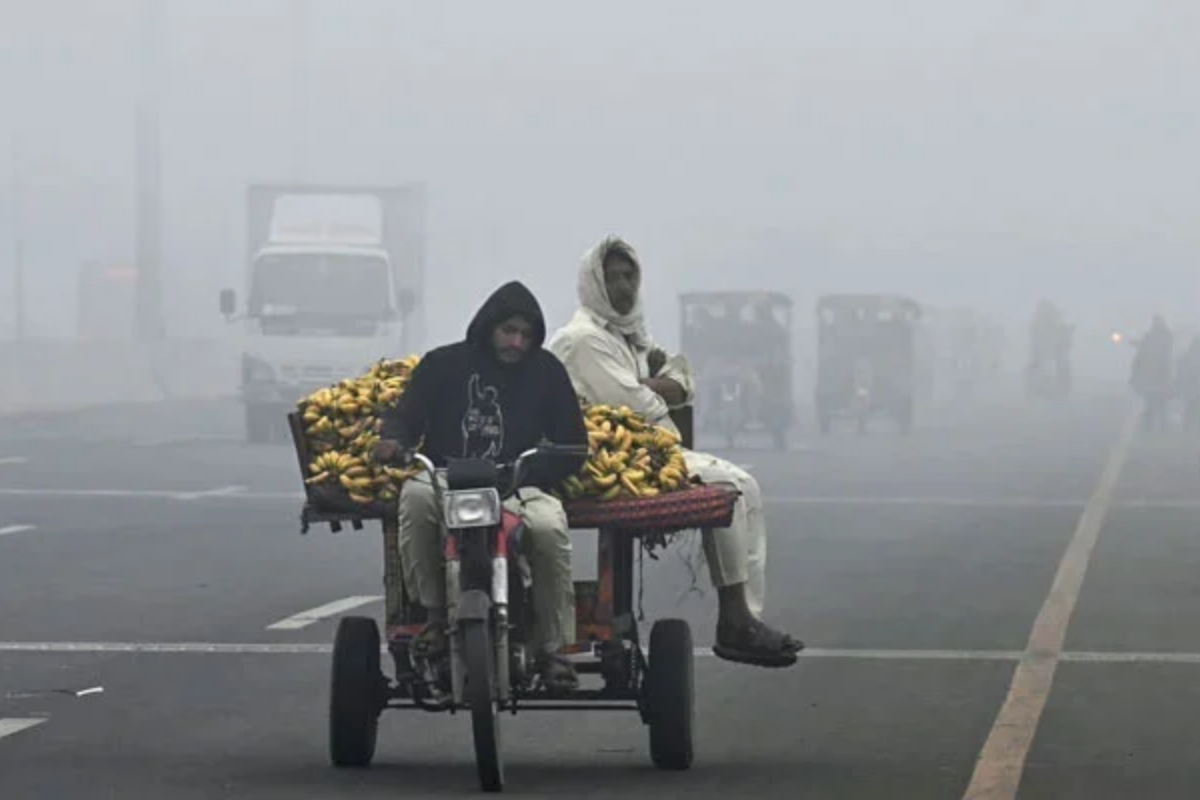
LAHORE: The Lahore city once again topped the list of the world’s most polluted cities on Wednesday, as thick smog blanketed Punjab and the city’s overall Air Quality Index (AQI) climbed to a hazardous 462.

According to real-time monitoring data, Sandha Road recorded an alarming AQI of 941, followed by Cantonment at 690, Iqbal Town at 639, and Burki Road at 616 — placing the provincial capital under severe smog conditions.

The situation was similarly dire in other major cities. Multan’s AQI hit 507, Faisalabad 712, Gujranwala 287, and Peshawar 219, all indicating unhealthy to extremely hazardous air quality.

Medical experts have urged citizens to avoid unnecessary outdoor activities, wear protective masks, and keep windows closed, warning that prolonged exposure to the polluted air could trigger respiratory and cardiac complications, particularly among children and the elderly.

Authorities said the Lahore Waste Management Company (LWMC) has mobilized its 16 mechanical washers and 50 washing rickshaws as part of the ongoing anti-smog operation. Around 200 sanitation workers have been deployed in the day shift and another 200 at night, carrying out washing and water sprinkling on over 300 kilometers of roads daily.

The Environmental Protection Agency (EPA) confirmed that water sprinkling is being carried out twice a day across 47 major roads, including Jail Road, Main Boulevard Gulberg, Noor Jahan Road, MM Alam Road, GT Road, Band Road, Ravi Road, Shahdara, Saggian, Nazaria Pakistan Avenue, Raiwind Road, and Ferozepur Road, among other high-AQI areas.

In the night shift, mechanical washing and water sprinkling are being ensured at all entry and exit points of Lahore, in a bid to suppress dust and particulate matter contributing to smog formation.

Powerful Hurricane Melissa hits Caribbean, three killed

Powerful Hurricane

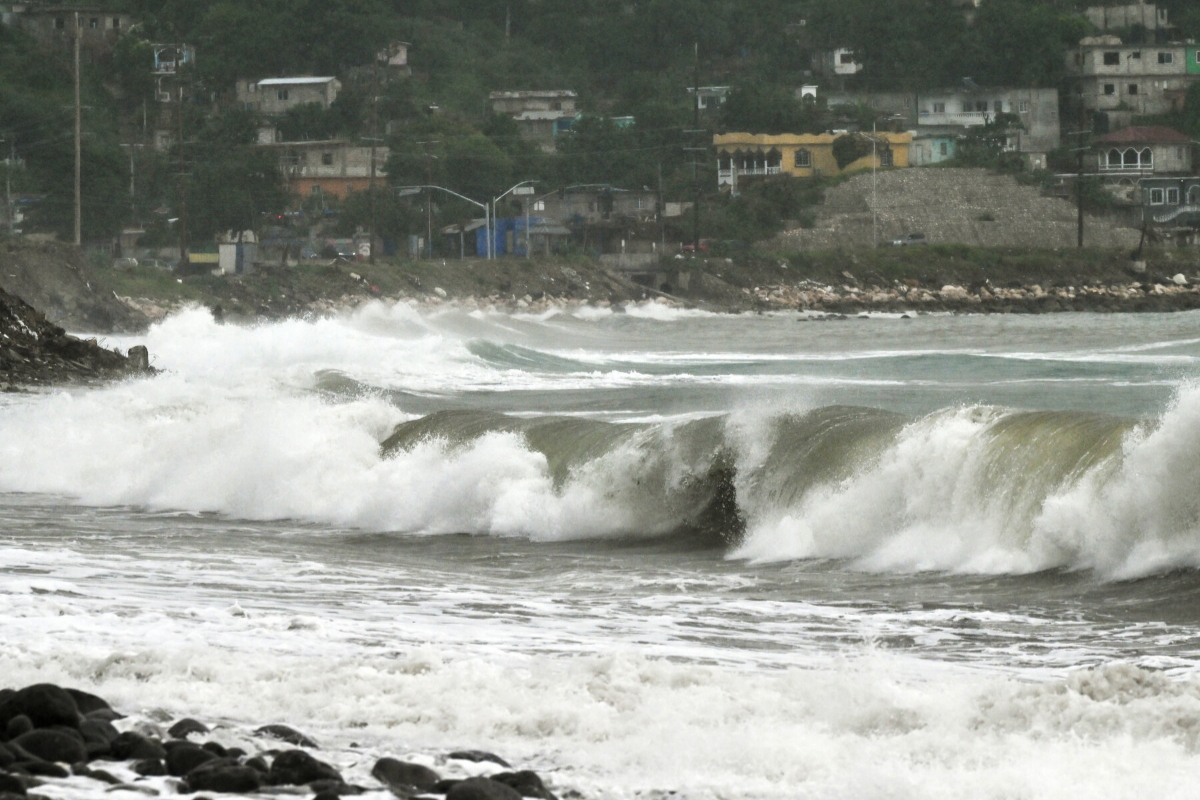
The most powerful storm of the year, Hurricane Melissa, has begun battering parts of the Caribbean, according to international news agencies.

Classified as a Category 5 hurricane, Melissa has already caused torrential rains across Haiti, leaving at least three people dead. Authorities reported that flights have been suspended in southern Haiti, while more than 3,000 residents have been moved to emergency shelters.

The U.S. National Hurricane Center (NHC) stated that Melissa’s winds have reached speeds of up to 280 kilometers per hour (174 mph). The storm is expected to make landfall in Jamaica later today before moving toward eastern Cuba and the Bahamas.

In anticipation of the storm, Jamaican authorities have urged residents to evacuate low-lying areas and move to designated shelters.

Jamaican Prime Minister has warned of the potential for widespread destruction, emphasizing the government’s preparedness for emergency response operations.

Air Pollution: Lahore faces alarming smog levels once again

Air Pollution

Lahore, the provincial capital of Punjab, remained the world’s most polluted city on Tuesday, as real-time data from global air quality monitor IQAir showed dangerously high pollution levels across the metropolis.

At 8 a.m., Lahore’s Air Quality Index (AQI) was recorded at 410, placing it in the “hazardous” category, while the city’s average level stood at 329 later in the day.

Among the most affected localities were Sanda Road (767 AQI), Township (758), Model Town (574), Allama Iqbal Town (511), and Gulberg III (390).

Air pollution also persisted across other cities of Punjab, with Faisalabad recording a particulate matter (PM2.5) level of 622, Multan 485, and Bahawalpur 255, according to environmental reports.

As per IQAir’s latest index, New Delhi ranked second, Dhaka third, and Kolkata fourth among the world’s most polluted cities. Karachi stood fifth with an AQI of 165.

Experts warned that low wind speed and falling temperatures are trapping pollutants close to the ground, intensifying smog and reducing visibility—particularly during late night, early morning, and evening hours. They added that the air may improve slightly between 1 p.m. and 6 p.m. when higher temperatures and wind movement help disperse pollutants.

Medical experts have urged citizens to wear protective masks and avoid unnecessary outdoor activities, especially children, the elderly, and individuals with respiratory or heart conditions.

Punjab’s Senior Minister Maryam Aurangzeb advised residents to use masks whenever outdoor movement is unavoidable to reduce exposure to toxic air.

In response to worsening conditions, the Lahore Waste Management Company (LWMC) deployed 16 mechanical washers and 50 washer rickshaws as part of its anti-smog operation.

More than 400 sanitation workers have been assigned for day and night shifts, washing and sprinkling water on over 300 kilometers of major roads daily.

According to the Environmental Protection Agency (EPA), 47 main roads—including Jail Road, Main Boulevard Gulberg, Noor Jehan Road, MM Alam Road, GT Road, Bund Road, and Ferozepur Road—are being washed twice daily to suppress dust and reduce airborne particulates.

In the past 24 hours, authorities registered 14 FIRs, imposed ₨1 million in fines on 115 violators, and issued 53 warnings across Lahore and other districts.

Violations included crop residue burning (13 cases), emission from smoke-producing vehicles (86), illegal industrial operations (5), and brick kiln violations (10).

Cumulatively, during the ongoing smog season, police have filed 1,642 cases, arrested 1,571 offenders, imposed fines exceeding ₨150 million, and issued over 15,000 warnings.

Officials reported 500 crop-burning cases, 55,763 vehicle violations, 1,599 industrial violations, and 3,185 brick kiln breaches across Punjab.

Lahore’s air turns toxic as smog worsens across Punjab

LAHORE: The Lahore continues to battle intense smog as air pollution in the city climbs to hazardous levels, raising serious health concerns among residents.

According to the Punjab Environment Protection Department’s website, Lahore’s Air Quality Index (AQI) has climbed to 358, while Gujranwala recorded a hazardous 500 and Sargodha stood at 347.

Official data shows that Faisalabad’s AQI was recorded at 306, Multan’s at 304, and Dera Ghazi Khan’s at 244.

Among Lahore’s most polluted areas, Multan Road topped the list with an AQI of 500, followed by GT Road (500), Shahdara (391), and Safari Park (377). The AQI at Kahna and Punjab University was recorded at 335 each.

Lahore tops global list of most polluted cities

Lahore tops

KARACHI: Lahore has once again recorded the worst air quality in the world, maintaining its position at the top of the global pollution rankings, while Karachi has moved up to seventh place, according to the latest Air Quality Index (AQI) data.

Data shows that Lahore’s air quality remains at hazardous levels, with particulate matter (PM) concentration recorded at 404, while Karachi’s reading stood at 147, indicating unhealthy air conditions.

Under the AQI scale, pollution levels between 150 and 200 are considered unhealthy, 200 to 300 are categorized as very unhealthy, and readings above 300 denote hazardous air quality.

Meanwhile, India’s capital New Delhi ranked second, and Beijing, the capital of China, secured the third position on the global pollution index.

Experts attribute the worsening air quality to seasonal changes, industrial emissions, heavy traffic, and irresponsible waste disposal practices.

Climate Finance Gap: Pakistan’s Vulnerability and Global Inaction

Climate ,finance , Pakistan, Germanwatch, Climate ,Risk, Index, UNDP ,report, World Bank ,CCDR, Pakistan ,vulnerability


Pakistan remains one of the world’s most climate-vulnerable nations yet receives less than 0.5% of global climate finance, according to the UNDP Climate Finance Report (2024).

The Germanwatch Climate Risk Index 2023 ranked Pakistan as the eighth most affected country by climate disasters, largely due to the 2022 floods and recurring heatwaves.

“Despite contributing less than 1% of global emissions, Pakistan pays a disproportionate price for global inaction,” said Inger Andersen, Executive Director of the UN Environment Programme (UNEP).

The World Bank Country Climate and Development Report (CCDR) estimates that Pakistan requires $348 billion by 2030 to meet adaptation and mitigation needs, yet available funding is less than 10% of that target.

The Ministry of Climate Change has proposed the Pakistan Climate Investment Fund (PCIF) to attract both public and private capital into renewable energy, water conservation, and green transport projects.

“We need predictable and accessible climate finance, not promises that never materialize,” stated Ali Tauqeer Sheikh, climate policy expert.

Analysts warn that Pakistan’s limited fiscal space and rising debt burden constrain domestic investment in climate adaptation. International donors are calling for better transparency and project readiness to attract concessional funding.

Melting Heights: Glacier Retreat Threatens Northern Pakistan

Glacier melt Pakistan, GLOFs, IPCC Pakistan, UNDP GLOF-II, climate change Gilgit Baltistan


Rising temperatures in the Hindu Kush–Karakoram–Himalaya (HKH) region are melting Pakistan’s glaciers faster than ever before, triggering Glacial Lake Outburst Floods (GLOFs) that threaten thousands of mountain communities. According to the Intergovernmental Panel on Climate Change (IPCC) Sixth Assessment Report, the region could lose up to one-third of its glacier mass by 2100 if emissions remain high.

“Pakistan’s northern glaciers are the water towers of South Asia. Their accelerated melt has serious downstream consequences,” said Dr. Saleemul Huq, IPCC Lead Author.

The NDMA recorded over 50 GLOF events in Gilgit-Baltistan and Khyber Pakhtunkhwa in the last decade. The UNDP GLOF-II Project, funded by the Green Climate Fund (GCF), is installing early warning systems in 24 high-risk valleys, but experts warn the coverage remains limited.

A 2024 Pakistan Meteorological Department (PMD) study found mean annual temperatures in Gilgit have increased by 1.3°C since 1980, leading to the formation of 3,000 glacial lakes — 33 of which are considered dangerous.

“We’re living with a permanent sense of fear,” said Sadia Karim, a resident of Hunza, recalling the 2022 GLOF that destroyed her family’s fields.

The World Bank has urged investments in mountain infrastructure and glacial monitoring using satellite data to prevent catastrophic losses.

ClimateCrisis #GlacierMelt #NDMA #UNDP #IPCC

Water at Risk: Indus Basin and Pakistan’s Looming Water Emergency

Pakistan water crisis, Indus Basin, UNDP Climate Promise, sea-level rise Pakistan, salinity intrusion Sindh


Pakistan’s Indus Basin, the lifeline for 80% of its population, is nearing a tipping point due to glacier melt, erratic monsoons, and severe water mismanagement. A World Bank report titled Pakistan: Getting More from Water (2023) warns that per capita water availability has fallen by over 80% since 1950, placing the country among the world’s most water-stressed nations.

“Pakistan’s water crisis is as much a governance issue as a climate one,” said Najy Benhassine, World Bank Country Director for Pakistan.

The UNDP Climate Promise (2024) reports that sea-level rise and declining river flows have accelerated salinity intrusion in Sindh’s Indus Delta, affecting agriculture and fisheries. Coastal districts like Thatta and Badin have seen over 1.2 million acres of farmland rendered unusable due to saltwater.

The Ministry of Climate Change warns that if upstream water regulation and mangrove restoration are not prioritized, the Indus Delta could face “irreversible ecological collapse within two decades.”

“We are witnessing both floods and droughts within the same year — the new climate normal,” said Sherry Rehman, former Federal Minister for Climate Change.

Pakistan’s National Water Policy (2018) is being revised to align with the Paris Agreement, focusing on climate-smart irrigation, groundwater regulation, and transboundary water cooperation with India and Afghanistan.

After the Deluge: Pakistan’s 2022 Floods Expose the Cost of Climate Neglect

Pakistan 2022 floods, World Bank PDNA report, UNDP Pakistan, climate resilience, NDMA, flood recovery


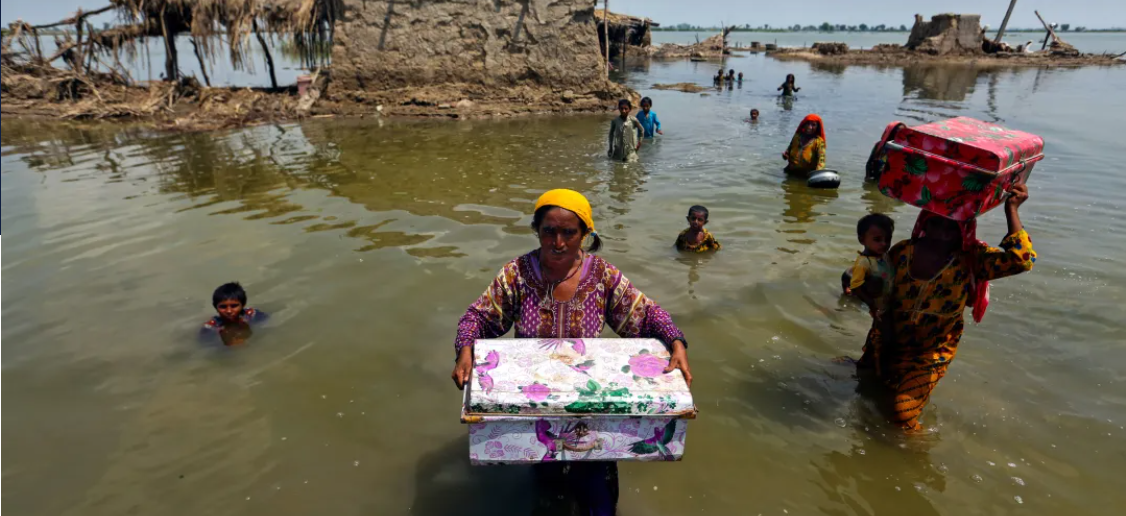
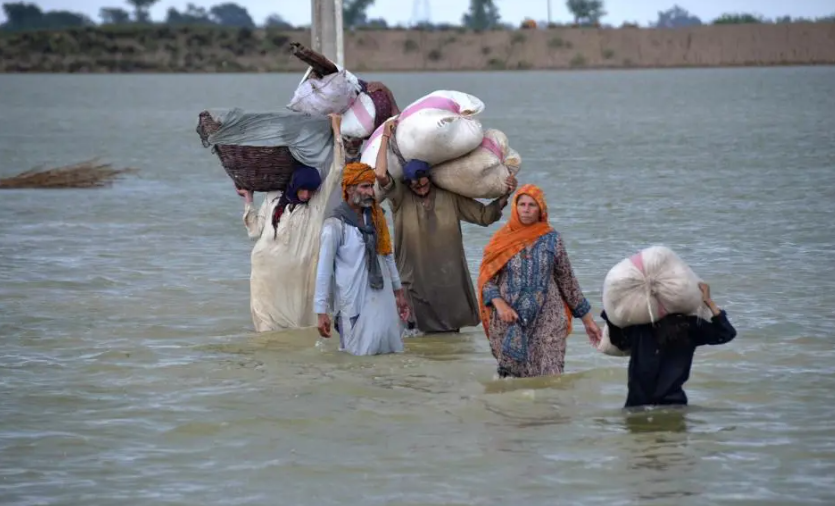
Three years after the devastating 2022 floods, Pakistan continues to grapple with the economic and social aftershocks of one of the most destructive climate disasters in its history. According to the Post-Disaster Needs Assessment (PDNA) prepared jointly by the Government of Pakistan, World Bank, Asian Development Bank, and UNDP, the floods caused over $30 billion in total losses — including $14.9 billion in damages and $15.2 billion in economic losses.

“The scale of the disaster was unprecedented. Over 33 million people were affected and millions displaced. Recovery will take years, not months,” said Henny Kromhout, Senior Disaster Risk Specialist at the World Bank.

The PDNA report warned that unless Pakistan invests heavily in climate-resilient infrastructure, similar events could occur every decade. The UNDP added that the floods were “a stark reminder that Pakistan contributes less than 1% of global greenhouse gas emissions but remains among the top 10 most climate-vulnerable nations.”

The National Disaster Management Authority (NDMA) confirmed that more than 2.3 million homes were damaged, 1.2 million livestock lost, and 4 million acres of farmland destroyed. The floods submerged one-third of the country, affecting major provinces including Sindh, Balochistan, and southern Punjab.

A World Bank Pakistan Climate Report (2023) noted:

“Climate extremes will intensify in South Asia. Building back better is not optional — it is essential for Pakistan’s survival.”

Experts recommend prioritizing early warning systems, climate-proof housing, and sustainable urban drainage systems. Pakistan’s Ministry of Climate Change has since launched the Living Indus Initiative, a $12 billion plan to restore the Indus ecosystem.

Lahore retains top spot among world’s most polluted cities

Lahore

LAHORE: The air quality in Lahore remained hazardous on Thursday, with the city once again ranking first among the world’s most polluted cities.

 According to air quality data, Lahore’s Air Quality Index (AQI) was recorded at 253, a level considered extremely unhealthy.

Before 7 a.m., the Barqi Road area of Lahore registered an alarming AQI of 485, reflecting dangerously high pollution levels. Environmental experts have warned that such conditions pose severe health risks, particularly to children, the elderly, and those with respiratory illnesses.

Other cities across Punjab are also experiencing poor air quality, with pollution levels far above safe limits.

Globally, New Delhi ranked second, followed by Baghdad at third place, while Karachi stood at fourth with an AQI of 181, and Kolkata (India) ranked fifth among the most polluted cities in the world.