BREAKING NEWS
Advertise with us >

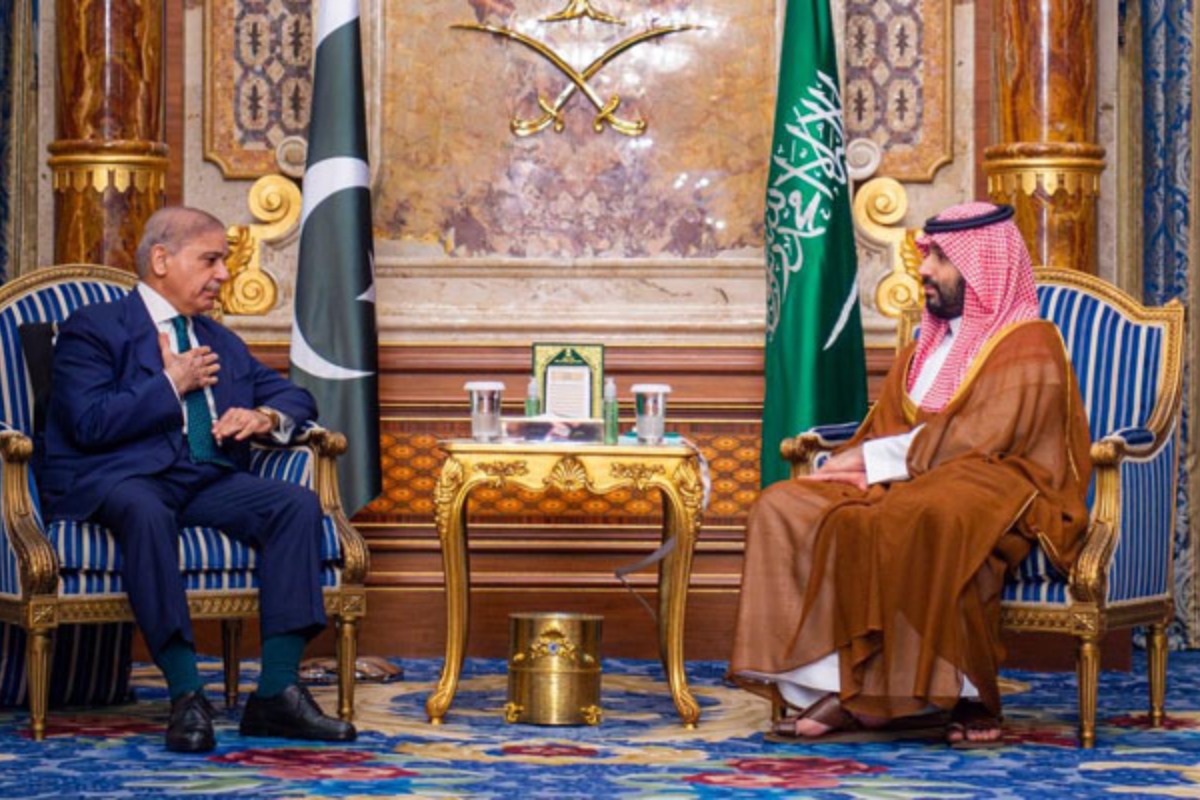
PM Shehbaz meets Saudi Crown Prince, discusses regional stability and bilateral ties

PM Shehbaz

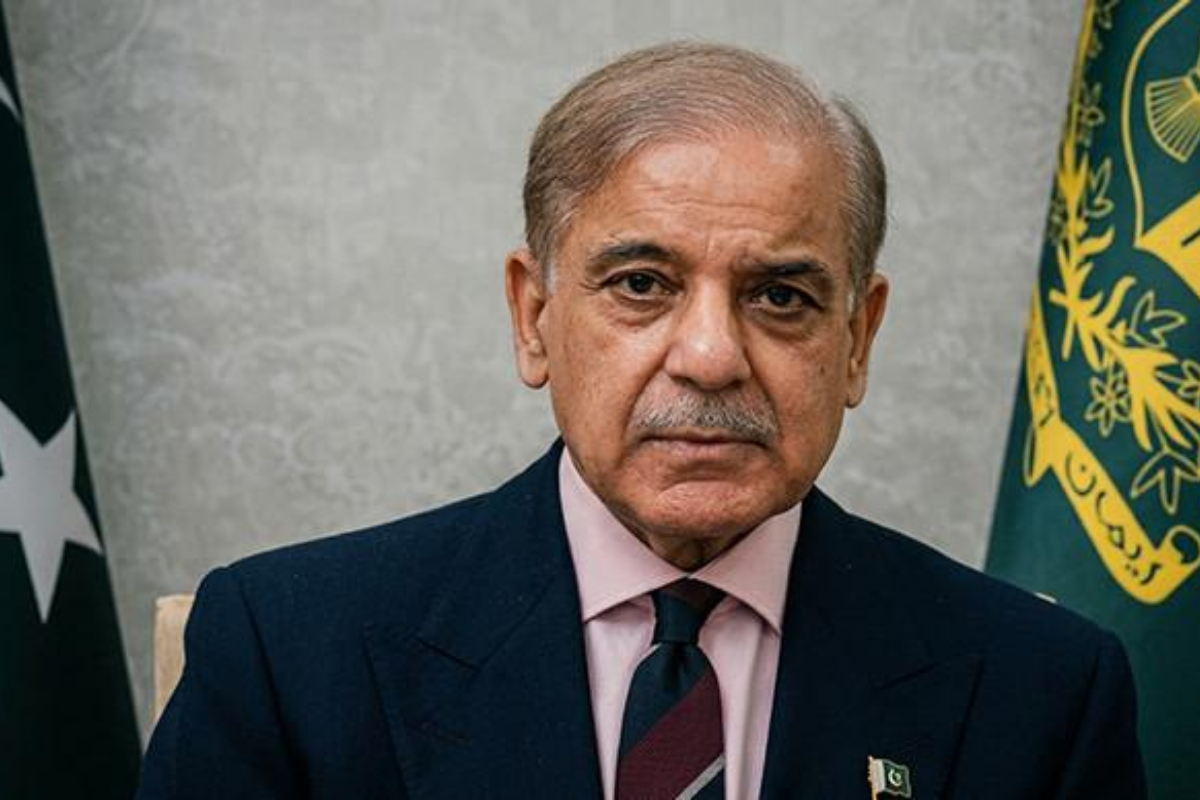
Jeddah: Prime Minister Shehbaz Sharif held a high-level meeting with Saudi Crown Prince Mohammed bin Salman, where both leaders discussed the evolving regional situation and reaffirmed their commitment to strengthening bilateral relations.

During the meeting, the two sides exchanged views on ongoing Iran–U.S. negotiations and emphasized the importance of peace and stability in the region.

Both Pakistan and Saudi Arabia expressed their resolve to further deepen cooperation across political, economic, and strategic domains.

Deputy Prime Minister Ishaq Dar was also present during the meeting, reflecting the significance of the engagement.

Prime Minister Sharif arrived in Jeddah on an official visit, accompanied by a high-level delegation. Upon arrival, he was warmly received by Prince Saud bin Mishaal bin Abdulaziz, Saudi Ambassador to Pakistan Nawaf bin Saeed Al-Malki, and Pakistan’s Ambassador to Saudi Arabia Ahmed Farooq.

According to the Prime Minister’s Office, the visit underscores Pakistan’s commitment to enhancing its longstanding partnership with Saudi Arabia and coordinating closely on key regional and international issues.

Power Division announces peak-hour electricity rationing plan

Power Division

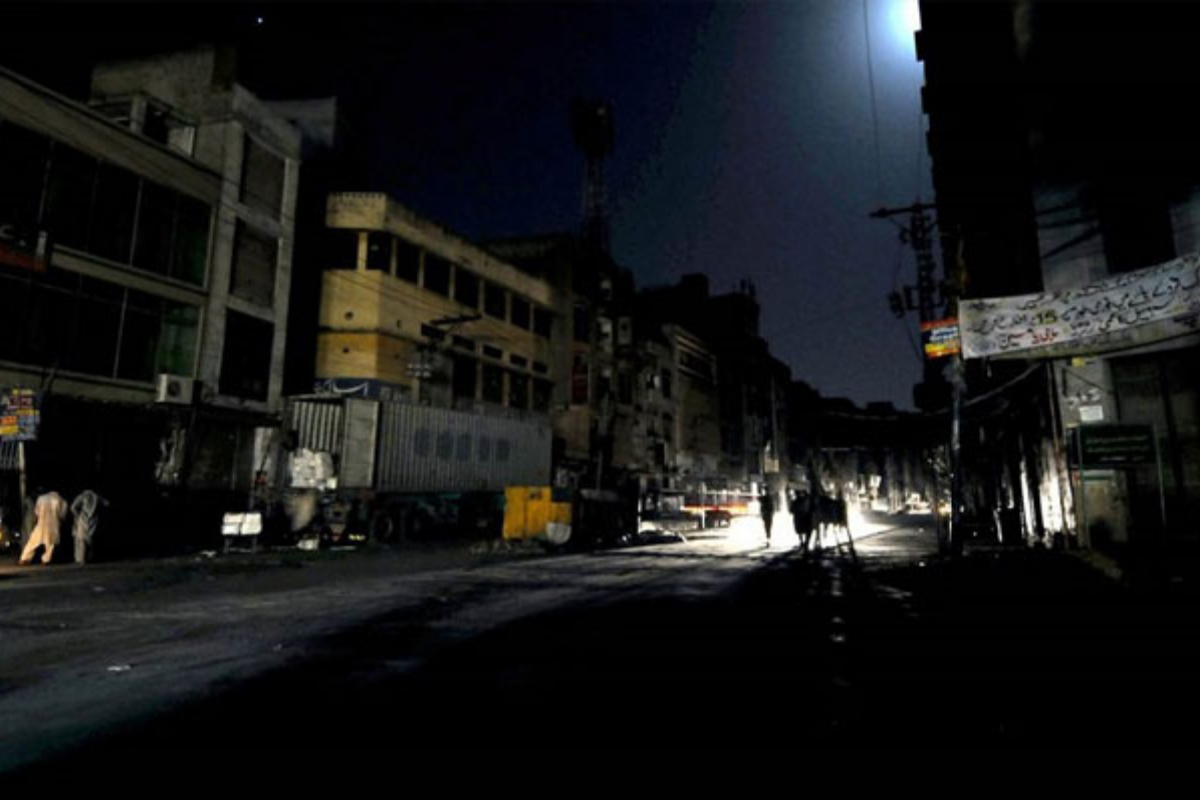
ISLAMABAD: The Power Division Pakistan has announced daily load shedding of two hours and fifteen minutes during peak hours as part of its relief strategy.

According to the spokesperson, the load shedding will be implemented between 5pm and 1am to manage increased electricity demand and reduce reliance on expensive fuel sources. The move aims to prevent a significant rise in electricity tariffs.

The Power Division stated that despite rising fuel costs, electricity prices were reduced by 71 paisa per unit due to the efficient use of low-cost generation sources. It also highlighted that consumers were given relief worth Rs46 billion from July to February.

Officials said the country currently has sufficient power generation capacity, but the main challenge remains the surge in consumption during peak hours. Without timely measures, electricity prices could have increased by Rs5 to Rs6 per unit.

The government has also ensured the supply of 80 MMCFD of local gas to power plants on the directives of Prime Minister Shehbaz Sharif, helping contain potential price hikes.

Authorities clarified that the purpose of load management is to avoid a potential increase of around Rs3 per unit, although a rise of about Rs1.5 per unit may still be unavoidable due to limited use of furnace oil.

The Power Division has directed distribution companies to inform consumers in advance about outage timings and emphasized that efforts are underway at both federal and provincial levels to reduce electricity demand, including early closure of commercial markets.

Exemption for Karachi and HESCO

The spokesperson further clarified that consumers of K-Electric and Hyderabad Electric Supply Company will be exempt from additional peak-hour load shedding.

This exemption has been granted due to the availability of relatively cheaper power generation sources in southern regions, ensuring that consumers in these areas are not subjected to unnecessary outages.

PM Shehbaz briefs President Zardari on US-Iran talks

PM Shehbaz

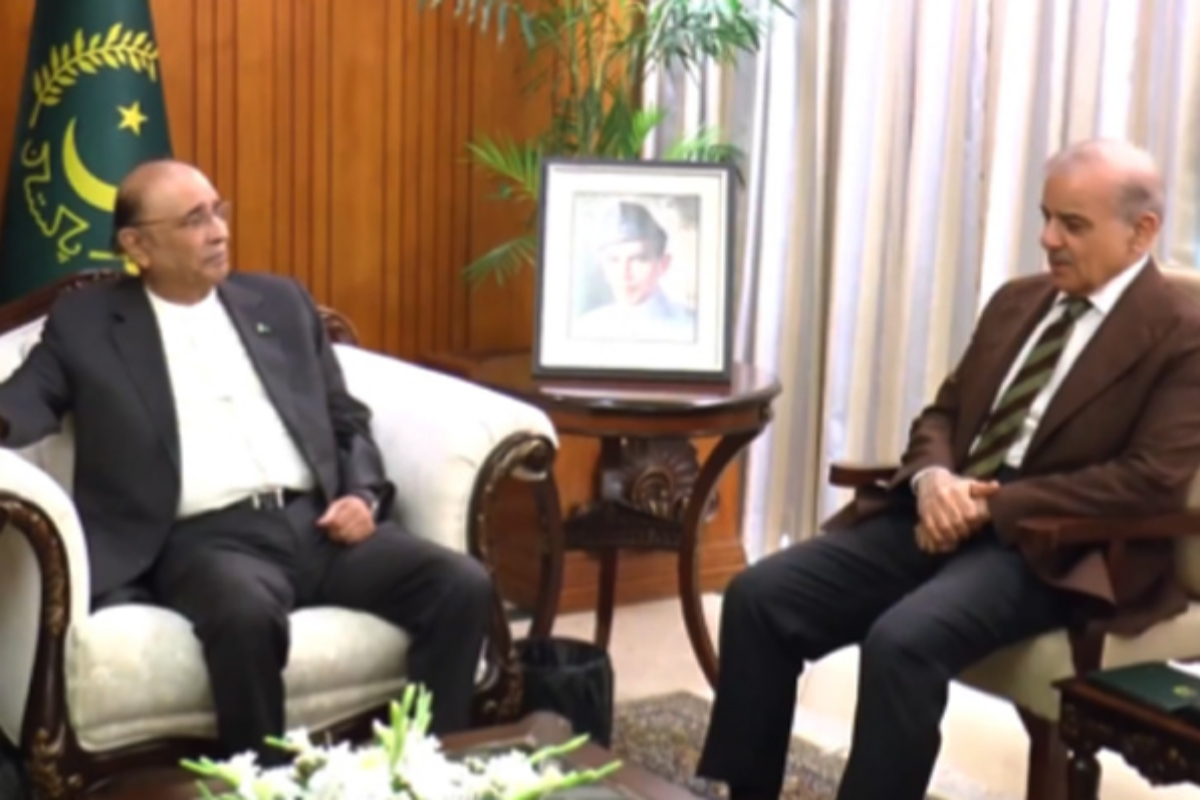
Islamabad: Prime Minister Shehbaz Sharif met President Asif Ali Zardari at Aiwan-e-Sadr and took him into confidence on all aspects of the ongoing US-Iran negotiations.

During the meeting, the prime minister provided a detailed briefing on various stages of the talks and shared progress achieved through Pakistan’s mediation efforts. He also informed the president about his upcoming visits to Saudi Arabia and Turkey.

President Zardari noted that conflicts have far-reaching impacts on regional stability as well as global security, economy, and politics.

He appreciated Pakistan’s efforts in facilitating the US-Iran dialogue and commended the contributions of the prime minister, the Field Marshal, and other state institutions.

He said Pakistan has further strengthened its position as a responsible and key state and has reinforced its image as a peace-loving nation on the global stage.

The president emphasized the importance of continued engagement with the United States, Iran, and other regional and global powers, stating that sustained diplomatic contacts are essential to ensure continuity of the peace process and promote regional harmony.

Ex-PM meets Bushra Bibi in Adiala Jail amid restrictions on family visits

Ex-PM

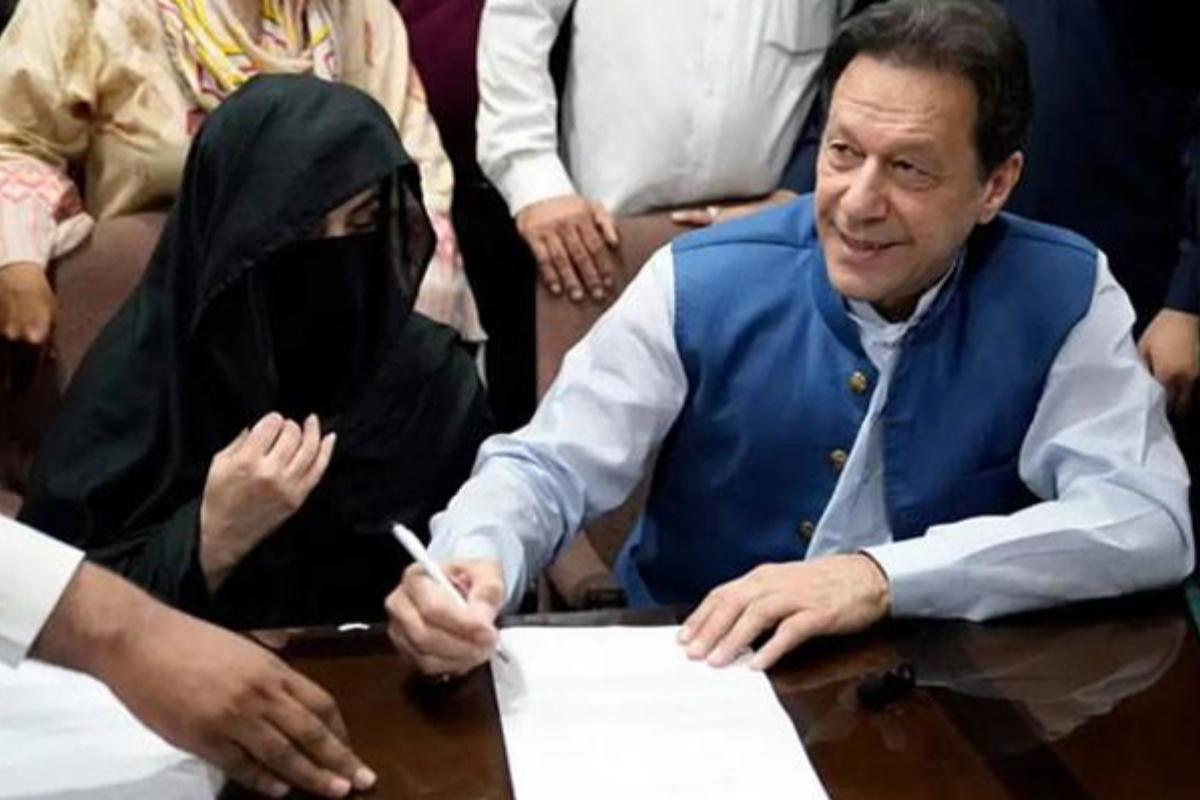
RAWALPINDI:  Former prime minister Imran Khan met his wife Bushra Bibi at Adiala Jail on Tuesday, according to prison sources.

Despite it being a designated day for meetings, no family members or legal representatives were allowed to meet the PTI founder.

However, sources confirmed that a weekly meeting between Imran Khan and Bushra Bibi was arranged inside the jail.

The two reportedly spent around 30 to 35 minutes together and inquired about each other’s well-being.

Meanwhile, Aleema Khan staged a protest along with other family members near Gorakhpur checkpoint outside Adiala Jail late into the night, expressing concern over the denial of ملاقات permissions.

PM directs continuous monitoring of oil consumption amid regional tensions

PM directs

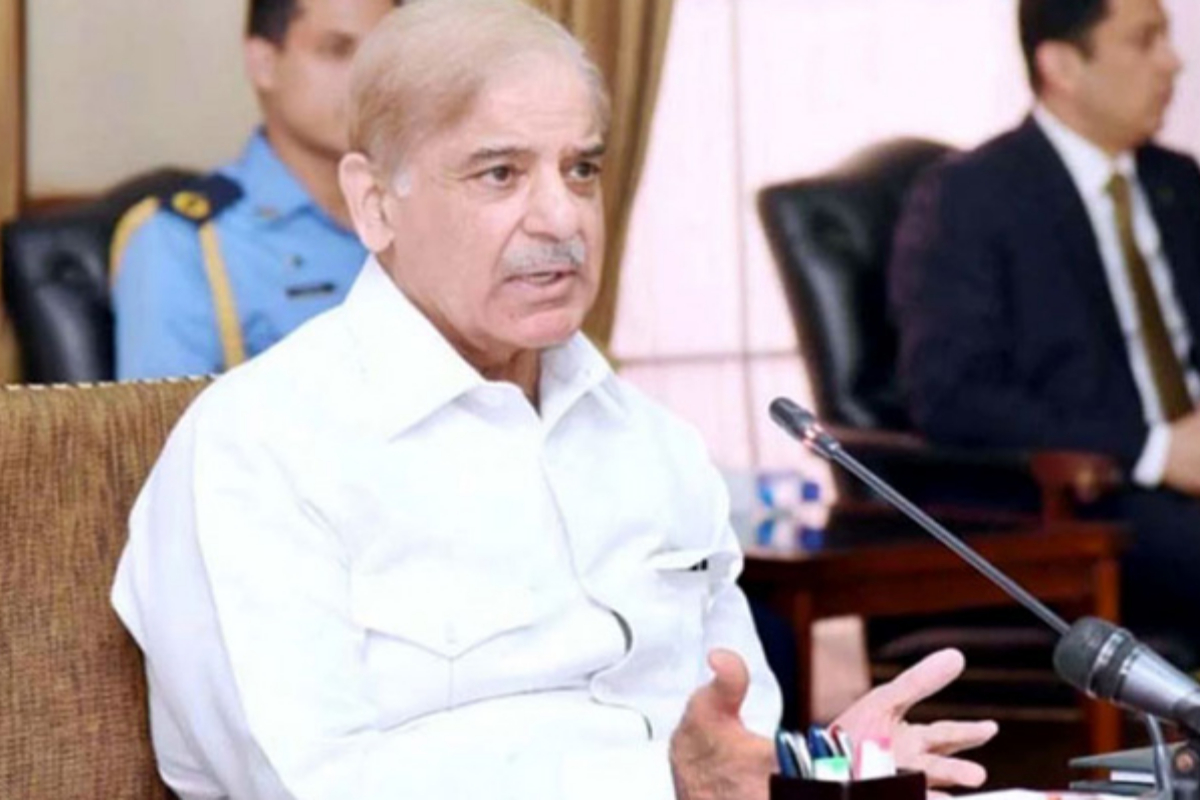
Islamabad: Prime Minister Shehbaz Sharif has directed authorities to ensure continuous monitoring of oil consumption in the country in view of rising regional tensions.

The directive was issued during a high-level meeting chaired by the prime minister to review petroleum reserves and supply. The meeting was attended by Deputy Prime Minister Ishaq Dar, Federal Minister Ahsan Iqbal Cheema, Petroleum Minister Ali Pervaiz Malik, Information Minister Attaullah Tarar, and senior officials.

During the briefing, the prime minister was informed that the country currently has sufficient petroleum reserves and that arrangements have already been made to meet future demand. Officials also stressed the need to maintain austerity measures to ensure efficient use of resources.

Shehbaz Sharif noted that consistent monitoring of oil consumption and reserves has helped avert any crisis so far, adding that government efforts to provide relief to the public will continue.

US–Iran talks in Islamabad likely to continue on Sunday: reports

US–Iran talks

Islamabad: Ongoing negotiations between United States and Iran in Islamabad are expected to continue tonight and possibly into Sunday, according to media reports.

Citing Pakistani sources, CNN reported that discussions between the two sides may extend beyond the initially planned schedule.

Pakistan is playing a key mediatory role in facilitating the talks, providing a platform for dialogue between the two countries.

Meanwhile, Federal Law Minister Azam Nazeer Tarar said that tensions between the US and Iran span over 47 years, and such complex issues cannot be resolved in just a few hours of meetings.

He noted that both sides are in continuous contact with their respective leaderships and will consult before finalizing any agreements.

Tarar added that while the talks were initially expected to conclude in a day, the positive momentum could lead to an extension of negotiations into the following day.

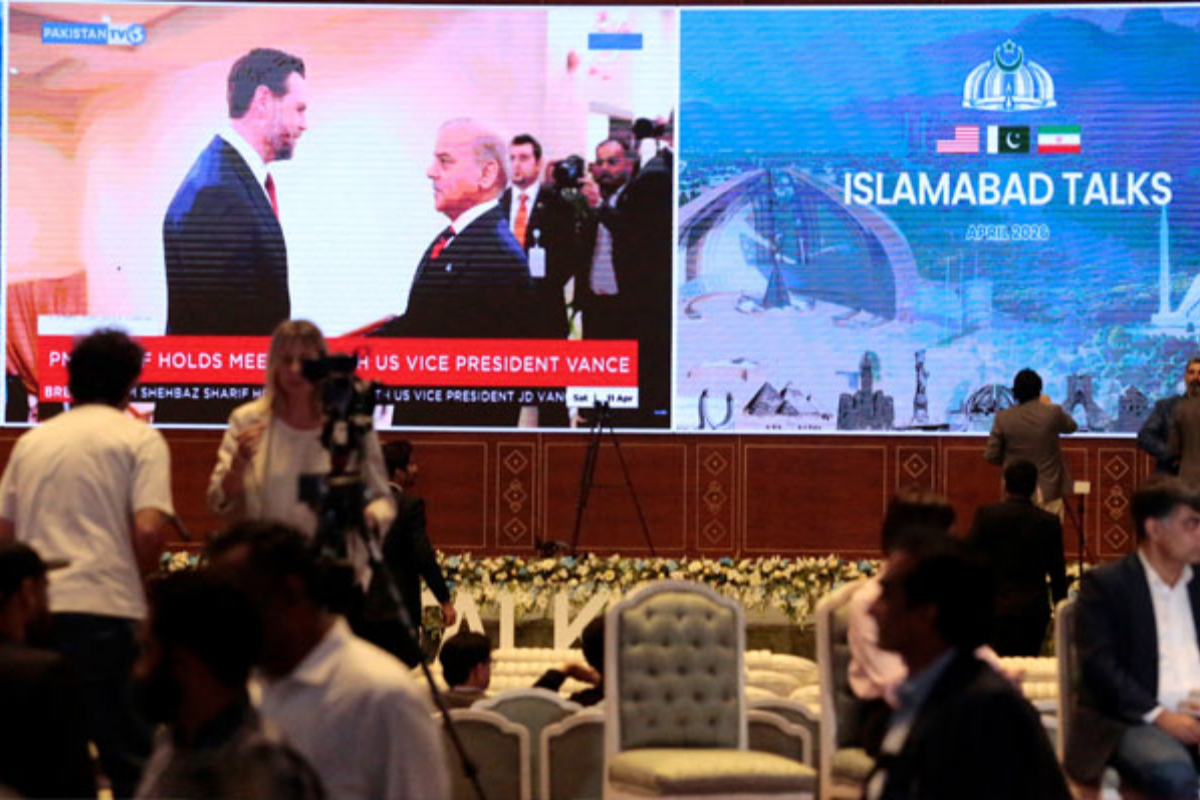
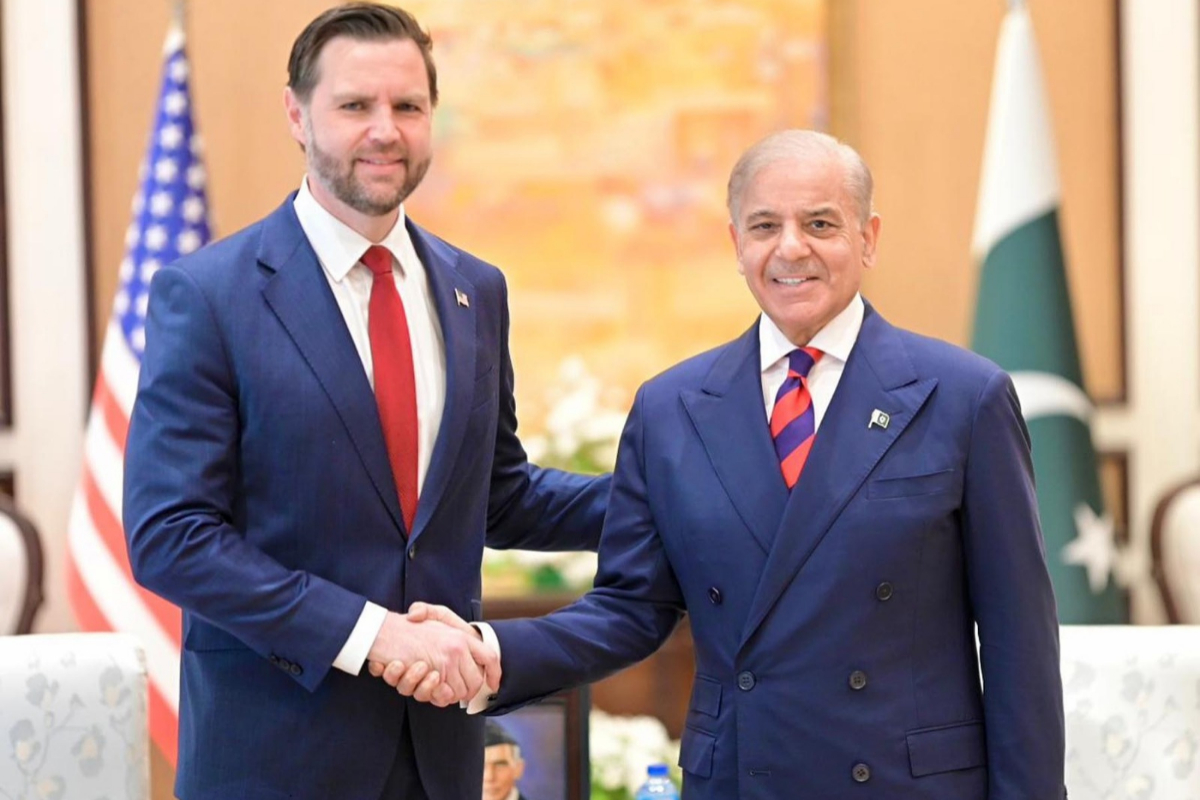
PM Shehbaz meets US Vice President JD Vance, discusses regional peace

PM Shehbaz

Islamabad: Prime Minister Shehbaz Sharif held a meeting with US Vice President JD Vance, during which both sides discussed bilateral relations and key regional issues.

According to the Prime Minister’s Office, the meeting was also attended by Steve Witkoff and Jared Kushner from the US side, while Deputy Prime Minister Ishaq Dar and Interior Minister Mohsin Naqvi accompanied the prime minister.

Discussions focused on regional peace, stability, and prospects for enhanced cooperation between the two countries. Both sides agreed to work together for promoting peace and stability in the region.

During the meeting, the prime minister reaffirmed that Pakistan will continue its efforts to achieve lasting peace in the region.

The White House also confirmed the meeting, highlighting its significance in the context of ongoing diplomatic engagements.

The prime minister appreciated the constructive participation of US and Iranian delegations in the Islamabad talks, expressing hope that the negotiations would prove to be a key step toward sustainable and lasting peace.

He reiterated Pakistan’s commitment to facilitating dialogue, stating that continued engagement would help build trust and cooperation between the parties involved.

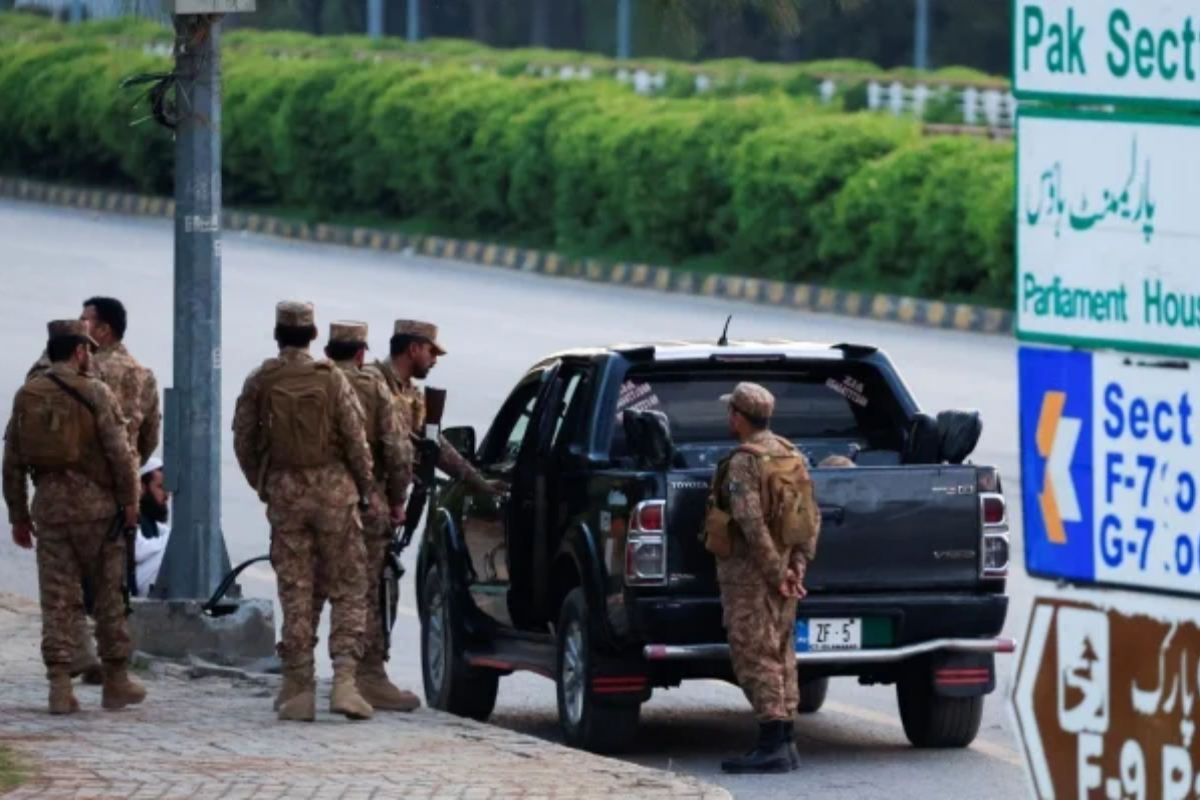
Pakistan tightens security as Islamabad hosts high-stakes US–Iran peace talks

Pakistan tightens

Pakistan is moving forward with extensive preparations for high-level negotiations between the United States and Iran in Islamabad, aimed at transforming a fragile two-week ceasefire into a durable and lasting peace.

Chairing a review meeting on security and administrative arrangements in the federal capital, Interior Minister Mohsin Naqvi directed authorities to ensure foolproof security and exceptional hospitality for all foreign delegations arriving for the talks.

Officials decided that Islamabad’s Red Zone will be fully sealed during the negotiations, with access strictly limited to authorized personnel.

A dedicated control room has also been set up at the Interior Ministry to oversee and coordinate all arrangements.

The talks are scheduled for Saturday in Islamabad following an invitation extended by Prime Minister Shehbaz Sharif to both sides after facilitating a temporary ceasefire.

The recent escalation in the Middle East reportedly began on February 28, involving coordinated strikes that targeted Iran’s military and nuclear infrastructure, resulting in heavy casualties. In response, Tehran disrupted key maritime routes and carried out retaliatory actions across the region.

Hostilities between the United States and Iran came to a halt on April 8 after Pakistan announced a two-week ceasefire, which has since been widely acknowledged for its diplomatic impact.

Washington is reportedly bringing a 15-point proposal focusing on issues such as Iran’s enriched uranium program, ballistic missile activity, sanctions relief, and the reopening of the Strait of Hormuz. Iran, meanwhile, has presented a 10-point counterproposal demanding control over the strait, transit toll arrangements, an end to regional military operations, and full sanctions relief.

The international community has praised Pakistan’s role in facilitating the ceasefire and supporting diplomatic engagement between the two sides.

The US delegation will be led by Vice President JD Vance, accompanied by special envoy Steve Witkoff and Jared Kushner. The Iranian delegation is expected to be headed by Parliament Speaker Mohammad Bagher Ghalibaf and Foreign Minister Abbas Araghchi.

Ahead of the high-profile “Islamabad talks,” authorities have also announced public holidays in Islamabad and Rawalpindi on April 9 and 10, with all public and private educational institutions and offices in the twin cities remaining closed.

Fuel price relief announced as diesel drops by Rs135 per litre

Fuel price relief

ISLAMABAD: Prime Minister Shehbaz Sharif has announced a significant reduction in fuel prices, cutting diesel by Rs135 per litre and petrol by Rs12 per litre, providing major relief to consumers.

In address to the nation, the premier said the new price of diesel will be Rs385 per litre, while petrol will be available at Rs366 per litre. He added that the revised prices will take effect from midnight.

The prime minister termed the moment historic, noting that the situation in the Gulf has shifted from conflict to dialogue. He thanked the leadership of Iran and the United States for agreeing to negotiations, adding that both sides are set to arrive in Islamabad for talks.

He said Pakistan’s role in facilitating a ceasefire between the two countries is a matter of pride not only for the nation but for the entire Muslim world.

Shehbaz Sharif also praised Deputy Prime Minister Ishaq Dar and his team for their tireless efforts, while commending Field Marshal Syed Asim Munir for playing a key role in de-escalation and facilitating dialogue.

Reiterating his commitment, the prime minister said he had promised to pass on the benefit of lower global oil prices to the public, adding that the recent decline in international prices made the reduction possible. He noted that the government had previously spent Rs129 billion to control inflation.

He emphasized that the full benefit of the price cut would be transferred to the public, rejecting proposals to divert part of the relief toward fiscal adjustments.

He acknowledged the patience of citizens in bearing the burden of inflation and said it was now the government’s responsibility to provide relief.

The premier added that reducing costs for farmers remains a priority, while subsidies for motorcycles, public transport, and goods transport will continue.

He concluded by stating that despite challenges, the government has never left the public alone and reaffirmed that public welfare remains its top priority.

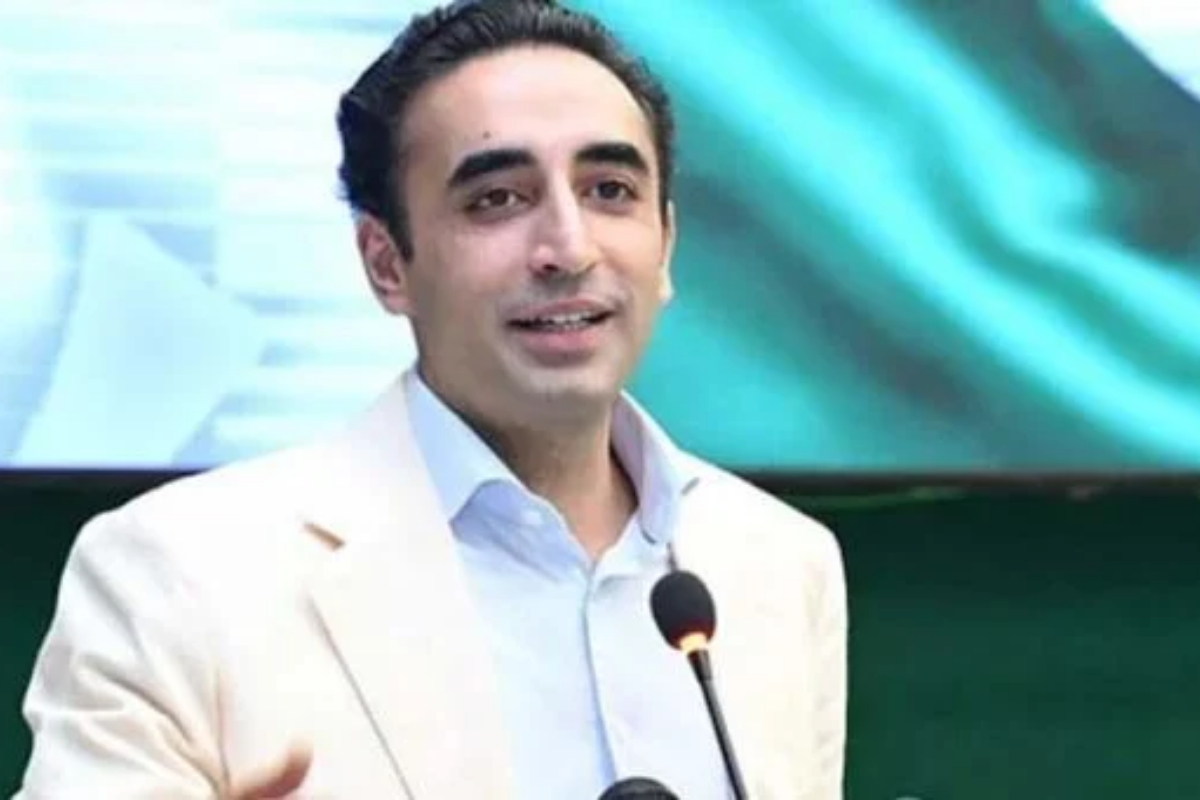
Trust deficit biggest challenge in US-Iran talks, says Bilawal

Trust deficit

ISLAMABAD: Chairman Pakistan People’s Party Bilawal Bhutto Zardari has said that the lack of trust between the United States and Iran will be the biggest challenge in upcoming negotiations.

In an interview with Al Jazeera, he noted that the recent conflict involving Iran has impacted the entire world, triggering global economic challenges. He expressed hope that the ceasefire would evolve into a stable and lasting peace.

Bilawal highlighted that Pakistan is facilitating direct talks between the two sides, adding that global attention is now focused on delegations arriving in Islamabad. He termed reaching the negotiation stage itself a significant achievement.

He further expressed optimism that both parties would choose diplomacy and dialogue as the path to peace.

Emphasizing the importance of peaceful resolution, he stated that the international community currently has no alternative plan, making dialogue the only viable option. He added that the outcome now depends on the commitment of both sides and the broader global community.

Bilawal reiterated that Pakistan wishes to see the issue resolved through peaceful means and sustained diplomatic efforts.