
BREAKING NEWS
Advertise with us >

Nepal-China border floods kill 95, hundreds missing

Nepal-China

KATHMANDU, Nepal: At least 95 people have died and hundreds of tourists remain missing after devastating floods struck the Nepal-China border region, where mud and rocks falling into a river triggered a powerful surge.

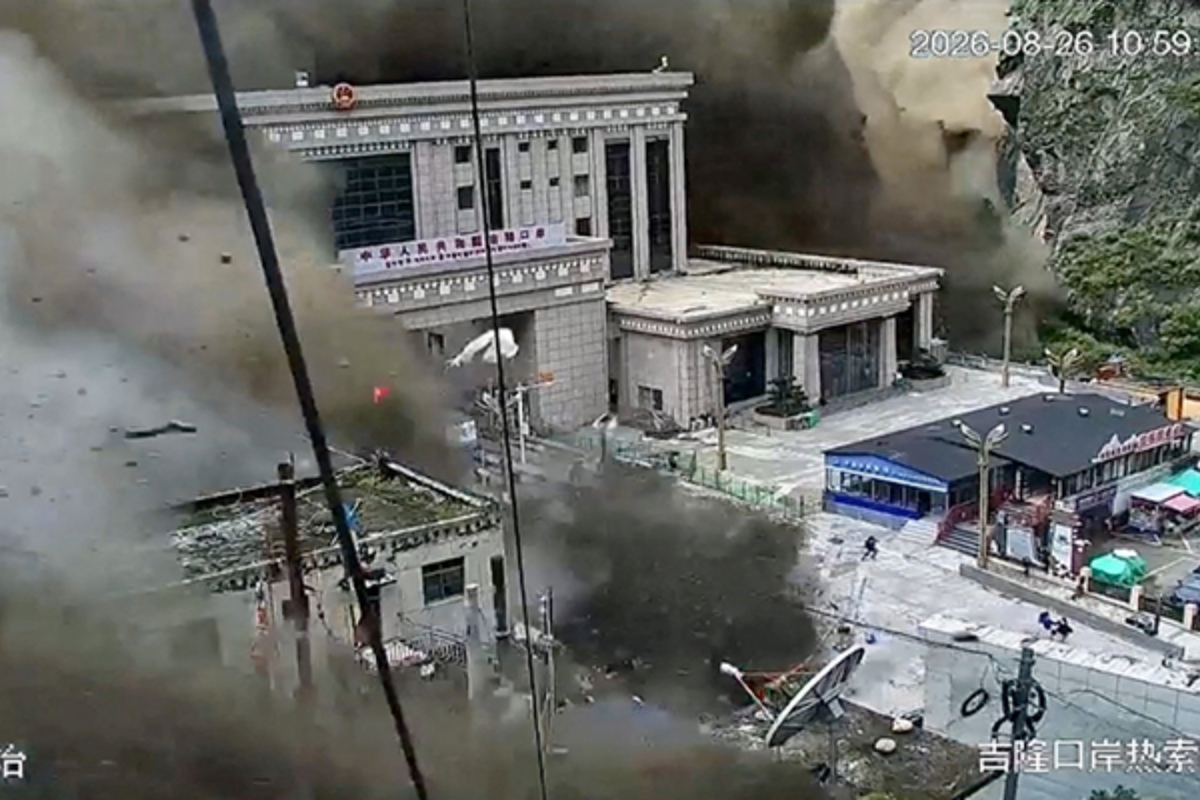
Videos of Wednesday’s disaster showed people running for their lives as a torrent of water, mud and debris swept through the border area. Authorities in Nepal and China warned that the death toll could rise and that the flooding had caused widespread destruction.

Several homes, roads and power projects in Nepal were swept away. On the Chinese side, authorities said a landslide at a border crossing raised fears of significant casualties in Gyirong county in Tibet.

Nepal’s tourism authorities said at least 384 tourists were missing in the affected area, including 105 Indians, 93 Nepalis, 12 Britons and three Americans. South Korea’s Yonhap news agency separately reported that eight South Korean nationals were also missing.

A Nepalese police official said 95 bodies had been recovered following the flooding.

Chinese state media reported that the landslide affected Gyirong port and damaged roads, communications infrastructure and power facilities in the border region.

China Central Television reported that at least 574 rescue workers had been deployed at the Gyirong land crossing. A rescue worker said roads leading to the affected area were covered by mud and debris up to about 5 feet thick, making access difficult and causing rescue teams to take at least four hours to reach the site.

India’s northern states of Uttar Pradesh and Bihar also issued flood alerts amid concerns that rivers flowing from the Himalayan region could carry additional water toward the plains.
China’s hypersonic arsenal gains ability to target aircraft and warships

China’s hypersonic

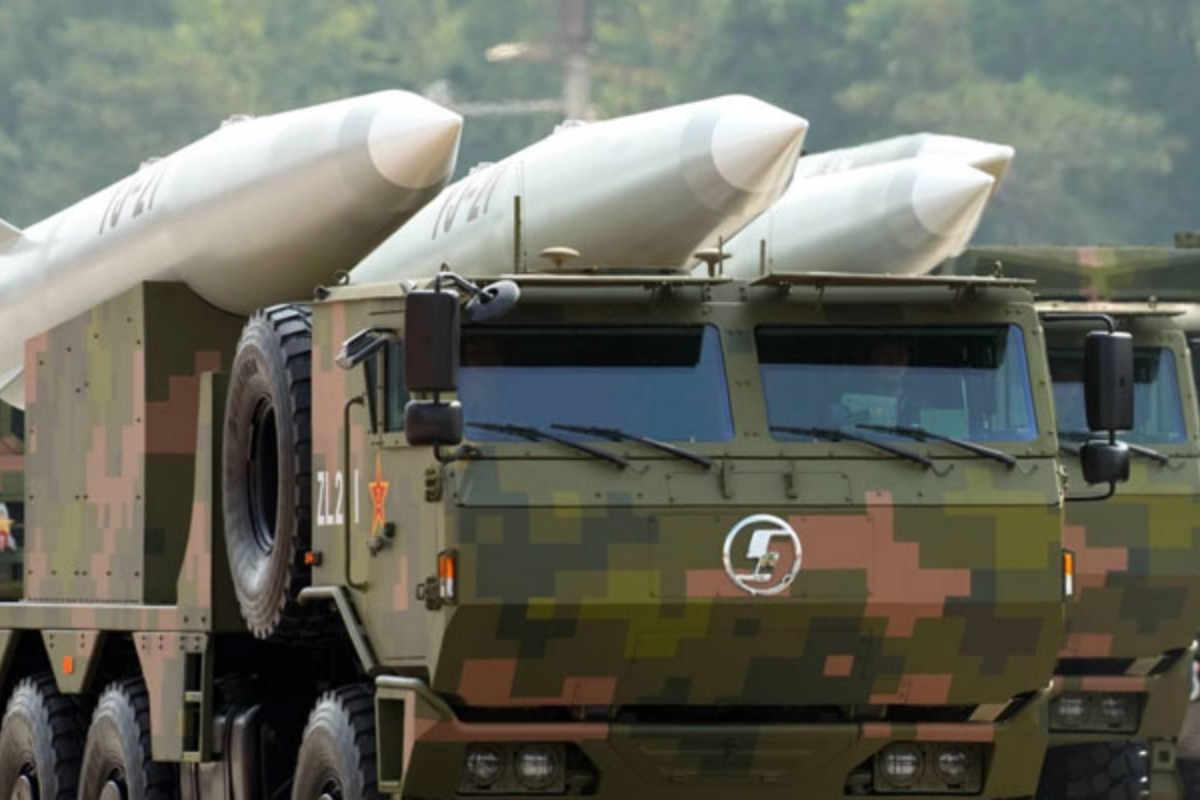
China has developed hypersonic glide vehicles capable of launching air-to-air attacks against aircraft thousands of kilometers away, potentially posing a major threat to U.S. command-and-control aircraft, aerial refueling tankers and other high-value assets, Bloomberg reported.

According to the report, people familiar with the matter said China has incorporated air-to-air attack capabilities into some hypersonic cruise missiles, while other variants have been designed to strike naval targets. Such weapons could allow China to disrupt communications and weaken the air-defense networks supporting fighter aircraft during a potential conflict.

A hypersonic glide vehicle launched by China’s DF-17 missile can travel about 2,414 kilometers, a range approaching the distance from China to the U.S. territory of Guam, which hosts a major American military base. China’s DF-27 missile is reported to have a maximum range of about 8,000 kilometers, potentially placing Hawaii within its reach.

Hypersonic glide vehicles can maneuver and change direction while traveling through the atmosphere, making them more difficult to track and intercept than conventional ballistic weapons. Bloomberg reported that China is currently the only country known to have combined hypersonic glide vehicle technology with air-to-air missile capabilities.

The development comes as China has significantly expanded its missile production. U.S. Defense Department estimates cited by Bloomberg indicate that China had at least 3,150 ballistic missiles and about 300 ground-launched cruise missiles as of 2024.

The report also comes as the United States works to develop longer-range air-to-air weapons. The U.S. Navy has been testing the AIM-424 MALD, a new long-range air-to-air missile reportedly capable of traveling more than 463 kilometers. The Pentagon has also been pursuing multistage air-to-air missile technologies with the longer-term goal of achieving ranges of up to 1,000 miles.