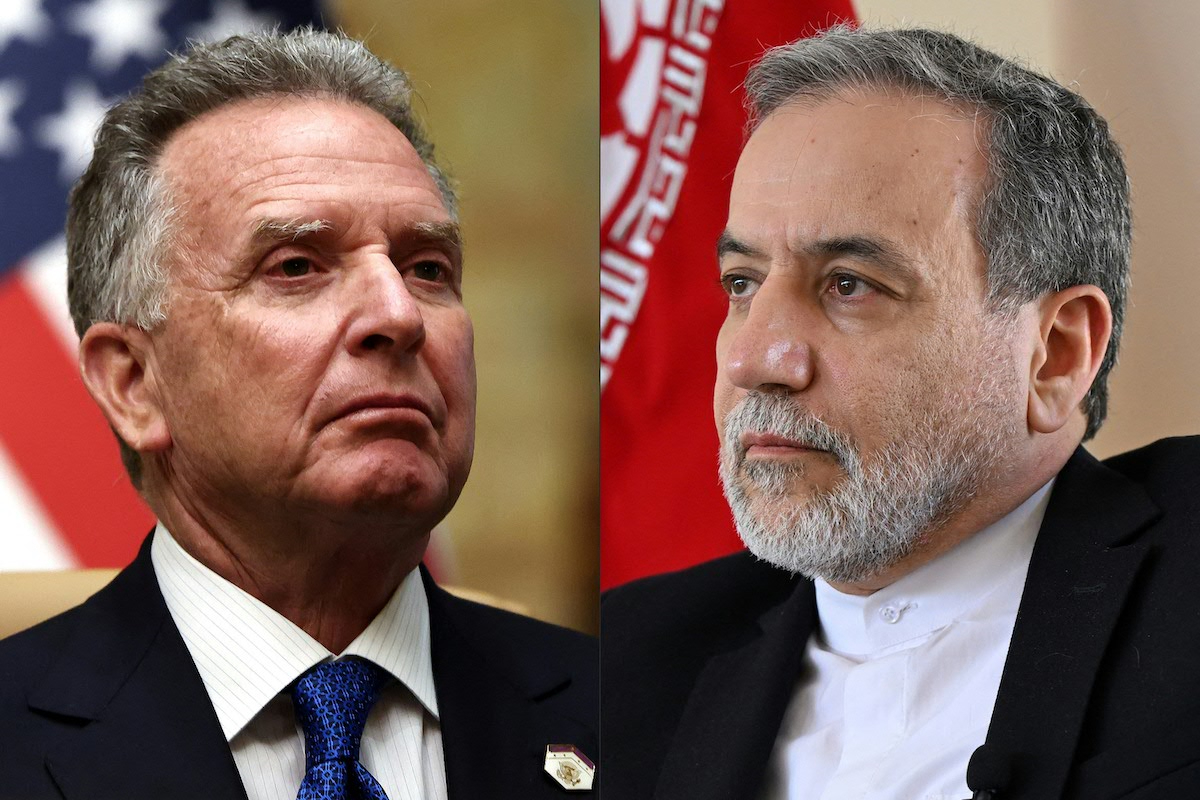
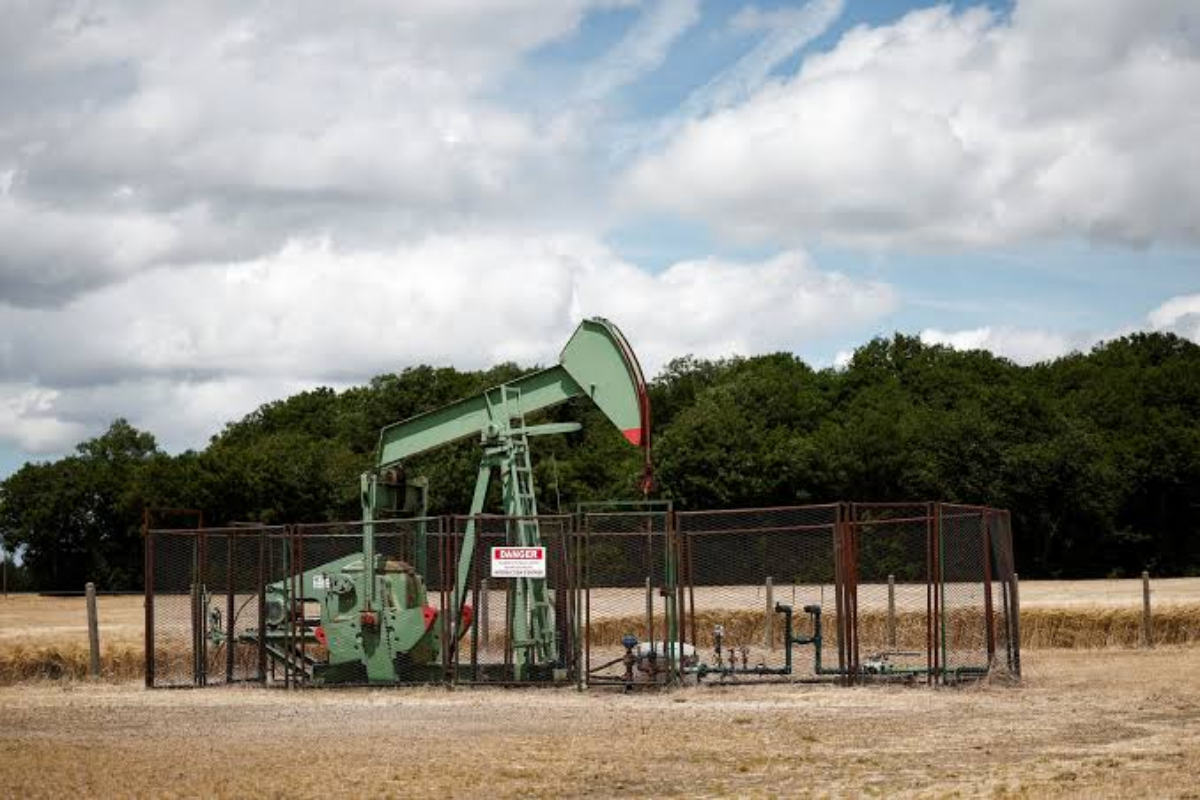
ISLAMABAD: Global oil prices fell as prospects for an extension of the Iran-U.S. ceasefire eased concerns about potential disruptions to crude supplies from the Middle East, while expectations of weaker global oil demand also weighed on the market.
Brent crude futures for October delivery fell $1.29, or about 1.5%, to $87.69 a barrel. U.S. West Texas Intermediate crude declined $1.30, or 1.6%, to $81.97 a barrel, according to market data.
U.S. President Donald Trump has also signaled that consumers could soon see a significant decline in gasoline prices, adding to expectations of lower energy costs.
Analysts said the latest decline was driven largely by concerns over weaker global oil demand in 2026 and reports of rising U.S. crude inventories. Higher inventories generally indicate increased supply availability and can put downward pressure on prices.
Investors, however, remained cautious because of continuing risks linked to the Iran conflict and the Strait of Hormuz, a critical shipping route through which a significant share of global oil supplies passes.
Any disruption to oil shipments through the Strait of Hormuz could sharply reduce global supplies and trigger another surge in crude prices. The geopolitical risks have therefore limited the extent of the recent decline.
According to Reuters, investors are closely watching forecasts for global oil demand, U.S. inventory data and developments surrounding the Iran conflict. Lower demand projections from OPEC and other energy agencies have raised concerns that global oil consumption could remain weaker than previously expected.
Market participants are also monitoring developments in the Middle East as any deterioration in the security situation could quickly reverse the recent decline in oil prices.
Analysts said demand data, U.S. crude inventories, the Iran conflict and the situation around the Strait of Hormuz are likely to remain key factors determining the direction of global oil prices in the coming days.
The latest decline should not necessarily be viewed as a sign of a sustained downward trend, as supply risks in the Middle East remain significant.