BREAKING NEWS
Advertise with us >

US–Israel intelligence collaboration led to strike on Ayatollah Khamenei’s compound

US–Israel intelligence

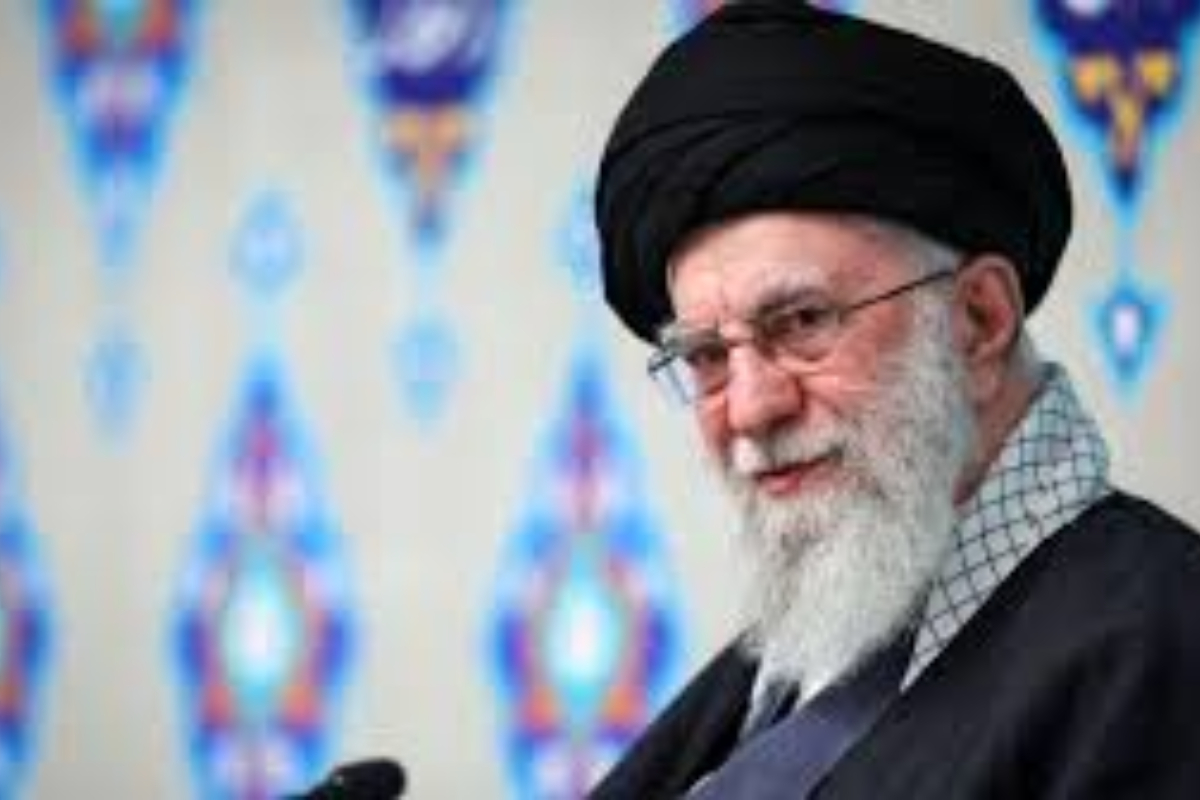
A report published by The New York Times has revealed new details about the joint US–Israel intelligence operation that targeted the compound of Iran’s Supreme Leader, Ayatollah Ali Khamenei, following months of surveillance.

According to the report, the Central Intelligence Agency (CIA) had tracked Khamenei’s movements for several months before confirming that he would attend a high-level meeting of Iran’s top leadership on the morning of February 28, 2026.

The meeting was initially scheduled for Saturday evening in Tehran. However, Israeli intelligence learned that it had been moved to the morning, prompting Israeli military commanders to advance the timing of the strikes.

The report states that the CIA shared precise intelligence regarding Khamenei’s location with Israeli authorities. Israel subsequently carried out the operation, which reportedly began at 6 a.m. local time. Nearly two hours later, long-range missiles launched by Israeli Air Force jets struck the compound in Tehran.

At the time of the attack, senior members of Iran’s national security leadership were gathered in one building, while Khamenei was located in a separate structure within the compound.

A separate report by The Wall Street Journal claimed that approximately 30 bombs were dropped during the operation.

Satellite imagery published by Reuters showed plumes of smoke rising from the compound following the strikes.

The operation reportedly resulted in the deaths of Ayatollah Khamenei and several senior Iranian officials, including Ali Shamkhani, former secretary of Iran’s Supreme National Security Council, and Mohammad Pakpour, commander of the Islamic Revolutionary Guard Corps (IRGC).

Pakistan will defend its stability at all costs, President declares

Pakistan will defend

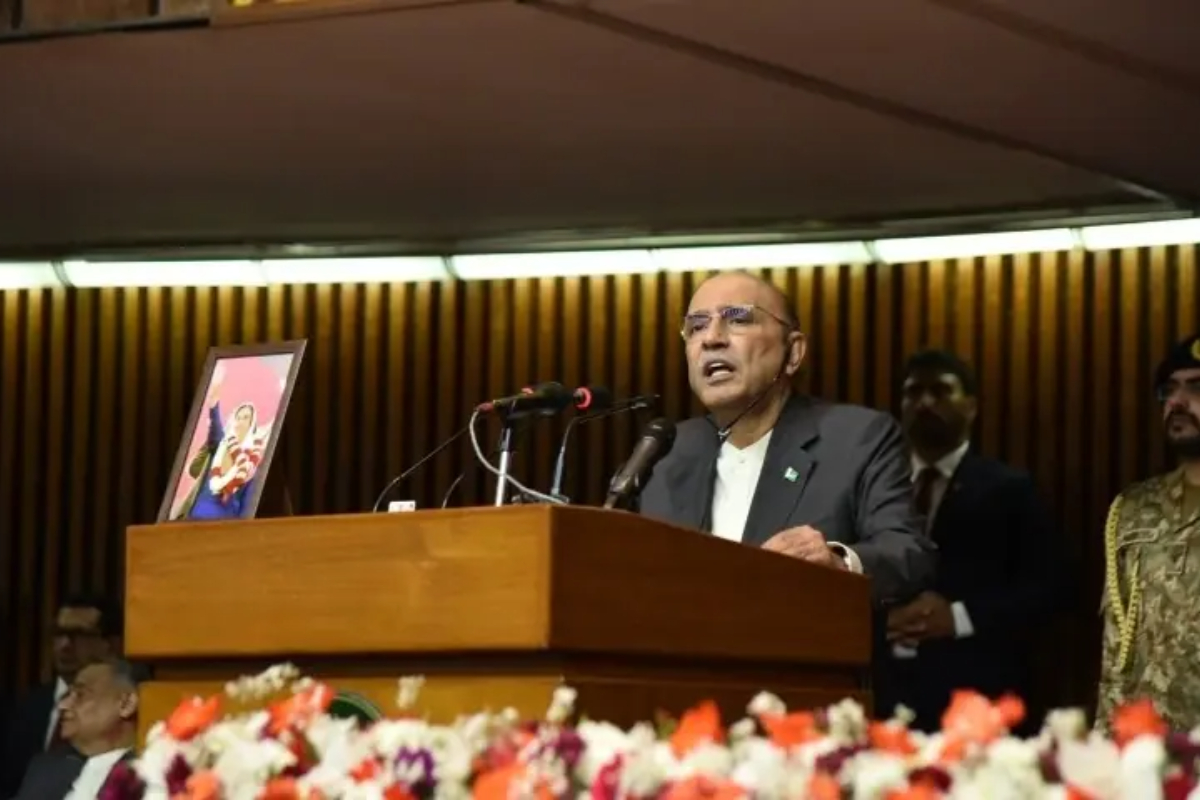
ISLAMABAD: Addressing a joint session of Parliament, President Asif Ali Zardari reaffirmed that Pakistan will not allow any domestic or foreign entity to use its soil — or that of any neighboring country — to destabilize its peace.

Calling it a “unique honor,” Zardari noted that the address marked his ninth speech to Parliament as a twice-elected president, describing such occasions as reminders of democratic continuity and constitutional responsibility.

He emphasized that nations are tested not only in times of crisis but also at critical turning points. The strength of the republic, he said, lies in the Constitution, the resilience of the people, parliamentary supremacy, responsible governance, and the morale of the armed forces. At the start of the new parliamentary year, he urged lawmakers to uphold sovereignty, constitutional rule, and economic growth.

National Security and Regional Affairs

Zardari stated that over the past ten months, Pakistan has faced complex challenges, including unprovoked attacks along both borders. He praised the armed forces for demonstrating professionalism and discipline, claiming that Indian aggression was turned into a “historic strategic victory.”

Referring to the February 26 attacks on the western border, he said the nation stood united alongside its military in countering threats. He reiterated Pakistan’s diplomatic and moral support for the people of Indian Illegally Occupied Jammu and Kashmir, asserting that lasting peace in South Asia is impossible without resolving the Kashmir dispute.

He underscored that Pakistan is a responsible nuclear state and cited Article 51 of the UN Charter as affirming the country’s right to self-defense. He also stressed continued diplomatic efforts to prevent cross-border terrorism from Afghanistan.

The president strongly condemned the conflict sparked during negotiations with Iran and called for restraint, dialogue, and peaceful resolution to prevent further regional instability.

Foreign Policy and Strategic Partnerships

Zardari highlighted expanding strategic cooperation between Pakistan and the United States, while noting that ties with China have reached new heights. He said the second phase of the China-Pakistan Economic Corridor (CPEC 2) would transform Pakistan’s infrastructure and thanked Chinese President Xi Jinping for continued support.

On Palestine, he reiterated Pakistan’s principled stance in favor of an independent Palestinian state based on pre-1967 borders. He also termed India’s suspension of the Indus Waters Treaty as “water terrorism.”

Economic Reform and Governance

Linking economic stability with national security, the president stressed the need for institutional reforms, tax system transparency, and prudent public spending. He emphasized that Pakistan cannot afford to lag in clean energy development and technological innovation.

He called for strengthening social protection programs, particularly through the Benazir Income Support Programme (BISP), to empower marginalized communities. “Security, economy, and constitutional governance are interconnected,” he said, urging unity to ensure economic gains reach ordinary citizens.

Tight Security, Opposition Protest

The session was attended by Prime Minister Shehbaz Sharif, foreign diplomats, and senior political leaders, including Punjab Chief Minister Maryam Nawaz, Sindh Governor Kamran Tessori, Khyber Pakhtunkhwa Governor Faisal Karim Kundi, and JUI-F chief Maulana Fazlur Rehman.

Extraordinary security arrangements were enforced inside and outside Parliament House, with police commandos deployed and strict checks on access routes.

As the session began, opposition members staged a protest, chanting slogans against the president, creating a tense atmosphere in the chamber.

Iran claims strikes on 14 US bases in response to US-Israel attacks

Iran claims strikes

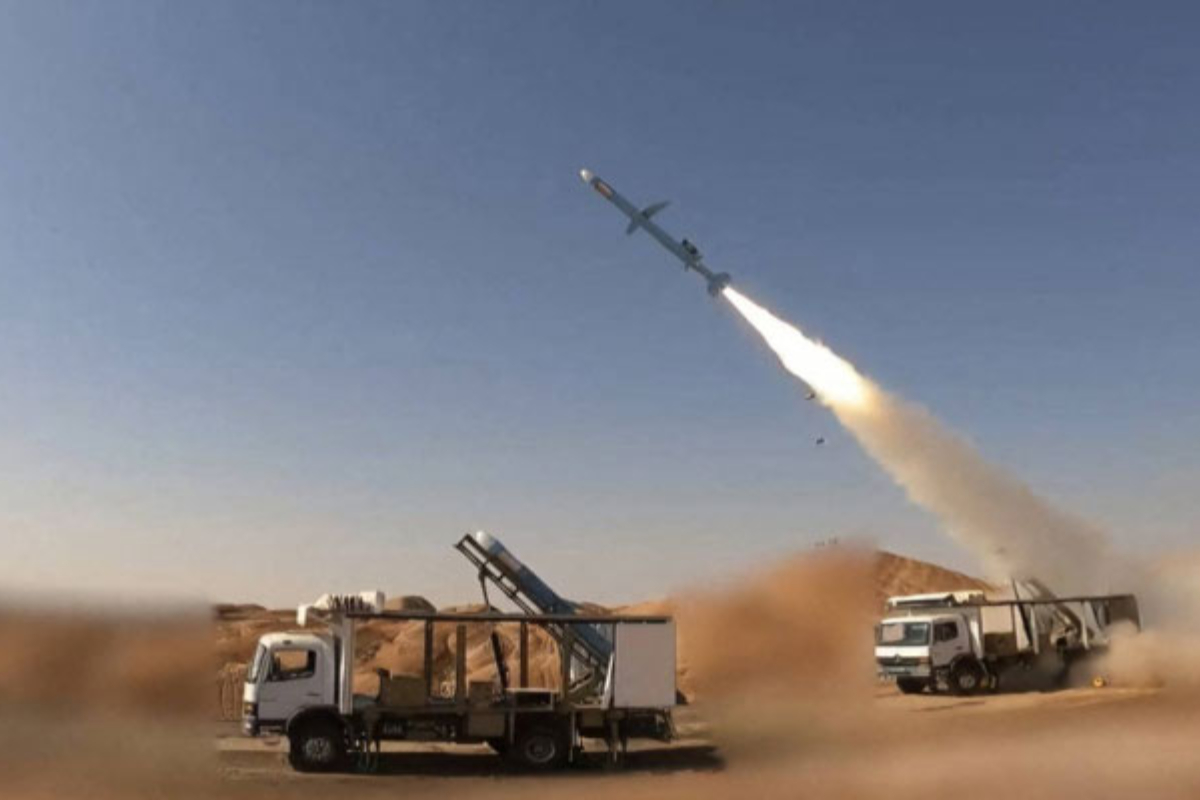
Iran’s Islamic Revolutionary Guard Corps (IRGC) has claimed that it targeted 14 US military bases in the region in retaliation for alleged attacks by the United States and Israel. According to the IRGC, “hundreds of American soldiers” were killed, though these figures remain unverified by independent sources.

The IRGC has named the operation “Operation Vadeh Sadiq 4”, describing it as a response to US and Israeli actions. Iranian state media reported that the strikes targeted US bases in Bahrain, Qatar, the United Arab Emirates, and military installations in central Israel.

An IRGC spokesperson emphasized that the military campaign is ongoing, with missile and drone attacks set to continue against perceived regional targets, calling it a fight against “American forces and the Zionist regime responsible for killing children.”

The US military, via a CENTCOM spokesperson, disputed the IRGC’s claims, stating that reports of 200 US casualties and damage to a US Navy vessel are false.

Despite conflicting reports, Iran’s IRGC reaffirmed that its operations will continue with full force, escalating tensions further in an already volatile region.

This announcement marks a significant intensification of hostilities between Iran, the United States, and Israel, with both sides closely monitoring developments.

Karan Johar says ‘There is no loyalty in Bollywood’

Karan Johar

Renowned Bollywood filmmaker and producer Karan Johar has claimed that loyalty is lacking in the Indian film industry, saying frequent agency shifts reflect growing insecurity among actors.

In a recent interview with Indian media, Johar spoke candidly about the industry and the behavior of actors within the business.

Johar stated that many actors move from one agency to another every two years because they feel insecure and fear being perceived as “stuck” in one place.

“There is no honesty in this business,” he remarked, adding that actors often switch affiliations despite long-term investments made in nurturing their careers.

Without naming anyone specifically, Johar said producers may spend two years grooming a talent, only for that individual to abruptly leave. He added that some later wish to return after finding dissatisfaction elsewhere.

According to Indian media reports, Johar’s remarks come months after actress Janhvi Kapoor reportedly moved from Dharma Productions to the Collective Artists Network.

His comments have sparked discussion within Bollywood circles about professional loyalty and long-term partnerships in the entertainment industry.

Attaullah Tarar shares latest update on Operation Ghazab-Lil-Haq

Attaullah Tarar shares

Federal Information Minister Attaullah Tarar has released the latest details regarding Operation Ghazab-Lil-Haq, outlining developments from the ongoing military campaign.

In a statement posted on social media, the minister said that 352 operatives of the Afghan Taliban regime have been killed and 535 injured during the operation so far.

Key Operational Highlights

130 Taliban check posts destroyed, with 26 captured by Pakistani forces

171 tanks and armored vehicles neutralized

41 locations inside Afghanistan effectively targeted

The minister stated that the operation continues as part of Pakistan’s broader security response, emphasizing that strategic targets have been engaged to neutralize threats and ensure national security.

Sahibzada Farhan becomes highest run-scorer in a single edition

Sahibzada Farhan

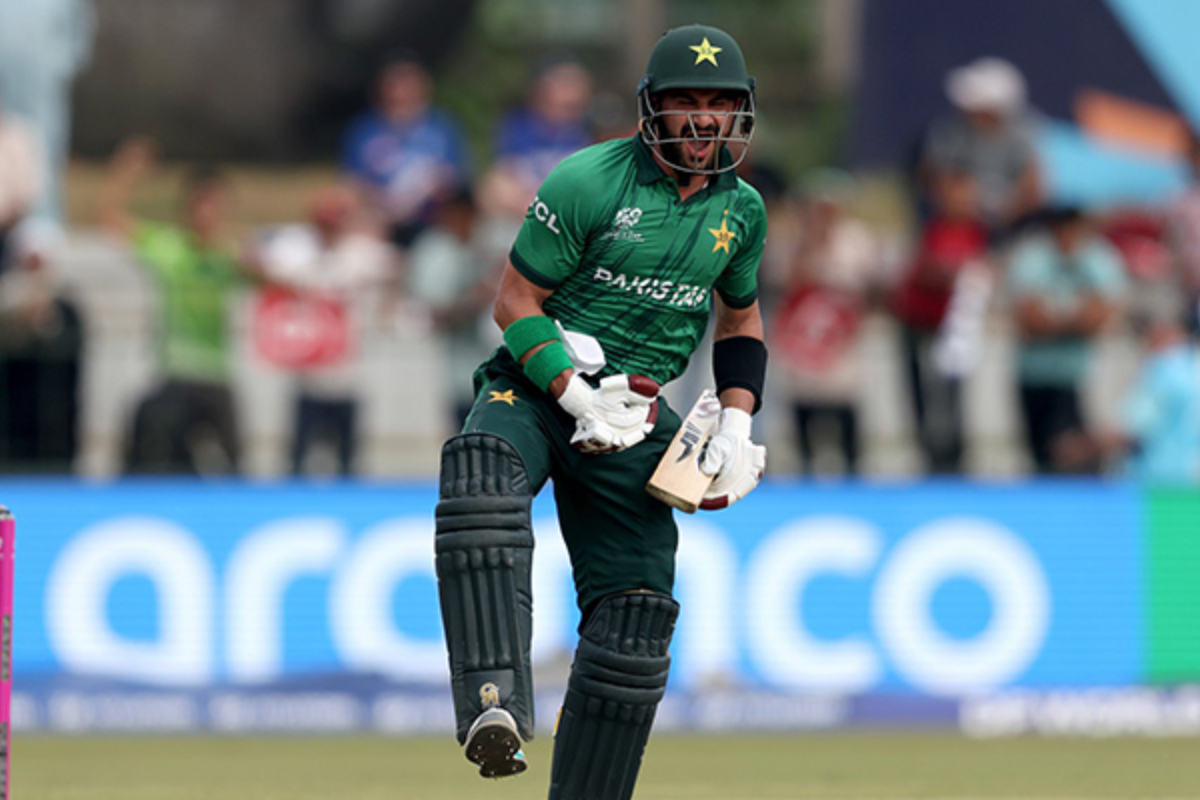
Pakistan opener Sahibzada Farhan has become the highest run-scorer in a single edition of the ICC Men’s T20 World Cup.

Farhan achieved the milestone during a crucial match against the Sri Lanka national cricket team in the 2026 tournament.

The previous record was held by Virat Kohli, who scored 319 runs in the ICC Men’s T20 World Cup.

Sahibzada Farhan has now surpassed the 319-run mark in the 2026 edition, setting a new benchmark for the most runs scored by a batter in a single T20 World Cup tournament.

The achievement highlights Farhan’s remarkable consistency and impact throughout the competition, marking a historic moment for Pakistan cricket.

Pakistan beat Sri Lanka by 5 runs but eliminated from World Cup

Pakistan beat

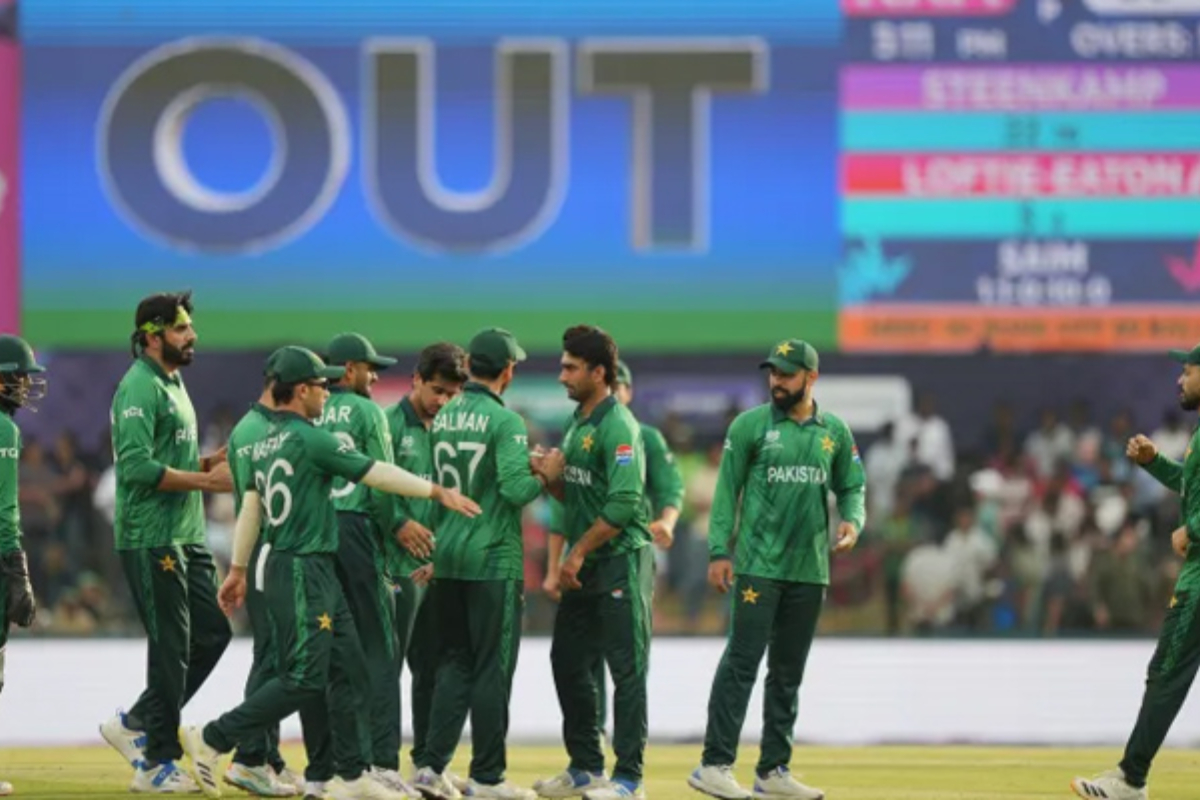
Pakistan secured a thrilling five-run victory over Sri Lanka national cricket team in the Super 8 stage of the ICC Men’s T20 World Cup 2026 in Kandy, but the win was not enough to seal a semi-final berth.

After winning the toss, the Sri Lankan captain invited Pakistan to bat first in the crucial encounter.

For the must-win match, Pakistan dropped Babar Azam, Saim Ayub and Salman Mirza from the playing XI. They were replaced by Naseem Shah, Khawaja Nafay and Abrar Ahmed.

Pakistan posted a formidable 212/8 in 20 overs, powered by outstanding knocks from Sahibzada Farhan and Fakhar Zaman.

Farhan scored a brilliant 100, while Fakhar contributed 84 runs, with the duo stitching together a record 176-run partnership.

No other batter reached double figures. Khawaja Nafay made 2, Shadab Khan 7, while Mohammad Nawaz and Salman Agha were dismissed for ducks.

This marked Farhan’s second century of the 2026 T20 World Cup, making him the first player in the tournament’s history to score two centuries in a single edition.

Sri Lanka’s Chase

Chasing 213, Sri Lanka fought valiantly and managed 207/6 in 20 overs.

Captain Shanaka led the resistance with 76 runs, while Pawan Ratnayake added 58.

For Pakistan, Abrar Ahmed claimed three wickets, while Nawaz, Naseem Shah and Shaheen Afridi picked up one wicket each.

Pakistan Eliminated Despite Victory

To qualify for the semi-finals, Pakistan needed to restrict Sri Lanka to 147 runs or fewer to boost their net run rate. However, the bowlers were unable to achieve the required margin, resulting in Pakistan’s elimination.

From Group 2, New Zealand national cricket team advanced to the semi-finals with three points and a superior net run rate, while England cricket team had already secured their place in the final four.

Despite the dramatic win, Pakistan’s World Cup campaign came to an end at the Super 8 stage.

Eating vegetables linked to lower risk of multiple Cancers

Eating vegetables

London: A new study from Oxford University suggests that including vegetables in your daily diet can significantly reduce the risk of developing several types of cancer.

The research followed over 1.8 million participants for several years, examining their health and dietary habits, and analyzed how different eating patterns impacted the risk of 17 types of cancer.

Participants were grouped based on their diets: those who ate vegetables regularly, those who preferred poultry over red meat, fish eaters, and strict vegetarians. The study also accounted for other cancer risk factors such as body weight and smoking.

Key findings include: Pancreatic cancer risk reduced by 21% among regular vegetable eaters, bladder cancer risk reduced by 12%, breast cancer risk reduced by 9%,kidney cancer risk was 28% lower in vegetable lovers compared to meat-eaters and bone marrow cancer risk reduced by 31%

Researchers noted that these results are encouraging for those who enjoy vegetables, showing a lowered risk for at least five major types of cancer.

However, the study also found that a vegetable-only diet may increase the risk of certain cancers. For example, gastrointestinal tract cancers and intestinal cancer risk rose by up to 40%, potentially due to insufficient intake of B vitamins and calcium typically obtained from meat.

The researchers emphasized that while vegetables are protective against many cancers, balanced nutrition remains essential, and further studies are needed to confirm these findings.

PM briefed on current Pakistan-Afghanistan tensions during GHQ visit

PM briefed

Prime Minister Shehbaz Sharif visited General Headquarters (GHQ) and met with military leadership, including Field Marshal Syed Asim Munir, Chief of Defense Forces.

During the meeting, the Prime Minister received a detailed briefing on the current Pakistan-Afghanistan border situation. He emphasized adopting a zero-tolerance approach toward collusion between Fitna‑al‑Khawarij and the Afghan Taliban regime, calling their hostile actions unacceptable.

PM Shehbaz Sharif stated that under the leadership of the Chief of Army Staff and the Chief of Defense Forces, the Pakistan Army remains fully prepared to protect the country and is well-equipped to defend against any aggression.

He commended the armed forces for repelling attacks in Afghan border areas and praised their professional capabilities in carrying out effective countermeasures.

The Prime Minister affirmed that the entire nation stands shoulder to shoulder with Pakistan’s brave armed forces, recognizing their role in safeguarding the homeland and defending the country from cross-border threats.

ISPR confirms significant Taliban caualties in Operation Ghazab‑Lil‑Haqq

ISPR confirms

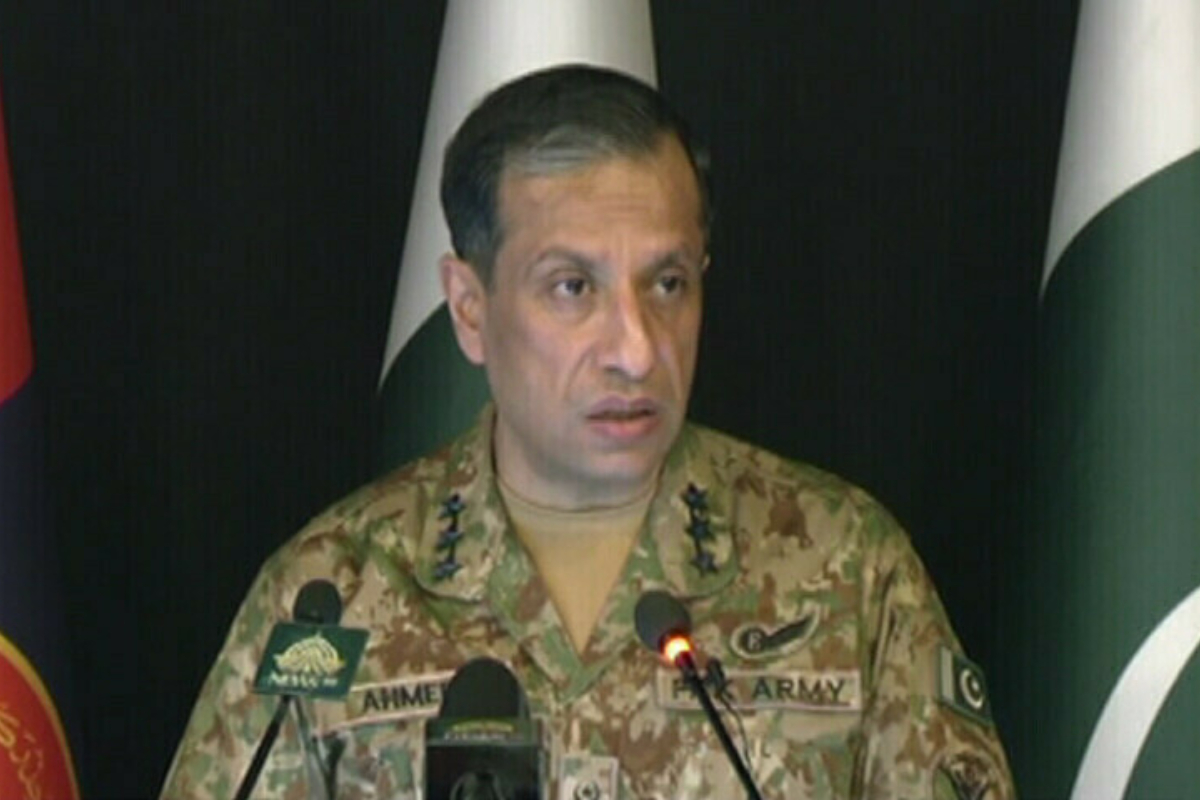
ISLAMABAD: Director General of Inter-Services Public Relations (ISPR), Lieutenant General Ahmed Sharif Choudhry provided a detailed briefing on Pakistan’s Operation Ghazab‑Lil‑Haqq, emphasizing that there is no distinction between the Afghan Taliban regime and terrorist groups, and that the operation is aimed at protecting civilians.

Lt Gen Choudhry stated that on the nights of 21 and 22 February, Pakistani forces targeted hideouts of the militant group Fitna‑al‑Khawarij near the border. He said the Afghan Taliban regime used this as a pretext to launch attacks.

According to ISPR, the Taliban carried out firing at 53 locations across 15 sectors along the Pakistan-Afghanistan border, all of which were repelled by Pakistani forces with strong countermeasures.

Key outcomes of the operation, as shared by Lt Gen Choudhry, include: 274 Taliban personnel killed and over 400 injured, 74 Taliban posts completely destroyed, 18 enemy checkposts captured by Pakistan, 115 enemy tanks and armored vehicles destroyed and 12 Pakistani soldiers martyred and 27 wounded.

He further reported that 22 hideouts of Fitna‑al‑Hindustan and Fitna‑al‑Khawarij were targeted, with precision strikes on Taliban objectives in Kabul, Paktia, and Kandahar. The operation strictly targeted military assets, destroying terrorist shelters and weapons depots, while militants fled leaving casualties behind.

The ISPR DG highlighted that the Pakistan Air Force struck the Infantry Brigade Headquarters in Kabul, with nighttime explosions visible globally, and also destroyed a brigade headquarters in Kandahar.

Lt Gen Choudhry reiterated: “The Afghan Taliban regime and terrorists are one and the same. The world recognizes that Operation Ghazab‑Lil‑Haqq is conducted for the protection of our citizens.”

He concluded by stating that the operation continues under the direction of the Prime Minister and will proceed until all objectives are achieved.