
BREAKING NEWS
Advertise with us >

Protests Erupt in Kashmir as Citizens Demand Economic Rights and Political Reforms

Protesters in Kashmir demanding economic rights and reforms

Awami Action Committee Leads Protests in Kashmir Over Rising Prices and Joblessness

According to reports, the AAC – a coalition of local political and social groups – mobilized large crowds calling for an end to special refugee-reserved seats in the legislative assembly, improved economic opportunities, and urgent governance reforms. Protesters accused the federal government, led by Prime Minister Shehbaz Sharif, of turning a blind eye to the worsening situation on the ground.

Kashmir Residents Rally for Economic Rights, Jobs, and Political Reforms

Chanting slogans for justice, demonstrators blocked roads and staged sit-ins, voicing their anger against skyrocketing prices of essential commodities, joblessness, and stalled infrastructure projects. “Our youth have no jobs, our families cannot afford daily necessities, and our voices are not heard in the system,” one protester told local reporters.

Political analysts warn that these demonstrations reflect a deeper frustration that has been brewing for years. “The grievances are not new – economic disparity, lack of employment, and governance gaps have long fueled dissatisfaction. Unless concrete steps are taken, the protests could escalate further,” commented a senior analyst.

The federal government has yet to release an official statement, but insiders suggest that top officials are monitoring the situation closely. Observers believe Islamabad will need to initiate dialogue with local leaders and offer visible relief measures to restore calm.

Over the past few years, Kashmir has seen repeated waves of unrest over electricity shortages, taxation issues, and poor service delivery. However, today’s demonstrations stand out for their scale, signaling mounting frustration that could pressure the central government to take urgent corrective action.

For now, the region remains tense, with residents waiting to see whether the authorities will respond through dialogue and reforms – or opt for stricter enforcement measures.

India Refuses Asia Cup 2025 Trophy From ACC / PCB Chief, Sparks Major Controversy

India Refuses Asia Cup 2025 Trophy From ACC / PCB Chief – Full Controversy Explained

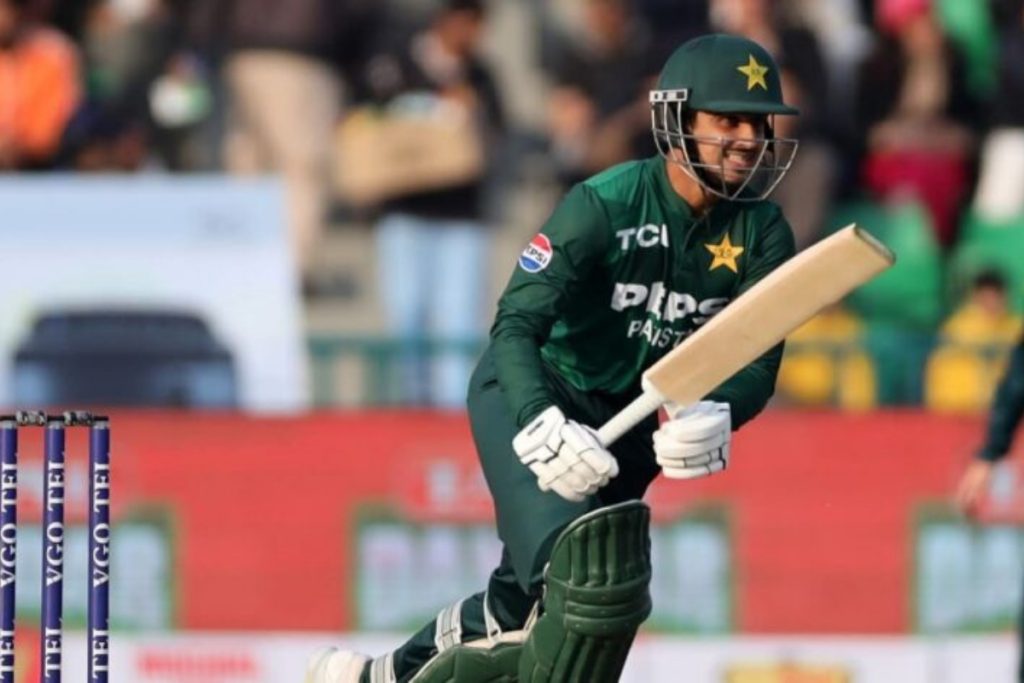
The Asia Cup 2025 final ended not only with India defeating Pakistan by 5 wickets, but also with a dramatic controversy that has now become the talking point of world cricket.


In an unprecedented move, the Indian cricket team refused to accept the Asia Cup trophy from Mohsin Naqvi, who is currently serving as both Asian Cricket Council (ACC) President and Pakistan Cricket Board (PCB) Chairman. The decision overshadowed India’s victory celebrations and has raised serious questions about politics and sports clashing once again..

India Refuses Asia Cup 2025 Trophy From ACC / PCB Chief – Full Controversy Explained

Trophy Ceremony Drama

The trophy presentation ceremony in Dubai was delayed and later concluded without the winning side formally lifting the cup. India’s captain Suryakumar Yadav told media that his team was effectively “denied the trophy,” calling the situation “unbelievable in international cricket.”

Indian players did receive their individual awards like Player of the Match and Player of the Tournament, but there was no acknowledgment of Naqvi during the ceremony. The Board of Control for Cricket in India (BCCI) later confirmed it will register a formal protest with the International Cricket Council (ICC) against Naqvi’s role in the event.

India’s Strong Response

The BCCI announced a ₹21 crore cash reward for the team, independent of the Asia Cup prize money, signaling that India considers the victory legitimate despite the missing trophy. Meanwhile, BCCI officials said they would push the ICC to ensure such situations are not repeated in future tournaments.

Pakistan’s Reaction

On the other side, Pakistan expressed disappointment over India’s decision. Pakistan captain Salman Agha accused India of “disrespecting cricket traditions,” while former captain Shoaib Malik warned that the move would “haunt India” in future competitions.

Political Tensions Spill Into Cricket

This controversy did not emerge overnight. Throughout the Asia Cup, Indian players avoided handshakes with Pakistani counterparts, reflecting the tense political climate between the two nations. Earlier this year, military skirmishes had already strained relations, and this latest episode shows how politics continues to influence the cricketing stage.

What’s Next?

The ICC is expected to review the matter in its next meeting. For now, India’s win on the field remains undisputed, but the trophy refusal has sparked a debate on whether cricket administrators should keep political rivalries out of sporting traditions.

Exercise Impact on Health: Unlocking the Power of Movement

Woman lifting weights to improve strength and prevent disease.

When we think of maintaining good health, exercise and physical activity often come up—but their true impact on the body and mind is deeper and more powerful than many realize. Modern research is revealing how regular movement can reshape our lifespan, mental wellness, and disease risk in profound ways.

Why Movement Matters: The Big Picture

The World Health Organization (WHO) underscores that regular physical activity is crucial to preventing and managing noncommunicable diseases such as cardiovascular disease, type 2 diabetes, and some cancers. World Health Organization In fact, people who are insufficiently active have a 20–30% higher risk of death compared with those meeting activity guidelines. World Health Organization Sedentary behavior—long periods of sitting or inactivity—is independently linked with higher mortality, even for those who exercise sometimes. World Health Organization

How Much Exercise Is Enough?

Current guidelines suggest adults aim for 150–300 minutes per week of moderate-intensity activity, or 75–150 minutes of vigorous-intensity activity (or a mix), plus muscle-strengthening exercises on two or more days. American Heart Association+3World Health Organization+3National Institute on Aging+3 Interestingly, new research shows that going 2 to 4 times beyond the minimum moderate activity recommendations is associated with 26–31% lower all-cause mortality, and 28–38% lower cardiovascular mortality. American Medical Association Also, the “weekend warrior” pattern—concentrating your weekly activity into one or two days—can provide similar longevity benefits, so long as the total intensity and volume are met. American Heart Association

Cardiovascular & Metabolic Benefits

One of exercise’s most robust impacts is on heart and metabolic health. Routine physical activity helps lower blood pressure, improve lipid profiles (cholesterol), reduce insulin resistance, and maintain a healthy body weight. National Institute on Aging+2American Heart Association Journals+2 It also promotes healthier endothelial function (the lining of blood vessels), which supports better circulation. American Heart Association Journals Over time, these changes translate into a lower risk of coronary artery disease, stroke, and type 2 diabetes.

Brain, Cognition & Mental Health

Exercise isn’t just for the body — it’s a boon for the brain. Physical activity boosts memory, learning, attention, and slows cognitive decline. CDC It may even reduce the risk of dementia. In a recent study, doing as little as 35 minutes per week of moderate-to-vigorous activity (compared with none) was associated with a 41% lower risk of developing dementia over ~4 years. Johns Hopkins Public Health Similarly, short bursts of activity can improve executive function, sleep quality, and mood. arXiv

On mental health, regular exercise can help reduce symptoms of depression and anxiety, promote stress resilience, and improve sleep. National Institute on Aging+1 Some immediate benefits include lowered blood pressure, reduced anxiety, and better sleep quality right after a workout. National Institute on Aging

Strength, Balance & Functional Ability

Especially important as we age, strength training and balance exercises help maintain muscle mass, bone density, and reduce fall risk. National Institute on Aging Loss of muscle (sarcopenia) and lowered functional ability are major contributors to frailty in later years. Exercise helps preserve independence and mobility. National Institute on Aging Resistance training also offers a 10–17% reduction in all-cause mortality risk when combined with aerobic activity. Wikipedia

Even Small Amounts Help

The good news: you don’t need to go to extremes to reap benefits. Some recent studies suggest that just 5 minutes per day of activity can meaningfully reduce dementia risk. Johns Hopkins Public Health And “weekend warriors” (doing exercise in a couple of big bursts) show mortality benefits close to those who spread it out. American Heart Association Even shorter high-intensity bursts (e.g. stair climbing) can help the heart. The Guardian+1

Tips to Maximize Health Impact from Exercise

  • Mix intensities & types: combine aerobic (walking, cycling), strength (weights or bodyweight), and flexibility or balance work.
  • Start where you are: any movement is better than none — build up gradually.
  • Be consistent: consistency over time matters more than extreme effort irregularly.
  • Minimize sedentary time: break up long sitting periods with short activity.
  • Listen to your body: recover, rest, avoid injury.
  • Make it enjoyable: hobbies, group classes, active commuting — pick things you like.

Conclusion

Exercise (or physical activity) has profound, multi-dimensional impacts on health. By lowering disease risks, improving mental health and cognition, and supporting longevity, it is one of the most powerful “medicines” available. The trick is to make movement a habit — even small, consistent efforts deliver big returns. Let me know if you’d like a version tailored to Pakistani lifestyle, or translated, or more emphasis on diet + exercise.

How to Start an Online Business: A Beginner’s Guide

Step-by-step guide to starting an online business for beginners

Starting an online business is one of the best ways to earn money, achieve independence, and reach a global audience without heavy startup costs. In today’s digital world, almost anyone can build an online business with the right idea and strategy. Here’s a step-by-step guide to help you get started.

1. Choose Your Business Idea

The first step is identifying what you want to sell. Your business could be based on products, services, or digital goods. For example:

  • Products: Clothes, handmade crafts, gadgets.
  • Services: Graphic design, online tutoring, consulting.
  • Digital goods: eBooks, courses, templates.

Choose an idea that matches your skills and interests while solving a problem for your target audience.


2. Decide Your Business Model

Different models suit different entrepreneurs:

  • E-commerce stores using platforms like Shopify, WooCommerce, or Daraz.
  • Freelancing on websites like Fiverr and Upwork.
  • Affiliate marketing, where you earn by promoting other people’s products.
  • Content creation (YouTube, blogging, or podcasts).

3. Build Your Online Presence

A strong online presence builds trust and credibility. Start with a professional website and social media pages. Tools like WordPress, Wix, or Shopify make it easy to launch your store without coding. Use social platforms like Instagram, Facebook, and TikTok to showcase your business and connect with customers.

4. Set Up Payment and Delivery

Make it easy for customers to pay you. Depending on your country, integrate payment gateways like PayPal, Stripe, or local bank transfers. If you’re selling physical products, plan your shipping and delivery process. For services or digital products, set up automatic delivery systems to save time.


5. Market Your Business

Marketing is key to growth. Use social media marketing, email campaigns, and even paid ads to attract customers. Collaborate with influencers or run special promotions to build awareness. Remember, consistency is more important than perfection.


Final Thoughts

Starting an online business doesn’t require huge investment—it requires commitment, creativity, and patience. Begin with a simple idea, test it, and improve as you go. With the right plan and persistence, you can turn your online business into a long-term source of income and financial freedom.