
BREAKING NEWS
Advertise with us >

Meta CEO predicts AI-powered smart glasses as future

Meta CEO predicts

Meta CEO Mark Zuckerberg has called AI-powered smart glasses the next big innovation, likening their potential impact to the advent of smartphones.

Speaking during Meta’s quarterly earnings report, Zuckerberg said the company is accelerating the development of AI wearable devices and AI models.

He highlighted that billions of people worldwide rely on glasses or contact lenses, and AI-enabled smart glasses could soon become a daily necessity.

Zuckerberg explained, “When flip phones were replaced by smartphones, it became unimaginable to go back. Similarly, in the coming years, it will be hard to imagine most people not using AI glasses.” He noted that Meta’s smart glasses sales tripled in 2025, signaling growing consumer interest.

This is not the first time Zuckerberg has expressed bold predictions about emerging tech. Previously, he envisioned people working and socializing in the metaverse, a scenario that has not yet materialized.

However, current investments and development efforts by companies suggest that AI glasses could become widely popular in the coming years—though whether they will match the popularity of smartphones remains uncertain.

Other tech giants are also entering the market: Google is expected to launch smart glasses in 2026, while Apple plans to introduce its own models within the next one to two years.

Snap Inc., the parent company of Snapchat, is forming a subsidiary focused on AR glasses, and even AI-focused firm OpenAI is exploring wearable devices such as AI earbuds and AI pens.

Currently, Meta leads the smart glasses market, offering several models already available to consumers. The coming years could see a surge in AI-enabled wearables as companies race to redefine how we see and interact with the digital world.

Meta’s Threads surpasses Elon Musk’s X in daily mobile users

Meta’s Threads

CALIFORNIA:  Meta’s social media app Threads has overtaken Elon Musk’s X in daily mobile usage, according to a recent report.

In January 2026, Threads recorded 141.5 million daily users on iOS and Android devices, surpassing X, which had 125 million daily mobile users.

 Over the past year, Threads’ daily user base has steadily increased, while X has seen a gradual decline in mobile engagement.

Both platforms were roughly equal in user numbers during the fall of 2025, but Threads has now pulled ahead, aided by Meta encouraging Facebook and Instagram users to adopt the platform.

The report noted that while Threads has surpassed X on mobile, X maintains a significant lead on its web version.

Threads’ web daily users reached only 8.5 million in January, compared to 145 million daily users on X’s web platform.

Australia closes 4.7 million social media accounts following under-16 ban

Australia

Canberra: Following Australia’s groundbreaking ban on social media use for children under 16, platforms have reportedly closed 4.7 million accounts belonging to minors across the country.

The action comes just one month after the law came into effect on 10 December 2025, reflecting the swift and wide-ranging impact of the regulation.

According to Al Arabiya Urdu, Australia’s eSafety agency confirmed that social media companies have removed nearly 4.7 million accounts to comply with the new law.

Reuters reported that some platforms began deleting accounts weeks before the official enforcement date, in anticipation of the restrictions.

These figures represent the first official data on compliance, indicating that companies are taking serious measures to adhere to the law.

Violations of the law could result in fines of up to AUD 49.5 million (USD 33 million) for companies, though children and their parents are not held responsible.

The total number of removed accounts has exceeded earlier estimates based on population data. Previously, Meta disclosed that it had removed approximately 550,000 accounts of minors from Instagram, Facebook, and Threads.

XPeng unveils SUV that can cover 1,058 miles without stopping

XPeng unveils SUV

Beijing: Automakers worldwide are increasingly focusing on environmentally friendly fuels as alternatives to conventional energy sources, with electric vehicles (EVs) leading the charge.

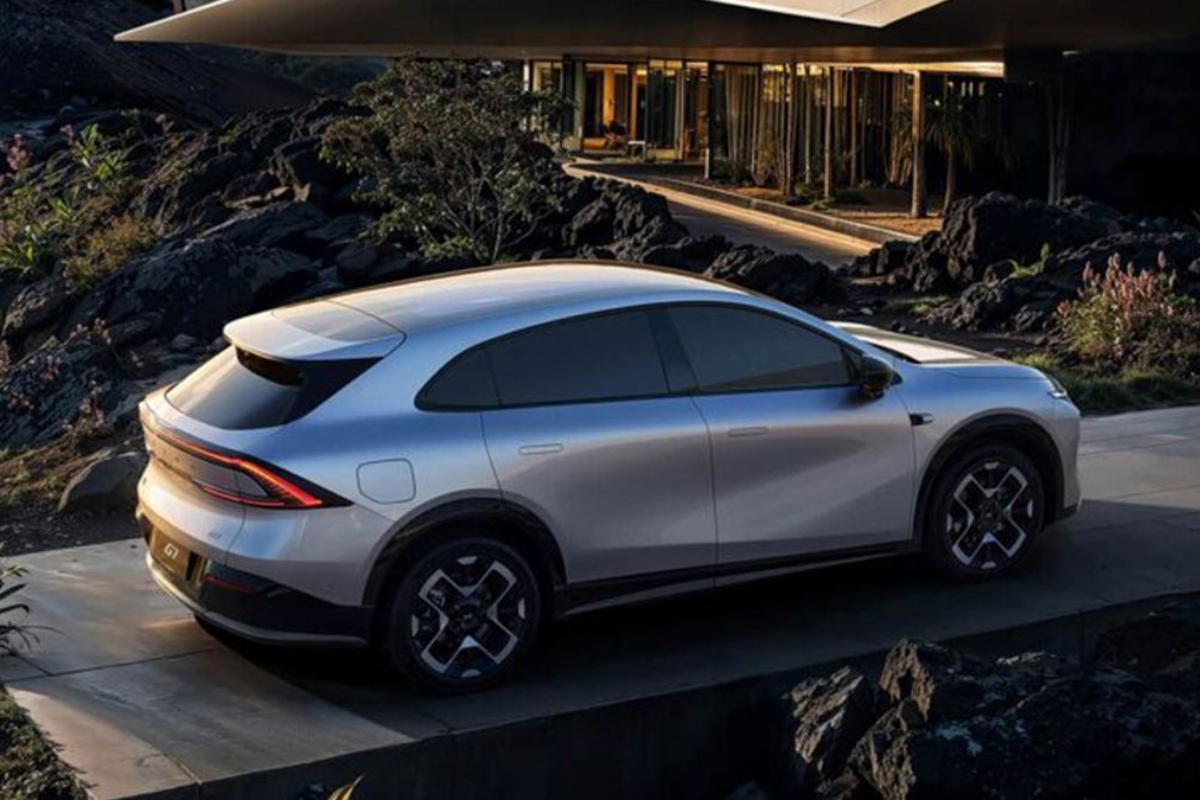
Chinese company XPeng has now introduced a breakthrough: the G7 SUV, an electric hybrid capable of traveling up to 1,058 miles on a single charge.

The G7 SUV features a 55.8 kWh battery pack paired with a small petrol engine, supported by a 60-liter fuel tank.

Unlike traditional hybrid systems that rely on small battery packs and electric motors, the G7 combines its battery and petrol engine to recharge the battery during travel, significantly extending the driving range.

According to the company, the vehicle can travel distances equivalent to Beijing to Shanghai—or roughly Karachi to Lahore—without stopping.

Alongside the G7 SUV, XPeng also unveiled the P7 Plus sedan, which employs a similar super-extended range technology.

The sedan’s battery allows 267 miles per single charge, with a total range of 963 miles when combining battery and petrol usage.

Pricing for the G7 SUV is set at CNY 195,800, while the P7 Plus sedan starts at CNY 180,800.

XPeng plans to market these vehicles outside China, targeting Europe, Southeast Asia, the Middle East, and Africa, positioning them as competitors to Tesla in the global EV market.

This development underscores the rapid advancements in hybrid and extended-range electric vehicles, offering consumers both eco-friendly driving and unprecedented travel distances on a single charge.

Fresh smartphone rankings reveal strong entry of new devices

Fresh smartphone

No change has been observed in the top three positions of the trending smartphones list during the second week of 2026. However, several new smartphones have successfully secured places in the top ten rankings.

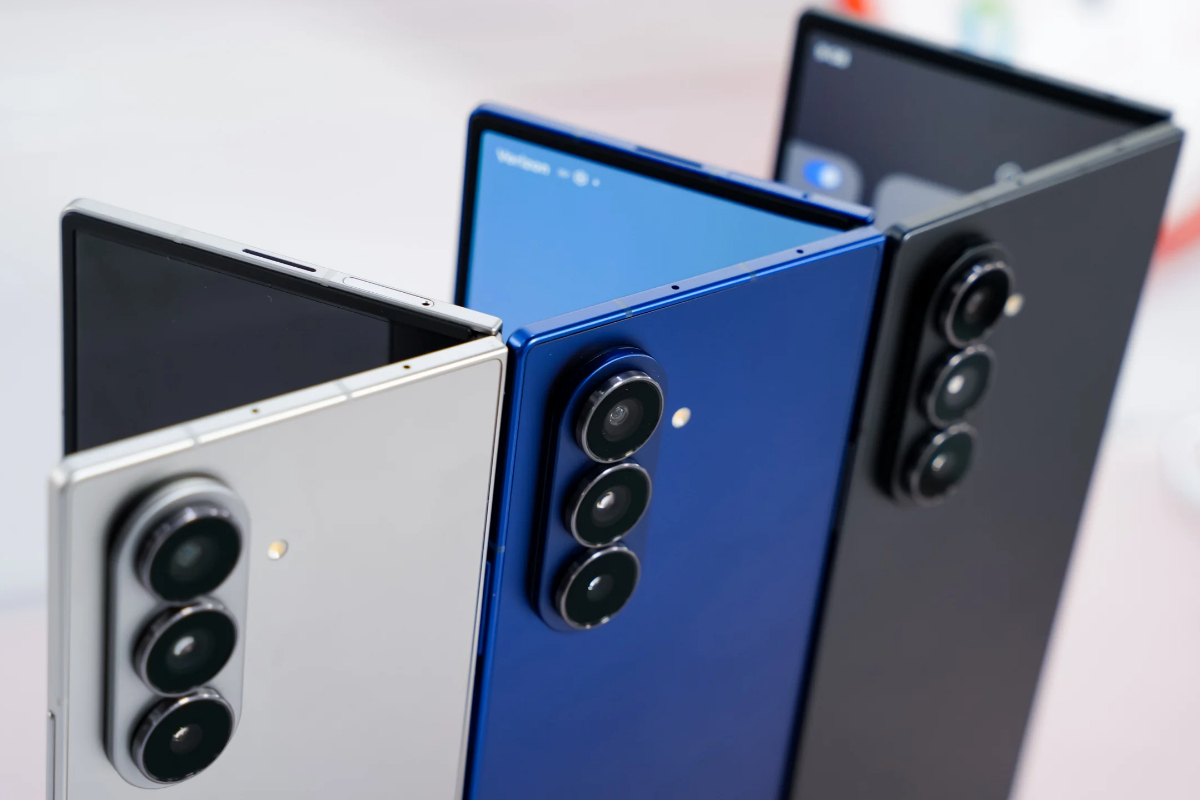
According to the list of trending devices for the first week of the new year, Xiaomi 17 Ultra 5G continues to hold the top position, followed by Samsung Galaxy A56 in second place and Samsung Galaxy S25 Ultra in third.

Among the new entrants, Xiaomi Poco M8 Pro has claimed the fourth position, while Realme 16 Pro+ 5G secured fifth place. Apple iPhone 17 Pro Max stands at number six on the list.

Meanwhile, Xiaomi Redmi Note 15 Pro+ 5G is ranked seventh, Motorola Signature (new entry) occupies the eighth spot, Samsung Galaxy A17 5G is placed ninth, and Xiaomi Redmi Note 15 5G (new entry) rounds out the list at number ten.

The latest rankings highlight continued dominance by established brands, alongside growing interest in newly launched devices among consumers.

Autonomous Robo-car now available for public purchase

Autonomous Robo-car

Self-driving vehicles are currently limited to a few countries and mainly offered through ride-sharing services. However, those who wish to own a car capable of autonomous driving—with minimal steering involvement—may soon have that option.

At the Consumer Electronics Show (CES) in Las Vegas, the company Tenser unveiled its new self-driving robo car designed for everyday consumers.

According to the company, the car can be driven manually as well. When seated in the driver’s position, a touch-screen display allows the steering wheel, brake pedals, and other controls to appear at the push of a button. In autonomous mode, the steering wheel is concealed inside a side screen on the driver’s seat.

The vehicle is equipped with dozens of microphones that enable passengers to give voice commands, such as adjusting the air conditioning or rolling down windows. Each passenger will have access to their own screen, with a total of four displays inside the car. Cameras mounted above each display also provide video call functionality. Passengers in the driver’s seat can interact with these features even while the car is in autonomous mode.

For safety and navigation, the car includes cameras, LiDAR, radar, and ultrasonic sensors that detect objects and help plan the route. Small external displays are installed at each corner of the car to signal pedestrians when it is safe to cross the street.

The robo car will be available in silver and black. While the company has not yet disclosed the price, it confirmed that the vehicle will be released to consumers later this year, initially in the United States, Europe, and the United Arab Emirates.

India expelled from global tech alliance PAX SILICA

PAX SILICA

NEW DELHI: India has been removed from the global technology alliance PAX SILICA, a move that has sparked criticism from the Indian opposition, according to news agencies.

Opposition leaders have raised questions over India’s exclusion from the digital alliance, describing it as a major diplomatic and technological setback for the Modi government on the global stage.

Speaking on the issue, opposition leader J. Ram Ramesh linked the expulsion to India’s defeat by Pakistan in May, calling it a key reason for the country’s international embarrassment.

He further remarked that India’s removal from PAX SILICA by the United States after May 10 was not entirely surprising.

PAX SILICA is a global initiative aimed at establishing a secure and reliable silicon supply chain with trusted allies.

Analysts say India’s exclusion could have implications for its access to advanced technology and international collaborations.

Pakistan to launch AI-based app to prevent illegal immigration

Pakistan

ISLAMABAD: The government of Pakistan has decided to tighten measures against individuals traveling abroad on fake documents.

A high-level meeting chaired by Interior Minister Mohsin Naqvi and Minister for Overseas Pakistanis Chaudhry Salik Hussain resulted in several key decisions.

Authorities resolved to make the issuance of Protector documents foolproof and implement reforms in the immigration system to facilitate travelers. Federal ministers have been asked to submit final recommendations within seven days.

The meeting also directed a crackdown on individuals and agent networks involved in the fake visa trade.

Interior Minister Mohsin Naqvi announced the launch of a pilot AI-based app to prevent illegal immigration, stating that the system will identify who is eligible to travel and who is not.

He emphasized a zero-tolerance policy against fake visas and agent mafias, ensuring that deported individuals cannot obtain new visas once their passports are canceled. Additionally, a standardized international driving license will be issued through the National Police Bureau.

Mohsin Naqvi highlighted that illegal travel harms Pakistan’s global reputation, and the immigration reforms aim to facilitate citizens while improving the country’s international standing.

Minister for Overseas Pakistanis Chaudhry Salik Hussain stressed that labor visa holders must possess authentic documents and assured full support from the ministry to strengthen the Protector and immigration systems.

Pakistan to set up Federal Cyber Security Authority

Pakistan

ISLAMABAD: The government has resolved to establish a Cyber Security Authority at the federal level to bolster national digital security.

As per available information, the Ministry of Information Technology has finalized the preliminary draft of the Cyber Security Act and circulated it among key stakeholders for their feedback and consultation.

The Ministry stated that the National Cyber Security Policy provides a nationwide framework for digital security, and its implementation is underway under the Digital Economy Enhancement Program.

The IT Ministry document said that progress has been made on Secure Data Exchange Layer, Digital Identity projects, while data from National Database and Registration Authority (NADRA), Federal Board of Revenue(FBR) and Telecom have been identified as critical digital infrastructure.

According to officials, the authority will recommend cyber security measures for critical national infrastructure while the Cyber ​​Security Authority will implement cyber security measures in the country.

UK car theft hits 119,000 as thieves exploit keyless systems

UK car

LONDON: More than 119,000 cars were reported stolen in the United Kingdom in 2024, averaging nearly 320 vehicles per day, according to international news agencies.

Authorities attribute the surge largely to modern keyless car technology, which allows thieves to intercept electronic signals and steal vehicles within minutes using specialized devices.

In response, the UK government has introduced stricter laws. Possessing or sharing such electronic devices is now considered a criminal offense, punishable by up to five years in prison.

The rise in vehicle theft has sparked concerns among car owners, prompting calls for enhanced security measures and public awareness campaigns regarding keyless entry vulnerabilities.

Meanwhile,  UK Office for National Statistics (ONS) has released data showing that 257,000 British citizens left the country in 2024.

Media reports indicate that the UK’s net migration last year was 20% lower than expected, with December 2024 figures dropping to 34,500.

Previously, net migration estimates were based on international passenger surveys, but the ONS now uses revised calculations derived from Department for Work and Pensions data.

The report also highlighted an increase in citizens returning to the UK, with the number of returnees reaching 143,000.

Experts say the trends reflect changing migration patterns and could influence future policymaking regarding workforce, social services, and residency planning.