
BREAKING NEWS
Advertise with us >

Pakistan played key diplomatic role in bringing US, Iran to talks

Pakistan played

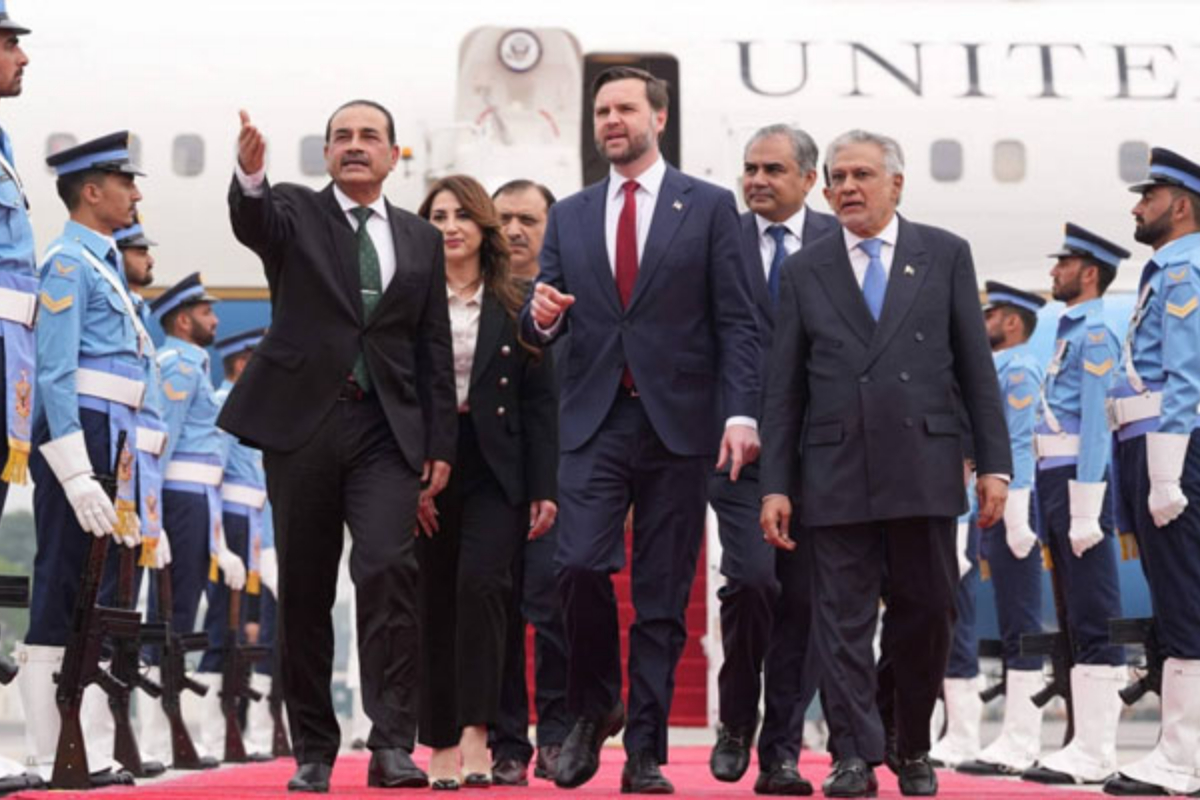
ISLAMABAD: Pakistan played an important mediating role in reducing tensions between the United States and Iran by helping bring the two countries to the negotiating table, according to an analysis by policy platform South Asian Voices.

The analysis, which focuses on security, political and economic developments in South Asia, said Pakistan established communication channels between Washington and Tehran at a time when relations between the two sides had reached a critical point of heightened tensions and mutual confrontation.

According to the report, Pakistan succeeded in facilitating dialogue between a global power and a key regional player, playing a diplomatic role that major countries including China, France, Germany, India and the United Kingdom were unable to achieve.

The analysis stated that more than 20 hours of talks between US and Iranian representatives in Islamabad marked the highest-level direct engagement between the two countries since the 1979 Iranian Revolution.

It added that although both Washington and Tehran accused each other of violating the ceasefire arrangements, neither side completely abandoned the negotiation process.

The report noted that blaming the mediator for failure would be inaccurate, as maintaining dialogue between opposing parties remains a significant diplomatic achievement in itself.
US Congress resolution hails Pakistan’s diplomatic role in Iran war

US Congress

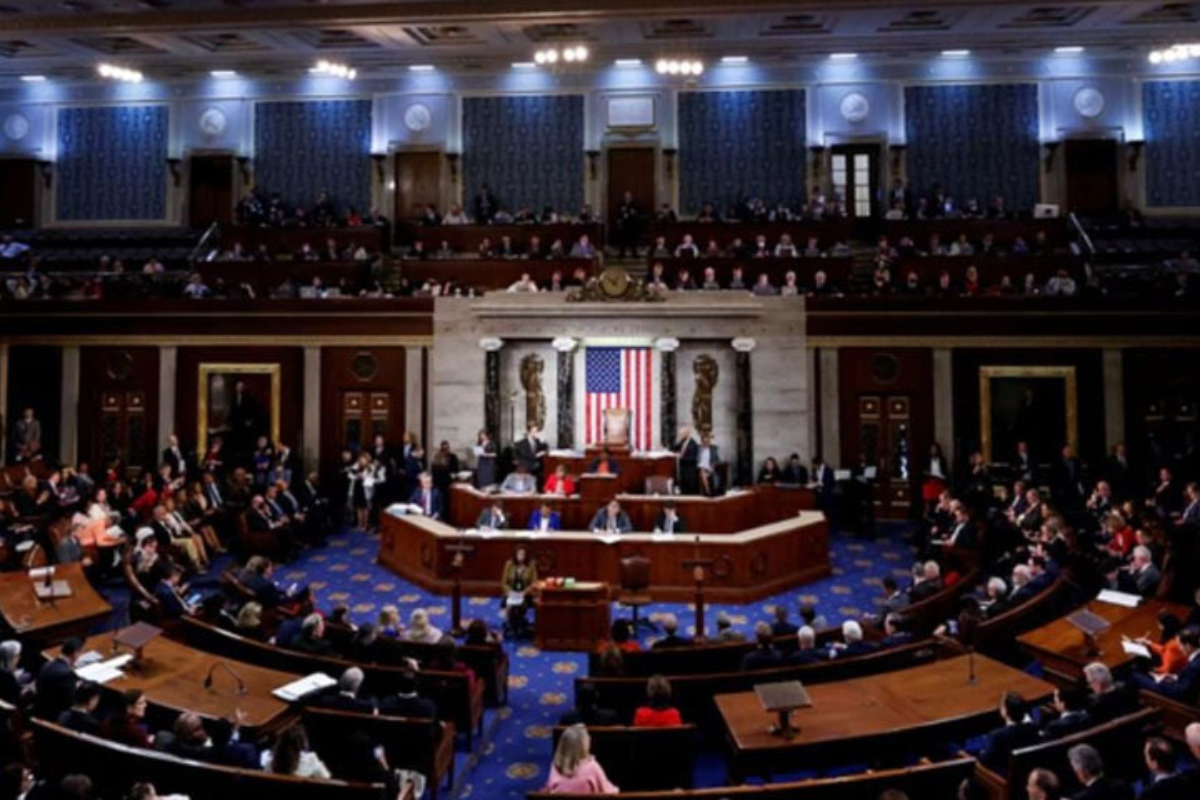
WASHINGTON: A resolution introduced in the United States House of Representatives has praised Pakistan for its diplomatic efforts during the Iran conflict, describing Islamabad’s role as constructive and important for regional peace.

The resolution was presented by US Congressman Al Green, who commended Pakistan for acting as a neutral and reliable mediator during heightened tensions involving Iran.

According to the text of the resolution, Pakistan avoided becoming a direct party to the conflict and instead focused on maintaining diplomatic engagement, facilitating dialogue, and supporting efforts aimed at achieving a ceasefire.

The document also noted that Islamabad hosted various diplomatic delegations and played an active role in advancing negotiations during the crisis.

The resolution further appreciated Pakistan’s efforts to sustain the peace process despite internal pressures and administrative challenges, stating that the country continued diplomatic activities to preserve a conducive environment for talks.

It also highlighted the humanitarian and economic consequences of the Iran conflict, noting that thousands of lives were lost and millions of people were displaced, with international organizations warning of growing humanitarian needs.

The document expressed concern over the impact of regional tensions on global energy markets and oil supplies, while also warning that war-related expenditures could rise to billions of dollars per day.

The resolution emphasized that diplomacy remains the only effective path toward lasting peace in the region and stated that Pakistan’s responsible and positive role has enhanced its standing at the international level.