BREAKING NEWS
Advertise with us >

Bangladesh thrash Pakistan by 8 wickets in first ODI

Bangladesh thrash

Dhaka: Bangladesh registered a comprehensive eight-wicket victory over Pakistan in the first match of the three-match ODI series, comfortably chasing down the modest target set by the visitors.

Bangladesh achieved the 115-run target in just 15.1 overs, putting in a dominant batting display at the Sher-e-Bangla National Cricket Stadium in Dhaka.

Tanzid Hasan played a brilliant unbeaten knock of 67 runs, while Najmul Hossain Shanto contributed 27 runs to guide the hosts to victory with ease.

For Pakistan, Shaheen Shah Afridi and Mohammad Wasim Jr. picked up one wicket each.

Pakistan Bowled Out for Record-Low Total

Earlier, Bangladesh captain Mehidy Hasan Miraz won the toss and elected to field first — a decision that proved decisive as Bangladesh bowlers dismantled Pakistan’s batting line-up.

Pakistan were bowled out for just 114 runs in 30.1 overs, their lowest ODI total against Bangladesh.

Openers Sahibzada Farhan and debutant Maaz Sadaqat started the innings, but Pakistan failed to build momentum. Farhan scored 27 runs, while Shamil Hussain managed only 4 runs. Maaz Sadaqat scored 18 runs in his debut ODI.

Faheem Ashraf was the top scorer for Pakistan with 37 runs, while Mohammad Rizwan made 10, Salman Agha scored 5, Hussain Talat added 4, and Abdul Samad was dismissed without scoring. Shaheen Afridi scored 4, Mohammad Wasim Jr. was out for 0, while Abrar Ahmed remained unbeaten on 0.

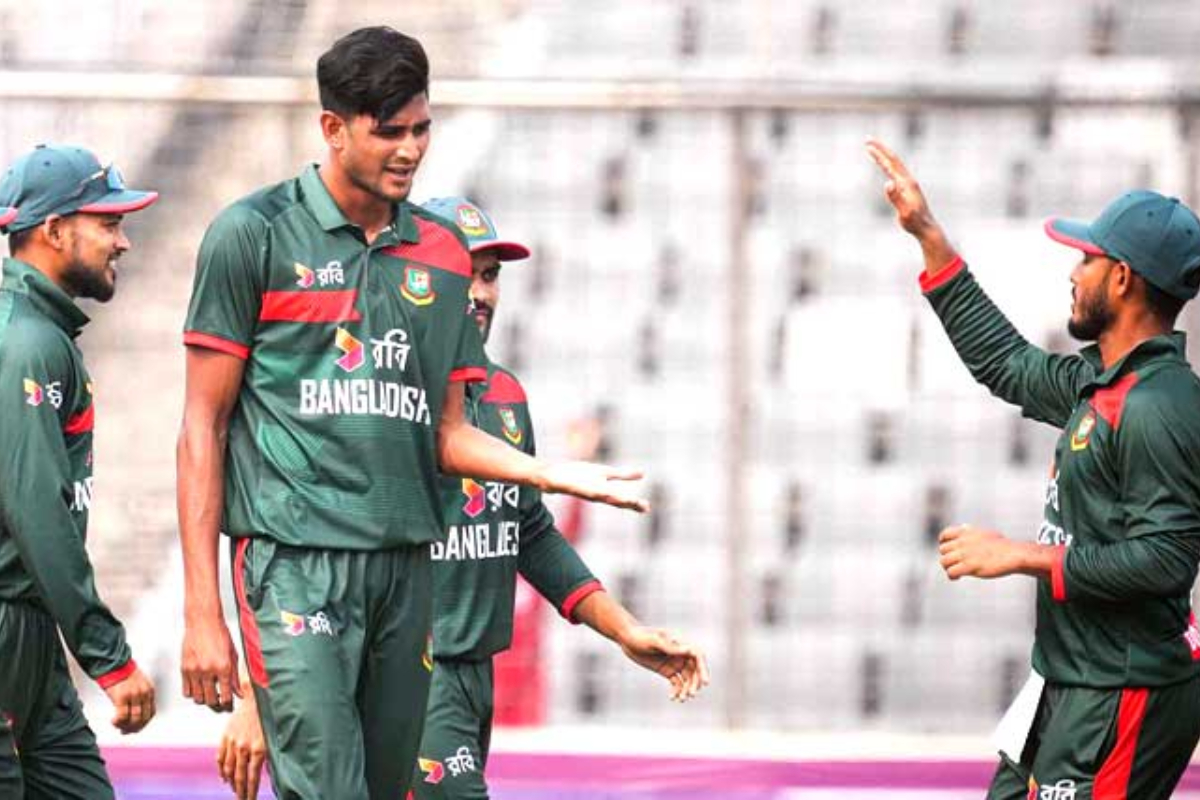
Bangladesh pacer Nahid Rana delivered the best bowling performance of his ODI career, taking 5 wickets for 24 runs, while captain Mehidy Hasan Miraz claimed 3 wickets for 29 runs.

Four Pakistan Players Make ODI Debut

Notably, four Pakistani players made their ODI debut in the match — Sahibzada Farhan, Maaz Sadaqat, Abdul Samad, and Shamil Hussain — marking the first time since 2008 that Pakistan fielded four debutants in a single ODI.

Before the match, Pakistan captain Shaheen Afridi had said that if Pakistan had won the toss, they would also have opted to bat first, adding that a score of 270 to 280 runs would have been a competitive total on the pitch.
Eid ul Fitr 2026 expected on March 21 in Pakistan

Eid ul Fitr

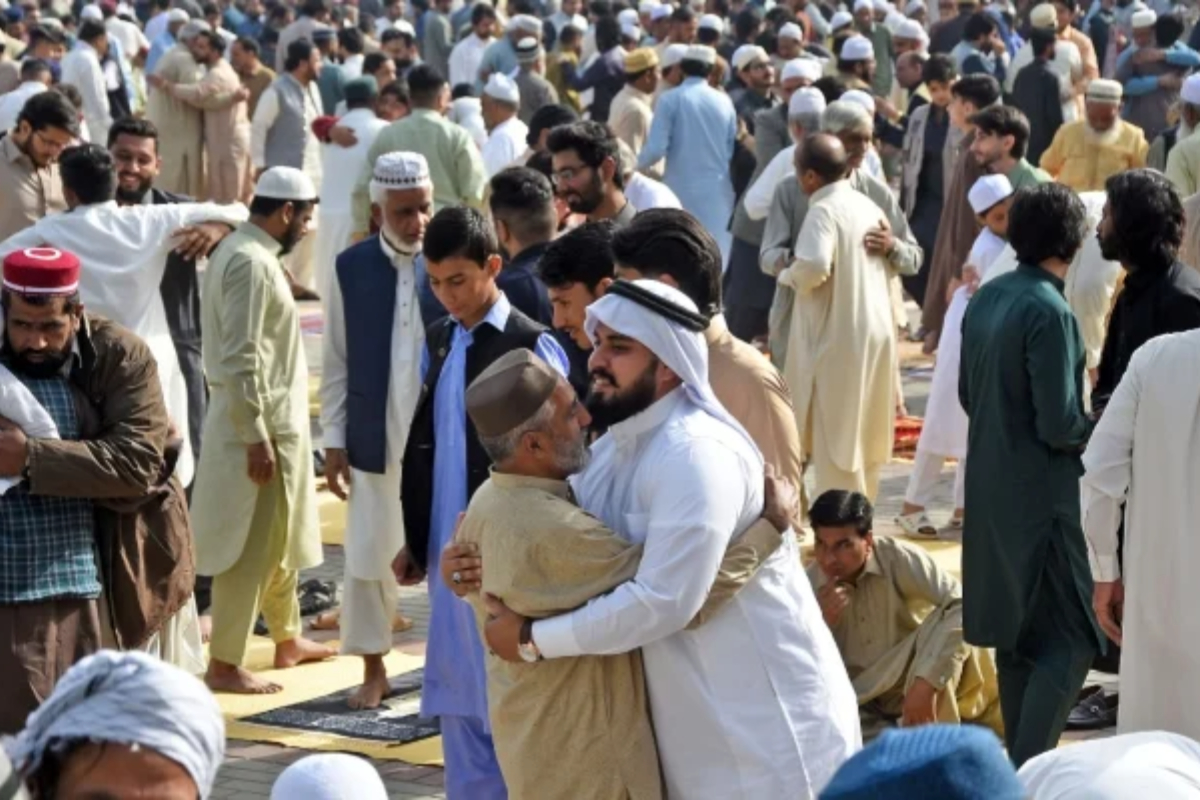
ISLAMABAD: Eid ul Fitr 2026 is expected to be observed on Saturday, March 21, in Pakistan, marking the end of the holy month of Ramadan, which completes a 30-day cycle this year.

Astronomical experts have indicated that the Shawwal crescent moon is unlikely to be sighted on the evening of March 19.

According to the Pakistan Space and Upper Atmosphere Research Commission (Suparco), the new moon of Shawwal 1447 AH will be born on March 19, 2026, at 6:23 AM PST.

At sunset on the same day, the moon will be approximately 12 hours and 41 minutes old, with a 28-minute interval between sunset and moonset along Pakistan’s coastal regions, making crescent visibility unlikely.

Based on these calculations, astronomers predict Eid ul Fitr to fall on March 21, though the Central Ruet-e-Hilal Committee will make the final declaration regarding the moon sighting and the official start of the festival across the country.

Eid ul Fitr is celebrated worldwide by Muslims after a month-long fast during Ramadan, a period devoted to patience, self-discipline, and charitable acts. In Pakistan, Ramadan 2026 began on February 19, following the Ruet-e-Hilal Committee’s announcement by Chairman Maulana Abdul Khabeer Azad.

As Islamic months follow the lunar calendar, lasting 29 or 30 days, the dates of Ramadan and Eid shift approximately 10 days earlier each year in the Gregorian calendar.

This year, the ninth month of the Islamic calendar completes its cycle on March 20, paving the way for the joyous celebration of Eid ul Fitr.

Pakistan will stand by Saudi Arabia in all circumstances, says PM’s spokesperson

Pakistan will stand

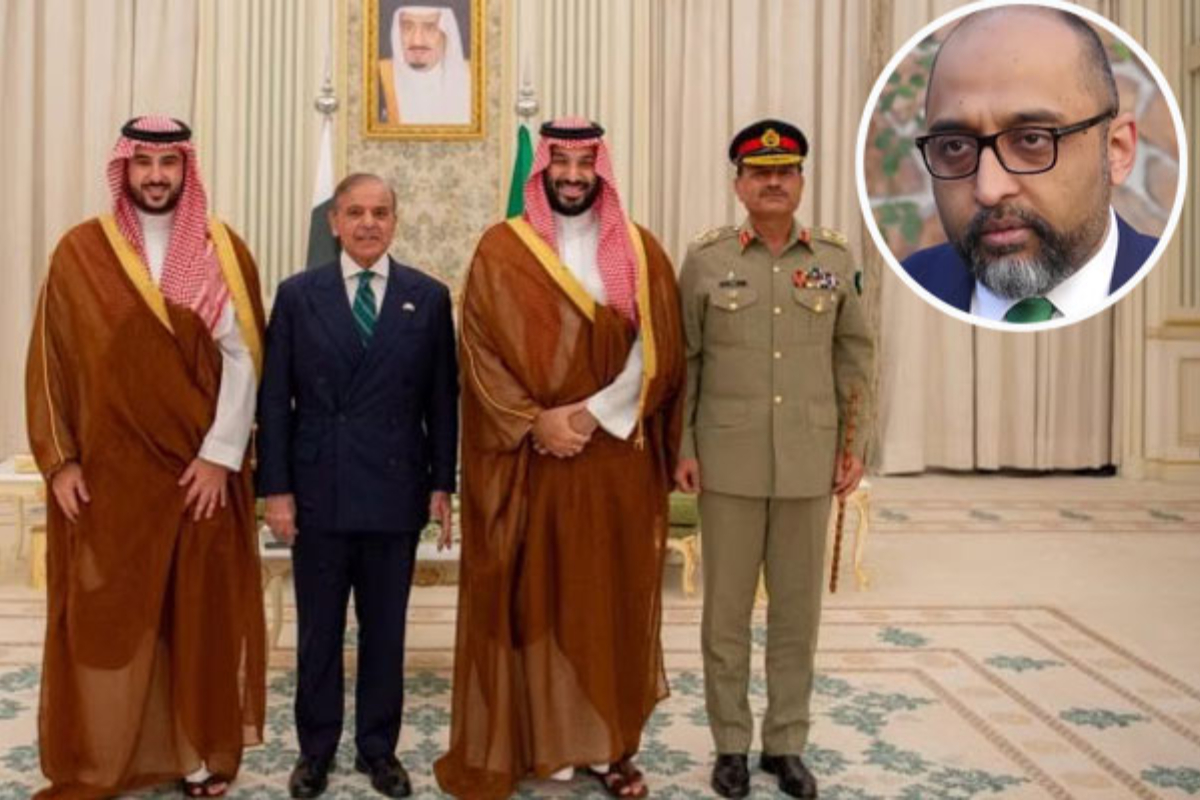
ISLAMABAD: Prime Minister’s spokesperson for foreign media Musharraf Zaidi has said that Pakistan will stand with Saudi Arabia at all times and under all circumstances, adding that Islamabad would extend support to the Kingdom if required.

Speaking to an international publication, Zaidi stated that there was no question about Pakistan’s commitment to Saudi Arabia. He emphasized that security cooperation between the two countries is not new, noting that Pakistan and Saudi Arabia have long maintained close coordination on defense and strategic interests.

He further revealed that a Pakistani Field Marshal recently met the Saudi Defense Minister in Riyadh, where both sides discussed joint defense measures and cooperation.

Zaidi also said that Foreign Minister Ishaq Dar has been in contact with Iran’s Foreign Minister since the beginning of the conflict, highlighting Pakistan’s ongoing diplomatic engagement in the region.

Pakistan qualify for hockey world cup after eight years

Pakistan qualify for

The Pakistan men’s national field hockey team has qualified for the Hockey World Cup after eight years by defeating Japan men’s national field hockey team 4–3 in a thrilling semifinal of the qualifiers being played in Egypt.

Pakistan secured the dramatic victory thanks to goalkeeper Ali Raza, who made a crucial save by stopping a penalty stroke late in the match.

Japan was awarded the penalty stroke just four minutes before the end of the match, but Ali Raza’s decisive save helped Pakistan hold on to the lead and secure an important win.

For Pakistan, goals were scored by Sufyan Khan, Abu Muhammad, Muhammad Imad and Afraz.

By winning the semifinal of the qualifiers, Pakistan have booked their place in the Hockey World Cup after an eight-year gap. The national team last played in the tournament in 2018 and failed to qualify for the most recent edition.

The Men’s Hockey World Cup 2026 is scheduled to take place from August 14 to August 30, 2026, and will be jointly hosted by Belgium and Netherlands

Pakistan voices concern over India–Canada uranium supply deal

Pakistan voices

Islamabad: Pakistan has expressed concern over a uranium supply agreement between India and Canada, warning that the deal could disturb the strategic balance in South Asia.

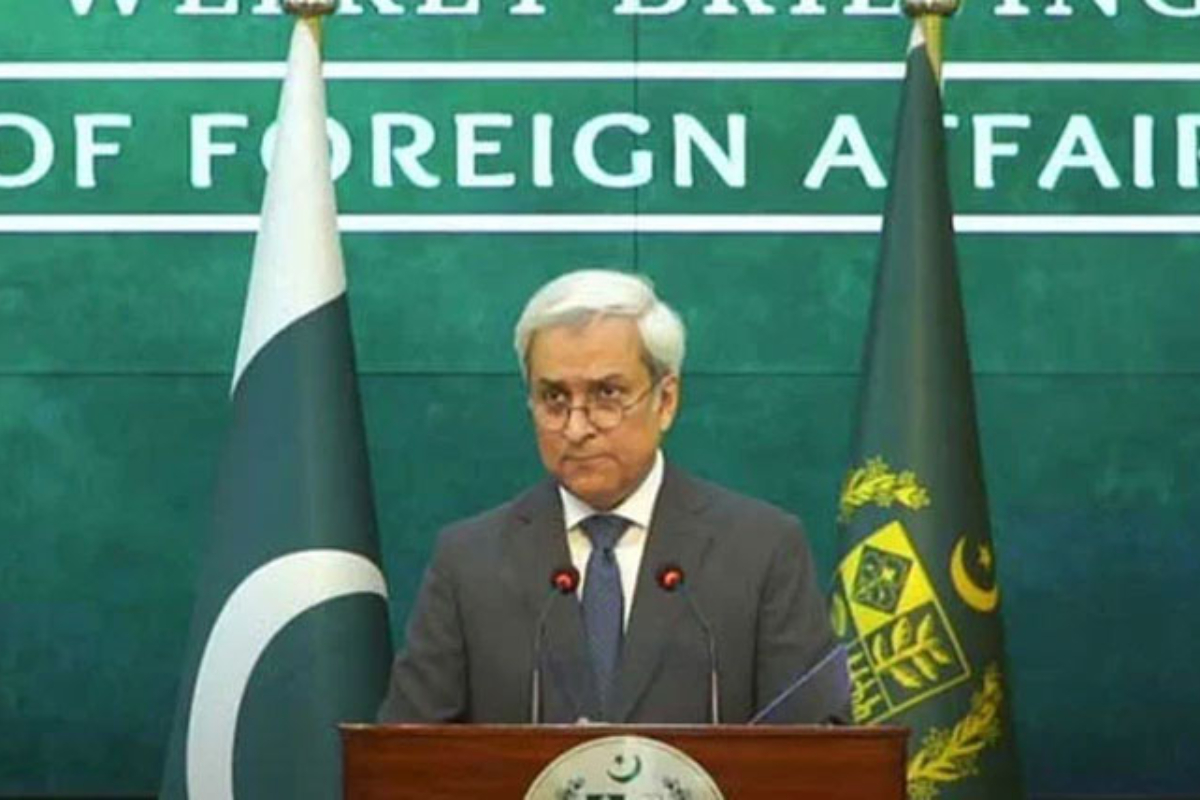
Foreign Office spokesperson Tahir Hussain Andrabi said the agreement represents another exception in the framework of civil nuclear cooperation. He noted that India’s 1974 nuclear test had originally led to the creation of the Nuclear Suppliers Group (NSG).

He pointed out that India has not placed all of its civilian nuclear facilities under the safeguards of the International Atomic Energy Agency (IAEA), and several of its nuclear installations remain outside international inspections.

According to the Foreign Office, external uranium supplies to India could potentially contribute to the expansion of its nuclear weapons stockpile.

The spokesperson further stated that such agreements may undermine the strategic stability of South Asia. Pakistan reiterated its call for a non-discriminatory and principles-based framework for civil nuclear cooperation, emphasizing that selective exceptions weaken the credibility of the global non-proliferation regime.

Pakistan urged the international community to adopt uniform standards based on global rules rather than discriminatory arrangements, warning that Canada’s move could damage the credibility of the international nuclear non-proliferation system.

Pakistan will defend its stability at all costs, President declares

Pakistan will defend

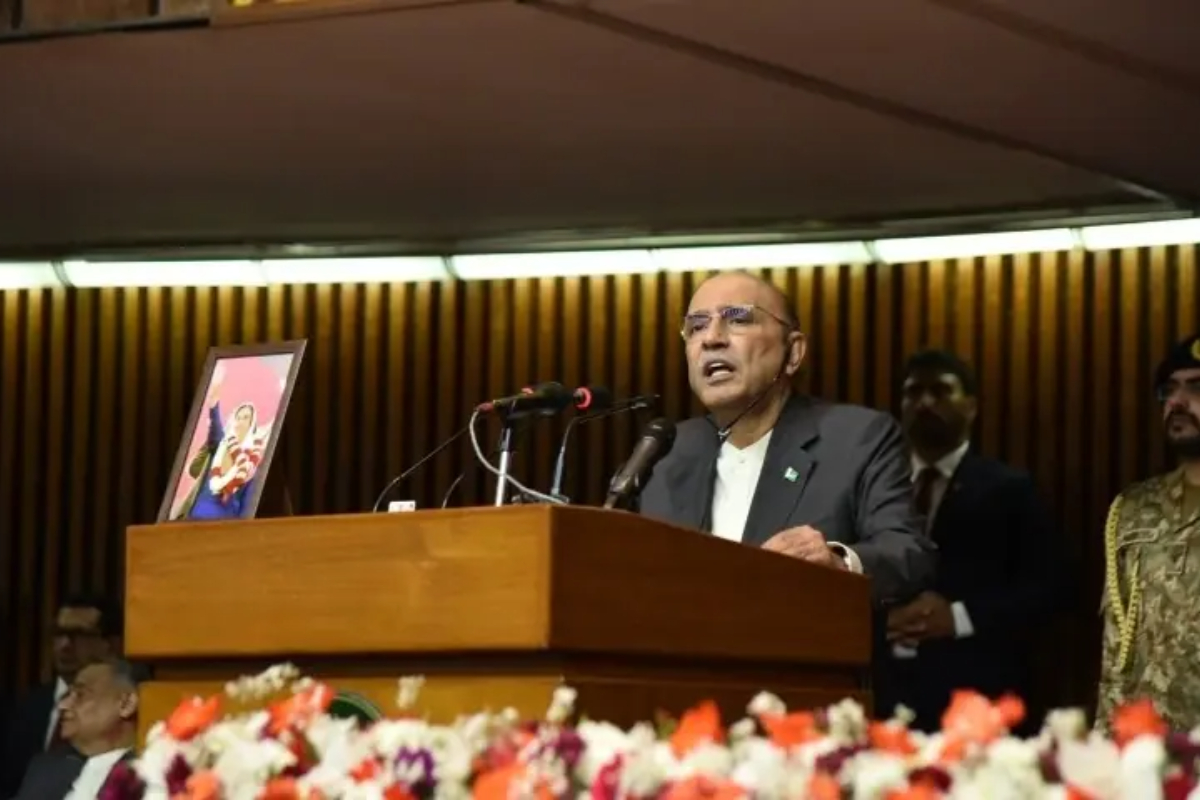
ISLAMABAD: Addressing a joint session of Parliament, President Asif Ali Zardari reaffirmed that Pakistan will not allow any domestic or foreign entity to use its soil — or that of any neighboring country — to destabilize its peace.

Calling it a “unique honor,” Zardari noted that the address marked his ninth speech to Parliament as a twice-elected president, describing such occasions as reminders of democratic continuity and constitutional responsibility.

He emphasized that nations are tested not only in times of crisis but also at critical turning points. The strength of the republic, he said, lies in the Constitution, the resilience of the people, parliamentary supremacy, responsible governance, and the morale of the armed forces. At the start of the new parliamentary year, he urged lawmakers to uphold sovereignty, constitutional rule, and economic growth.

National Security and Regional Affairs

Zardari stated that over the past ten months, Pakistan has faced complex challenges, including unprovoked attacks along both borders. He praised the armed forces for demonstrating professionalism and discipline, claiming that Indian aggression was turned into a “historic strategic victory.”

Referring to the February 26 attacks on the western border, he said the nation stood united alongside its military in countering threats. He reiterated Pakistan’s diplomatic and moral support for the people of Indian Illegally Occupied Jammu and Kashmir, asserting that lasting peace in South Asia is impossible without resolving the Kashmir dispute.

He underscored that Pakistan is a responsible nuclear state and cited Article 51 of the UN Charter as affirming the country’s right to self-defense. He also stressed continued diplomatic efforts to prevent cross-border terrorism from Afghanistan.

The president strongly condemned the conflict sparked during negotiations with Iran and called for restraint, dialogue, and peaceful resolution to prevent further regional instability.

Foreign Policy and Strategic Partnerships

Zardari highlighted expanding strategic cooperation between Pakistan and the United States, while noting that ties with China have reached new heights. He said the second phase of the China-Pakistan Economic Corridor (CPEC 2) would transform Pakistan’s infrastructure and thanked Chinese President Xi Jinping for continued support.

On Palestine, he reiterated Pakistan’s principled stance in favor of an independent Palestinian state based on pre-1967 borders. He also termed India’s suspension of the Indus Waters Treaty as “water terrorism.”

Economic Reform and Governance

Linking economic stability with national security, the president stressed the need for institutional reforms, tax system transparency, and prudent public spending. He emphasized that Pakistan cannot afford to lag in clean energy development and technological innovation.

He called for strengthening social protection programs, particularly through the Benazir Income Support Programme (BISP), to empower marginalized communities. “Security, economy, and constitutional governance are interconnected,” he said, urging unity to ensure economic gains reach ordinary citizens.

Tight Security, Opposition Protest

The session was attended by Prime Minister Shehbaz Sharif, foreign diplomats, and senior political leaders, including Punjab Chief Minister Maryam Nawaz, Sindh Governor Kamran Tessori, Khyber Pakhtunkhwa Governor Faisal Karim Kundi, and JUI-F chief Maulana Fazlur Rehman.

Extraordinary security arrangements were enforced inside and outside Parliament House, with police commandos deployed and strict checks on access routes.

As the session began, opposition members staged a protest, chanting slogans against the president, creating a tense atmosphere in the chamber.

China offers constructive role to calm Pakistan-Afghanistan dispute

China offers

ISLAMABAD: China, Russia, Qatar, and Iran have offered to mediate amid rising tensions between Pakistan and Afghanistan.

A spokesperson for the Chinese Ministry of Foreign Affairs expressed concern over the situation and stated that China is ready to play a constructive role, using diplomatic channels to mediate the dispute.

Both Qatar and Iran have similarly offered to facilitate dialogue between the two neighbors. Iranian Foreign Minister Abbas Araghchi urged that differences be resolved through talks and pledged Iran’s full support in enabling the dialogue.

Russia’s Foreign Minister also stated that if requested, Moscow is willing to consider mediating between Pakistan and Afghanistan.

Meanwhile, the United Nations Secretary-General expressed concern over the recent tensions and urged both countries to fulfil their obligations under international law.

England’s four-wicket win puts Pakistan’s fate in crucial decider

England’s four-wicket

COLOMBO: England cricket team defeated New Zealand cricket team by four wickets in a gripping Super 8 clash of the ICC Men’s T20 World Cup, keeping Pakistan’s hopes of reaching the semi-finals alive.

After winning the toss, New Zealand captain Mitchell Santner opted to bat first. The Black Caps posted a competitive total of 159 for 7 in their allotted 20 overs. Glenn Phillips top-scored with 39 runs, while Tim Seifert contributed 35 and Finn Allen added 29.

England’s bowling attack shared the spoils, with Will Jacks, Rehan Ahmed and Adil Rashid claiming two wickets each to restrict New Zealand below the 160-mark.

In reply, England chased down the target in the final over, losing four wickets in the process. The victory propelled England to the top of the group standings with six points.

Following New Zealand’s defeat, Pakistan national cricket team remain in contention for a semi-final berth.

The fate of the second semi-final spot between Pakistan and New Zealand will now be decided in Pakistan’s crucial clash against Sri Lanka national cricket team on Friday.

Pakistan must secure a comprehensive win over Sri Lanka to boost their net run rate; otherwise, New Zealand — currently on three points — could advance to the semi-finals on superior net run rate.

22 Taliban killed as Pakistan strikes back at Afghan border provocations

22 Taliban killed

Pakistan’s security forces have delivered a decisive response to unprovoked provocations by the Afghan Taliban regime along the border, according to security sources.

Officials confirmed that at least 22 Taliban militants were killed during the clashes, while attempts by the militants to attack Pakistani checkposts were successfully repelled.

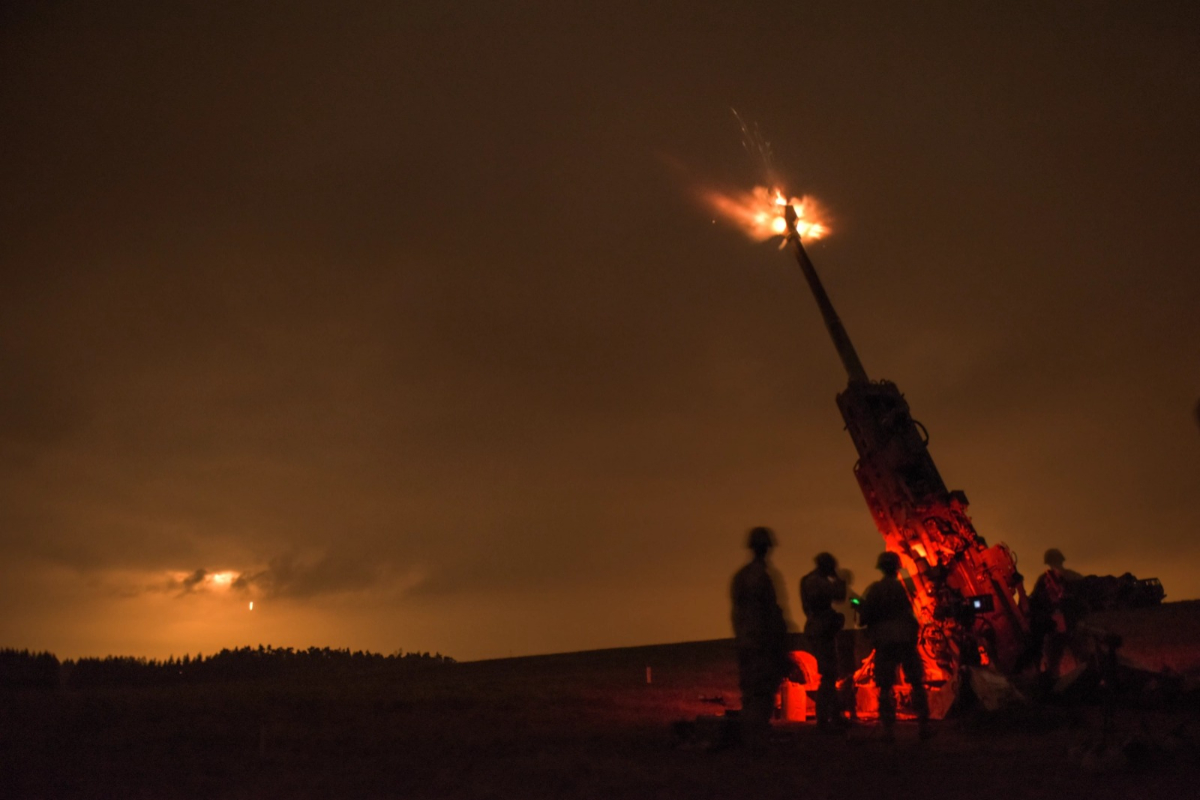
Timely action by the Pakistani forces also resulted in the destruction of all Taliban quadcopters in the area. Security sources said continuous shelling and gunfire were carried out using both small and heavy arms, targeting militant positions.

Aerial drones were also deployed to strike Taliban posts effectively, officials added.

Meanwhile, the Taliban have continued to circulate false claims and fabricated videos on media and social platforms, which security sources have dismissed as propaganda.

The Pakistani forces’ operations underscore their commitment to safeguarding the country’s borders and preventing any hostile incursions.

Pakistan vows retaliation against cross-border terrorism in Afghanistan

Pakistan vows

ISLAMABAD: In a Senate session, Federal Minister for Parliamentary Affairs Tariq Fazal Chaudhry outlined the government’s position on recent operations in Afghanistan, emphasizing that Pakistan will no longer merely recover bodies but will deliver a decisive response, avenging every martyr’s blood.

Addressing lawmakers, Chaudhry stated that Pakistan targeted multiple locations across three Afghan provinces as a part of a carefully planned operation. He said repeated warnings had been issued to Afghanistan regarding cross-border incursions.

“Afghanistan harbors terrorist hideouts and training camps. They requested PKR 10 billion to push the Taliban across the border, which we are ready to provide—but only with a guarantee that there will be no interference in Pakistan,” he added.

Chaudhry further detailed that attacks in Pakistan’s Tirlai, Bannu, and Bajaur districts trace back to Afghan territory, highlighting that terrorism in Pakistan now has a nationwide reach. “We are not here just to collect bodies. We know how to respond,” he said.

He underscored that Pakistan seeks peace but will never compromise on national security. The recent airstrikes were intelligence-based, targeting terrorist strongholds, resulting in the elimination of approximately 100 terrorists.

These operations targeted seven locations of the proscribed TTP and Fatah-ul-Khawarij in Nangarhar, Paktika, and Khost provinces, marking a decisive retaliatory measure following terrorist attacks on Pakistani soil.