BREAKING NEWS
Advertise with us >

Climate Finance Gap: Pakistan’s Vulnerability and Global Inaction

Climate ,finance , Pakistan, Germanwatch, Climate ,Risk, Index, UNDP ,report, World Bank ,CCDR, Pakistan ,vulnerability


Pakistan remains one of the world’s most climate-vulnerable nations yet receives less than 0.5% of global climate finance, according to the UNDP Climate Finance Report (2024).

The Germanwatch Climate Risk Index 2023 ranked Pakistan as the eighth most affected country by climate disasters, largely due to the 2022 floods and recurring heatwaves.

“Despite contributing less than 1% of global emissions, Pakistan pays a disproportionate price for global inaction,” said Inger Andersen, Executive Director of the UN Environment Programme (UNEP).

The World Bank Country Climate and Development Report (CCDR) estimates that Pakistan requires $348 billion by 2030 to meet adaptation and mitigation needs, yet available funding is less than 10% of that target.

The Ministry of Climate Change has proposed the Pakistan Climate Investment Fund (PCIF) to attract both public and private capital into renewable energy, water conservation, and green transport projects.

“We need predictable and accessible climate finance, not promises that never materialize,” stated Ali Tauqeer Sheikh, climate policy expert.

Analysts warn that Pakistan’s limited fiscal space and rising debt burden constrain domestic investment in climate adaptation. International donors are calling for better transparency and project readiness to attract concessional funding.

Melting Heights: Glacier Retreat Threatens Northern Pakistan

Glacier melt Pakistan, GLOFs, IPCC Pakistan, UNDP GLOF-II, climate change Gilgit Baltistan


Rising temperatures in the Hindu Kush–Karakoram–Himalaya (HKH) region are melting Pakistan’s glaciers faster than ever before, triggering Glacial Lake Outburst Floods (GLOFs) that threaten thousands of mountain communities. According to the Intergovernmental Panel on Climate Change (IPCC) Sixth Assessment Report, the region could lose up to one-third of its glacier mass by 2100 if emissions remain high.

“Pakistan’s northern glaciers are the water towers of South Asia. Their accelerated melt has serious downstream consequences,” said Dr. Saleemul Huq, IPCC Lead Author.

The NDMA recorded over 50 GLOF events in Gilgit-Baltistan and Khyber Pakhtunkhwa in the last decade. The UNDP GLOF-II Project, funded by the Green Climate Fund (GCF), is installing early warning systems in 24 high-risk valleys, but experts warn the coverage remains limited.

A 2024 Pakistan Meteorological Department (PMD) study found mean annual temperatures in Gilgit have increased by 1.3°C since 1980, leading to the formation of 3,000 glacial lakes — 33 of which are considered dangerous.

“We’re living with a permanent sense of fear,” said Sadia Karim, a resident of Hunza, recalling the 2022 GLOF that destroyed her family’s fields.

The World Bank has urged investments in mountain infrastructure and glacial monitoring using satellite data to prevent catastrophic losses.

ClimateCrisis #GlacierMelt #NDMA #UNDP #IPCC

Water at Risk: Indus Basin and Pakistan’s Looming Water Emergency

Pakistan water crisis, Indus Basin, UNDP Climate Promise, sea-level rise Pakistan, salinity intrusion Sindh


Pakistan’s Indus Basin, the lifeline for 80% of its population, is nearing a tipping point due to glacier melt, erratic monsoons, and severe water mismanagement. A World Bank report titled Pakistan: Getting More from Water (2023) warns that per capita water availability has fallen by over 80% since 1950, placing the country among the world’s most water-stressed nations.

“Pakistan’s water crisis is as much a governance issue as a climate one,” said Najy Benhassine, World Bank Country Director for Pakistan.

The UNDP Climate Promise (2024) reports that sea-level rise and declining river flows have accelerated salinity intrusion in Sindh’s Indus Delta, affecting agriculture and fisheries. Coastal districts like Thatta and Badin have seen over 1.2 million acres of farmland rendered unusable due to saltwater.

The Ministry of Climate Change warns that if upstream water regulation and mangrove restoration are not prioritized, the Indus Delta could face “irreversible ecological collapse within two decades.”

“We are witnessing both floods and droughts within the same year — the new climate normal,” said Sherry Rehman, former Federal Minister for Climate Change.

Pakistan’s National Water Policy (2018) is being revised to align with the Paris Agreement, focusing on climate-smart irrigation, groundwater regulation, and transboundary water cooperation with India and Afghanistan.

Poor Captaincy: South Africa defeat Pakistan by 8 wickets

Poor Captaincy

RAWALPINDI: Pakistan’s fragile batting lineup faltered on the fourth day of the Rawalpindi Test, setting South Africa a modest target of just 68 runs — which the visitors comfortably chased down with eight wickets to spare.

Resuming their second innings with a deficit of 71 runs, Pakistan struggled from the outset as wickets fell rapidly in the morning session. Babar Azam top-scored with 50 before being dismissed, while Mohammad Rizwan managed 18 runs.

Salman Ali Agha contributed 28, and Sajid Khan added 13, but the rest of the batting order failed to offer resistance. Nauman Ali and Shaheen Afridi were dismissed without scoring, while Asif Afridi remained unbeaten on zero.

For South Africa, Simon Harmer delivered a stellar performance, taking six wickets, while Keshav Maharaj claimed two and Kagiso Rabada picked up one.

Chasing 68 for victory, South Africa reached the target at the loss of just two wickets. Aiden Markram scored a solid 42, Tristan Stubbs was dismissed for a duck, and Ryan Rickelton remained unbeaten on 25.

Earlier, Pakistan had posted 333 runs in their first innings, while South Africa responded with 404, gaining a crucial first-innings lead that ultimately proved decisive.

Pakistan captain Shan Masood came under scrutiny following Pakistan’s defeat in the second Test against South Africa, as tactical errors and questionable decisions contributed to the team’s disappointing performance.

Cricket analysts and former players criticized Masood’s field placements, bowling changes, and lack of proactive strategy during crucial moments of the match. Despite having a balanced bowling attack, Pakistan failed to maintain pressure on the South African batters, allowing them to take control of the game.

Masood’s captaincy was also questioned for his inability to inspire the batting lineup, which collapsed twice under pressure. His decision to persist with defensive tactics, even when South Africa appeared vulnerable, drew particular criticism from experts.

The defeat has raised serious concerns about Pakistan’s leadership direction in the longer format, especially as the team continues to struggle with consistency and temperament in home conditions.

After the Deluge: Pakistan’s 2022 Floods Expose the Cost of Climate Neglect

Pakistan 2022 floods, World Bank PDNA report, UNDP Pakistan, climate resilience, NDMA, flood recovery


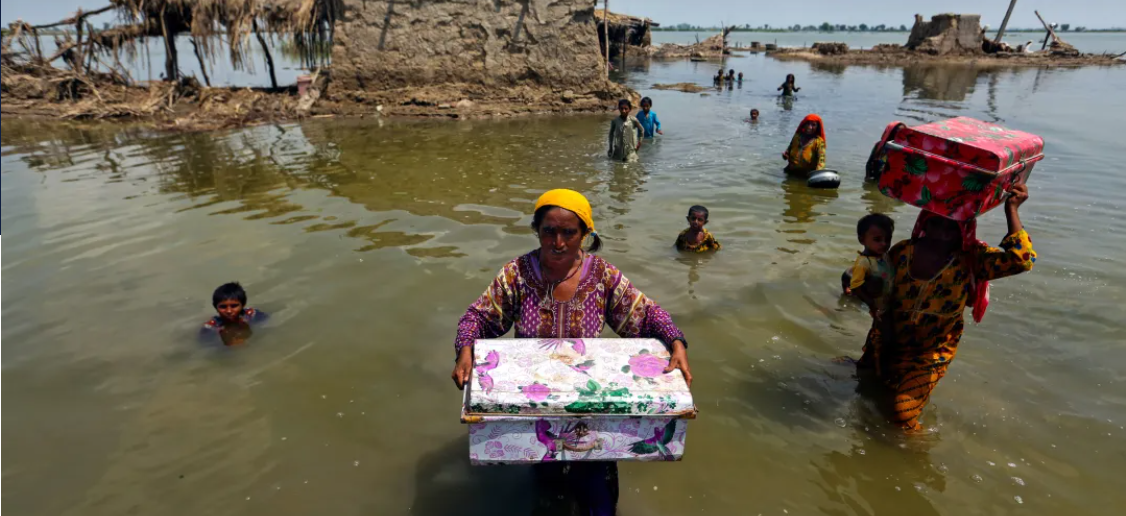
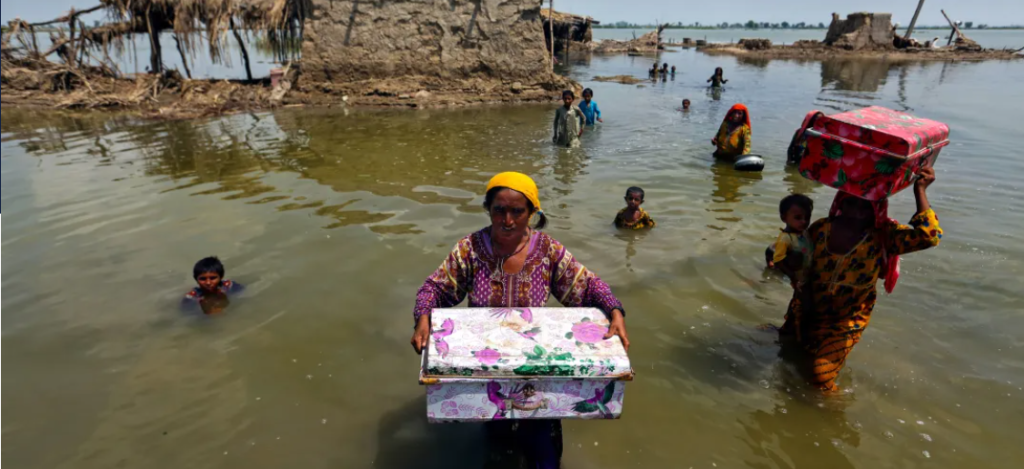
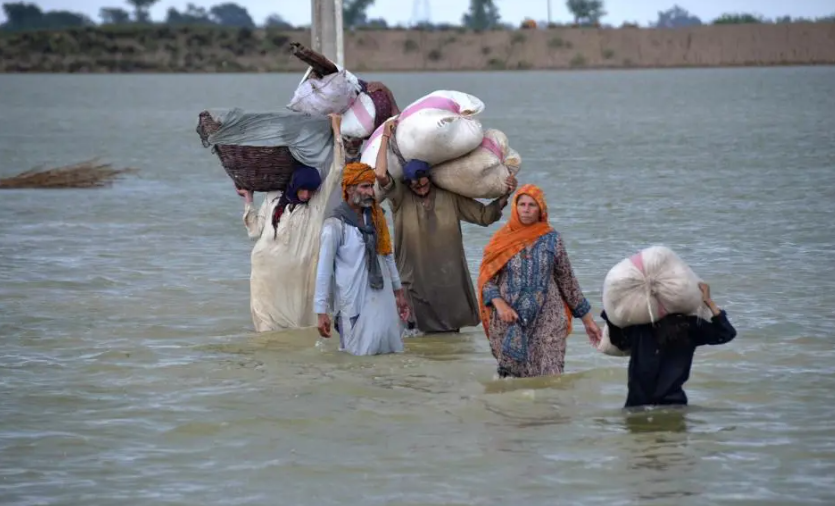
Three years after the devastating 2022 floods, Pakistan continues to grapple with the economic and social aftershocks of one of the most destructive climate disasters in its history. According to the Post-Disaster Needs Assessment (PDNA) prepared jointly by the Government of Pakistan, World Bank, Asian Development Bank, and UNDP, the floods caused over $30 billion in total losses — including $14.9 billion in damages and $15.2 billion in economic losses.

“The scale of the disaster was unprecedented. Over 33 million people were affected and millions displaced. Recovery will take years, not months,” said Henny Kromhout, Senior Disaster Risk Specialist at the World Bank.

The PDNA report warned that unless Pakistan invests heavily in climate-resilient infrastructure, similar events could occur every decade. The UNDP added that the floods were “a stark reminder that Pakistan contributes less than 1% of global greenhouse gas emissions but remains among the top 10 most climate-vulnerable nations.”

The National Disaster Management Authority (NDMA) confirmed that more than 2.3 million homes were damaged, 1.2 million livestock lost, and 4 million acres of farmland destroyed. The floods submerged one-third of the country, affecting major provinces including Sindh, Balochistan, and southern Punjab.

A World Bank Pakistan Climate Report (2023) noted:

“Climate extremes will intensify in South Asia. Building back better is not optional — it is essential for Pakistan’s survival.”

Experts recommend prioritizing early warning systems, climate-proof housing, and sustainable urban drainage systems. Pakistan’s Ministry of Climate Change has since launched the Living Indus Initiative, a $12 billion plan to restore the Indus ecosystem.

IT Secretary confirms internet services not fully restored in Pakistan

IT Secretary

ISLAMABAD: Pakistan’s undersea internet cable fault has not yet been fully repaired, the Secretary of Information Technology informed a parliamentary committee, adding that restoration work by the international consortium is still in progress.

Briefing the National Assembly Standing Committee on Information Technology and Telecommunications, the IT Secretary said that efforts by the international consortium responsible for maintenance are continuing. In the meantime, Pakistan’s internet traffic has been shifted to alternate routes to minimize disruption.

Later in the session, the committee expressed concern over poor mobile network coverage across the country and decided to summon Pakistan Telecommunication Authority (PTA) officials in the next meeting for an explanation.

The National Assembly Standing Committee on Information Technology and Telecommunications was given a detailed briefing on the Islamabad IT Park project, where officials revealed that 80 percent of the construction work has been completed.

During the meeting, Project Director informed the committee that the project is being executed in collaboration with a South Korean company. However, Federal Minister for IT Shaza Fatima Khawaja stated that the Prime Minister has ordered an inquiry into delays in the project’s completion.

Highlighting broader challenges in the telecom sector, the minister said that network issues persist due to spectrum shortage and legal disputes.

She added that Pakistan currently operates on 274 MHz of spectrum, which is insufficient to meet national demand. The government, she noted, is planning to hold a spectrum auction by December or January to enhance connectivity and service quality.

Pakistan Reaches $1.2 Billion IMF Staff-Level Agreement to Stabilize Economy

Pakistan ,IMF ,deal ,2025, Pakistan economic, recovery, IMF loan Pakistan, Pakistan, finance, ministry news

ISLAMABAD:
Pakistan and the International Monetary Fund (IMF) have reached a staff-level agreement that will unlock a $1.2 billion disbursement to help the country stabilize its struggling economy.

Pakistan ,IMF ,deal ,2025, Pakistan economic, recovery, IMF loan Pakistan, Pakistan, finance, ministry news

According to the IMF statement, the deal includes $1 billion under the Extended Fund Facility (EFF) and $200 million under the Resilience and Sustainability Facility (RSF). The IMF praised Pakistan’s fiscal discipline, saying inflation and the fiscal deficit have improved since July.

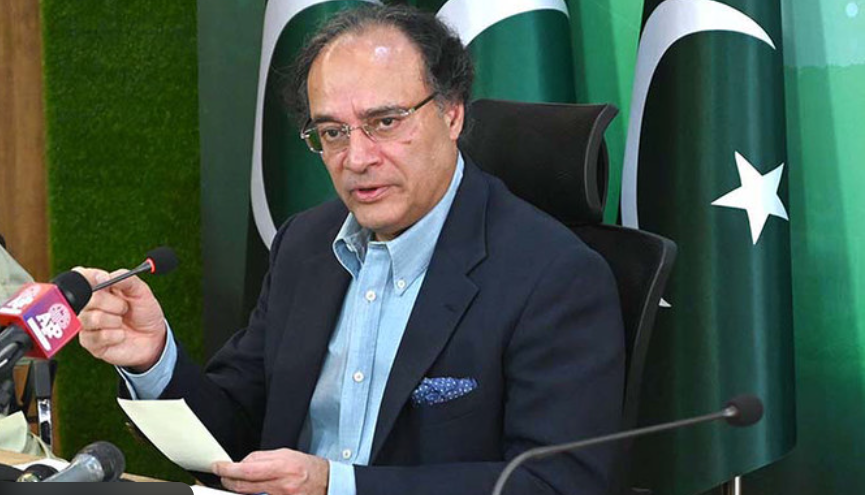
Finance Minister Muhammad Aurangzeb said that the agreement would “restore investor confidence and strengthen the rupee.” Pakistan plans to issue an international bond worth $1 billion early next year, followed by a green yuan-denominated bond to attract Chinese investors.

Analysts say this agreement signals improved trust between Islamabad and the IMF, though challenges remain due to inflationary pressures and slow exports.

Humanitarian crisis deepens in Gaza despite ceasefire

Gaza humanitarian crisis 2025, Gaza cease-fire humanitarian aid, ICJ Israel Gaza, Middle East relief crisis

Even as cease-fire holds, Gaza faces severe humanitarian crisis

Gaza humanitarian crisis 2025, Gaza cease-fire humanitarian aid, ICJ Israel Gaza, Middle East relief crisis


Despite a cease-fire in the Gaza Strip, the humanitarian situation remains dire, with civilians trapped in extreme conditions of hunger, water scarcity, and destruction of infrastructure.

The International Court of Justice criticised Israel for failing to ensure basic needs of the population under occupation, and aid agencies warn the amount of emergency supplies entering the territory falls far short of what’s needed. The Guardian


Local relief workers describe collapsed civil systems, mounting trauma among children, and deeply disrupted urban spaces under rubble.

Although there is some movement of assistance, logistical bottlenecks, security threats and destroyed supply chains hamper effective distribution.

While the cease-fire may reduce large-scale hostilities, the absence of a restoration strategy means long-term stabilisation remains uncertain.


Global bodies are calling for enhanced coordination, immediate rebuilding of infrastructure (water, sanitation, hospitals) and guaranteeing safe access for aid. For regional stability and humanity’s sake, the world is watching closely.

Trump sets sights on Xi, Russia oil talks ahead of Asia trip

Trump Xi Jinping meeting, China Russian oil imports, US China trade deal 2025, global security diplomacy Trump

Trump signals trade and security deal with Xi Jinping, targets Russian oil imports


US President and current influential political figure Donald Trump has announced his intention to strike a major trade and security accord with Chinese President Xi Jinping during their upcoming meeting in South Korea. Key in his agenda is China’s import of Russian oil—a subject that has drawn sharp scrutiny from Washington—and the revival of US soybean exports to China


Trump indicated that Russia and China could be brought into broader nuclear-arms talks, with fresh negotiations on the horizon. His diplomatic trajectory signals a recalibration of US strategy: balancing economic leverage, energy security and geopolitical alliances.


Observers note that if China curtails its Russian oil imports as part of a deal, this could reshape energy markets, challenge Russia’s war-economy, and shift the dynamics of Sino-US relations. The timing—amid wide-ranging global shifts—adds weight to the coming face-to-face encounter.

Pakistan collapse leaves South Africa 68-run target in Rawalpindi Test

Pakistan collapse

RAWALPINDI: Pakistan’s batting lineup faltered once again in the Rawalpindi Test, setting South Africa a modest target of just 68 runs after a disappointing second innings performance on the fourth day of play.

Resuming their second innings with a 71-run deficit, Pakistan struggled from the outset as wickets tumbled rapidly in the morning session. Key batters Imam-ul-Haq (9), captain Shan Masood (0), Abdullah Shafique (6), and Saud Shakeel (11) all failed to make an impact, leaving the hosts in deep trouble.

Earlier, Pakistan had scored 333 runs in their first innings, while the visitors replied strongly with 404, thanks to valuable lower-order partnerships.

South Africa’s tail-enders delivered a remarkable performance — Keshav Maharaj and Senuran Muthusamy added 71 runs, followed by a 98-run stand between Muthusamy and Kagiso Rabada.

Later, Marco Jansen contributed 25 runs, while Tristan Stubbs and Tony de Zorzi combined for another 113-run partnership. The final three wickets collectively added 194 runs, giving South Africa a crucial first-innings lead.

For Pakistan, Asif Afridi was the standout bowler with six wickets, while Nauman Ali claimed two, and Shaheen Afridi and Sajid Khan picked up one wicket each.