BREAKING NEWS
Advertise with us >

Pakistan inflation expected to rise to 7%, SBP Governor says

Pakistan inflation

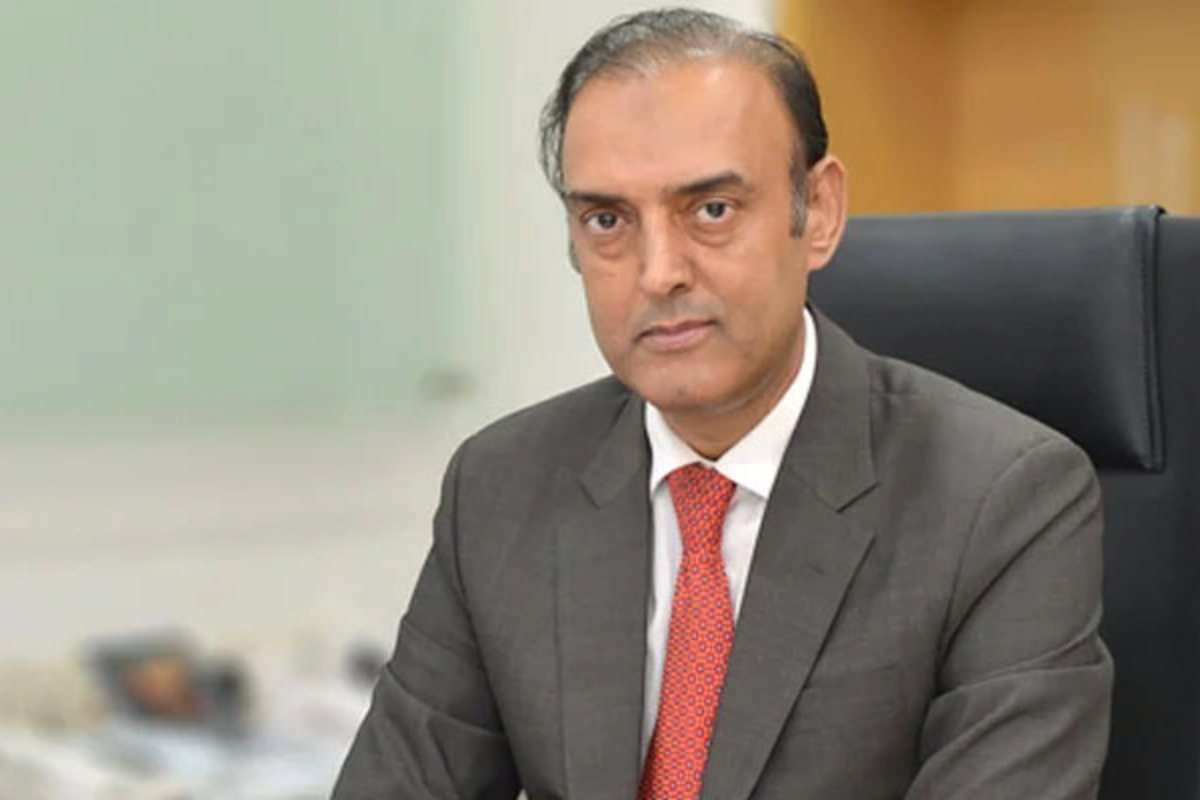
KARACHI: Governor State Bank of Pakistan Jameel Ahmad said inflation in Pakistan is expected to rise to around 7%, while economic growth reached 3.7% during the first nine months of the current fiscal year.

Addressing the Karachi Chamber of Commerce and Industry, the State Bank governor said inflation is likely to ease in the second half of the next fiscal year.

He said financing for small and medium-sized enterprises (SMEs) is targeted to reach Rs1.5 trillion by June 2028.

Ahmad said the overall volume of lending has increased, with domestic borrowing rising while external debt has been reduced.

He attributed weaker exports to global economic conditions and noted that the country’s export target for the current fiscal year is expected to fall short by Rs2 billion.

The governor also said work on new currency notes is underway and the approval process with the government is continuing.

Pakistan to merge Board of Investment into SIFC to strengthen investment drive

Pakistan to merge

ISLAMABAD: The federal government has decided to merge the Board of Investment into the Special Investment Facilitation Council (SIFC) to further strengthen the country’s investment promotion framework, according to government sources.

Sources said the move is aimed at empowering the SIFC and streamlining efforts to attract foreign investment.

The merger process is expected to be completed before Prime Minister Shehbaz Sharif visits China on May 23.

Officials said the decision is part of broader efforts to enhance investment cooperation under the second phase of the China-Pakistan Economic Corridor.

Under the new structure, the SIFC will play a central role in promoting foreign investment and will also be responsible for overseeing special economic zones and regulatory reforms.

Sources added that the council has been tasked with preparing a comprehensive roadmap to facilitate investment, with the goal of accelerating approvals and improving coordination among institutions.

Pakistan auto industry sees strong surge in sales in April 2026

Pakistan auto

KARACHI: Pakistan’s auto industry recorded a significant recovery in April 2026, with strong growth in both passenger vehicles and motorcycles, according to data released by the Pakistan Automotive Manufacturers Association.

Total car sales in April reached 17,387 units, marking a 48% increase compared to March and a 117% rise on a year-on-year basis.

Motorcycle sales also showed robust performance, reaching 187,724 units, reflecting a 41% annual growth.

Among manufacturers, Pak Suzuki Motor Company maintained its market leadership by selling 11,012 vehicles during April. The company recorded a sharp 175% year-on-year increase in sales.

Indus Motor Company posted sales of 4,330 units, showing a 33% increase, while Honda Atlas Cars Pakistan sold 2,716 units, reflecting a 59% annual growth.

Hyundai Nishat Motor reported sales of 1,002 units during the month.

Other manufacturers also posted strong gains, with Sazgar Engineering Works witnessing an 88% increase, while demand for Haval vehicles surged significantly.

The Suzuki Alto remained the best-selling car in April with 7,567 units sold, showing an impressive 232% year-on-year increase.

Other models also performed strongly, with Suzuki Swift sales rising 229% and Cultus increasing by 235%.

Combined sales of Toyota Corolla, Yaris, and Corolla Cross reached 3,451 units. Honda Civic and City recorded a 55% growth in sales.

The tractor industry also showed strong recovery, posting a 76% year-on-year increase.

Analysts say the overall performance reflects improving consumer confidence and early signs of recovery in Pakistan’s auto sector.

PSX gains nearly 5% in weekly trade as KSE-100 surges over 8,100 points

PSX gains

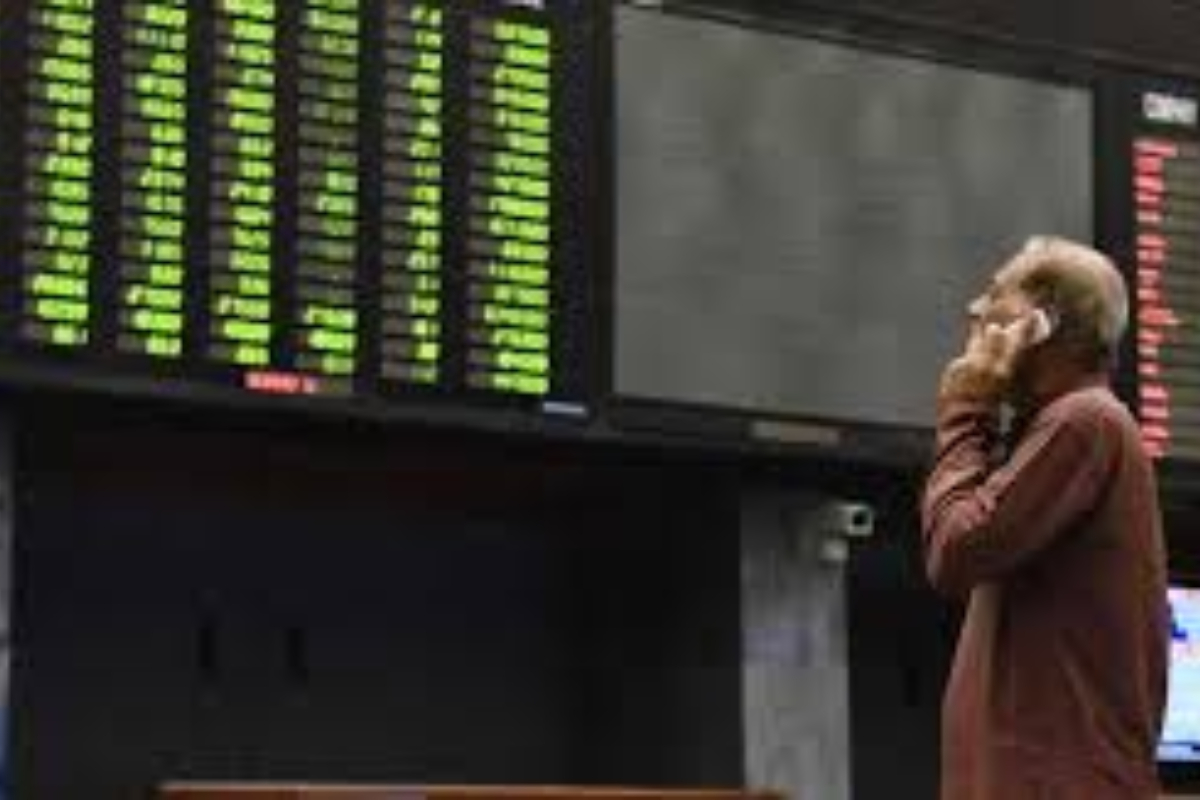
Karachi: The benchmark Pakistan Stock Exchange witnessed a strong performance during the outgoing trading week, with the KSE-100 Index rising by 4.98 percent and adding 8,121 points.

The index closed at 171,115 points, up from 162,994 points recorded at the end of the previous week.

During the week, the market successfully regained nine psychological levels, reflecting renewed investor confidence and sustained buying interest.

Out of the five trading sessions, the market remained bullish for four days, while one session ended in the red.

The KSE-100 Index touched an intraday high of 173,274 points during the week, while the lowest level recorded was 162,532 points.

Market capitalization increased by Rs880 billion over the five trading days, taking the total market capitalization to Rs18.903 trillion.

Trading activity also remained robust, with investors exchanging 4.36 billion shares worth Rs210 billion during the week.

IMF approves fresh $1.2b aid package for Pakistan

IMF approves

WASHINGTON: The International Monetary Fund has approved a new tranche of $1.2 billion for Pakistan, marking a significant boost for the country’s external financing and economic stability.

According to details, the approval was granted during a meeting of the IMF Executive Board held in Washington, where Pakistan’s financial assistance program was reviewed.

Under the decision, Pakistan will receive $1 billion under the Extended Fund Facility, while an additional $210 million will be disbursed under climate and sustainable development support initiatives.

The approved amount will be transferred to the State Bank of Pakistan, which is expected to strengthen the country’s foreign exchange reserves and provide short-term relief to the external account.

Officials noted that the IMF program is also likely to improve investor confidence and support Pakistan’s broader macroeconomic stability, particularly in meeting external payment obligations.

The new disbursement comes as part of ongoing cooperation between Pakistan and the IMF aimed at stabilizing the economy and implementing structural reforms.

Bearish week at Pakistan Stock Exchange as index drops 7,678 points

Bearish week

KARACHI: The Pakistan Stock Exchange witnessed a bearish trend throughout the week, as the benchmark KSE-100 Index declined by 4.5 percent during a shortened four-day trading session.

The index plunged by 7,678 points, closing at 162,994 points compared to the previous week’s close of 170,672 points. During the week, the market lost eight key psychological levels, reflecting sustained investor pessimism.

Market activity remained under pressure, with the index hitting a weekly high of 171,306 points, while the lowest level recorded was 160,391 points.

The overall market capitalization shrank significantly by Rs854 billion over the week, settling at Rs18,022 billion by the end of trading.

According to market experts, the downturn was driven by a combination of factors, including disappointing financial results from listed companies, a rise in interest rates, and ongoing geopolitical tensions in the Middle East, all of which dampened investor confidence and triggered continued selling pressure.

PM Shehbaz calls for swift activation of PVARA to boost digital economy

PM Shehbaz calls

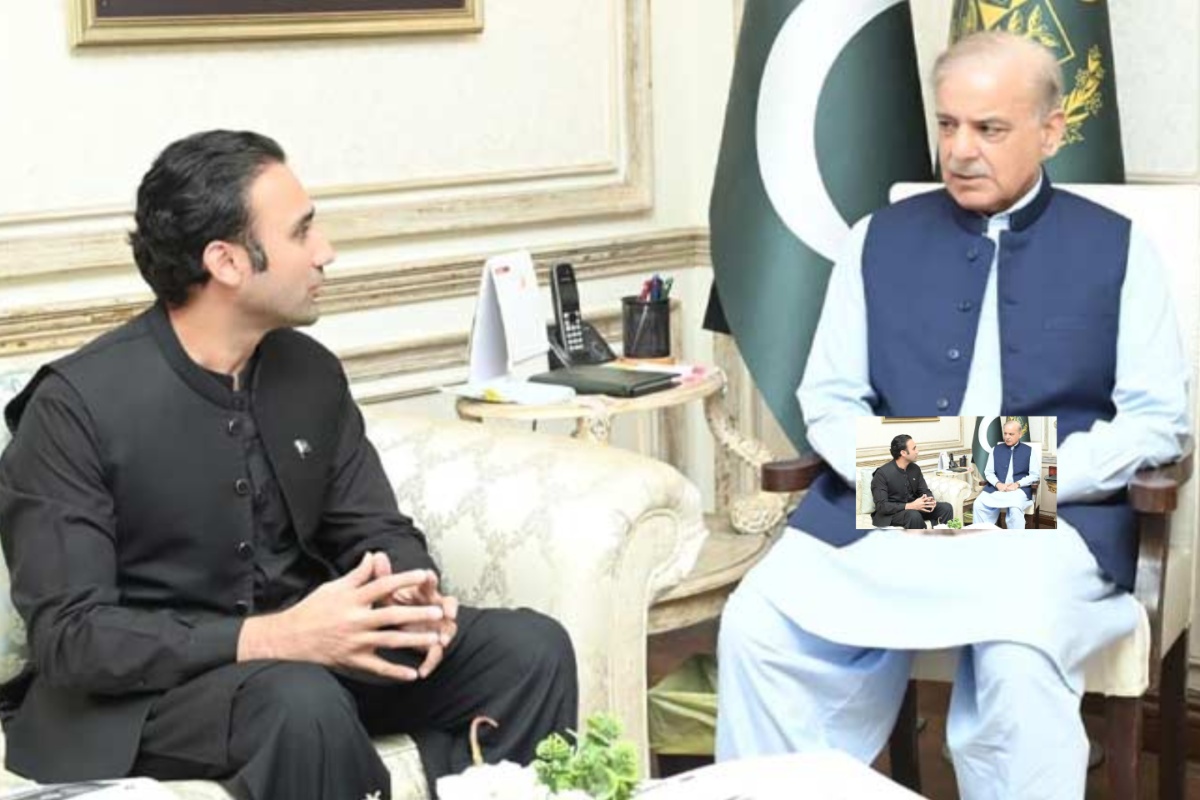
LAHORE: Prime Minister Shehbaz Sharif held a meeting with Minister of State and Chairman of the Pakistan Virtual Assets Regulatory Authority Bilal Bin Saqib to discuss the development of the country’s digital economy.

During the meeting, the prime minister directed that an effective, globally aligned regulatory system for virtual assets be made fully operational at the earliest to enhance investor confidence and promote growth in Pakistan’s digital economy.

He emphasized the need for special initiatives to train youth in modern technologies, particularly Artificial Intelligence and digital finance, to equip the workforce with skills required for the future.

Bilal Bin Saqib briefed the prime minister on the transition of the Pakistan Virtual Assets Regulatory Authority into a fully operational regulator, as well as the launch of a regulatory sandbox.

The briefing highlighted ongoing innovation in areas such as AI-powered payments and regulated virtual asset services.

It was also noted that efforts are underway to prepare national institutions, human resources, and regulatory frameworks for the next wave of economic transformation.

NEPRA removes licensing requirement for solar users up to 25kW

NEPRA removes

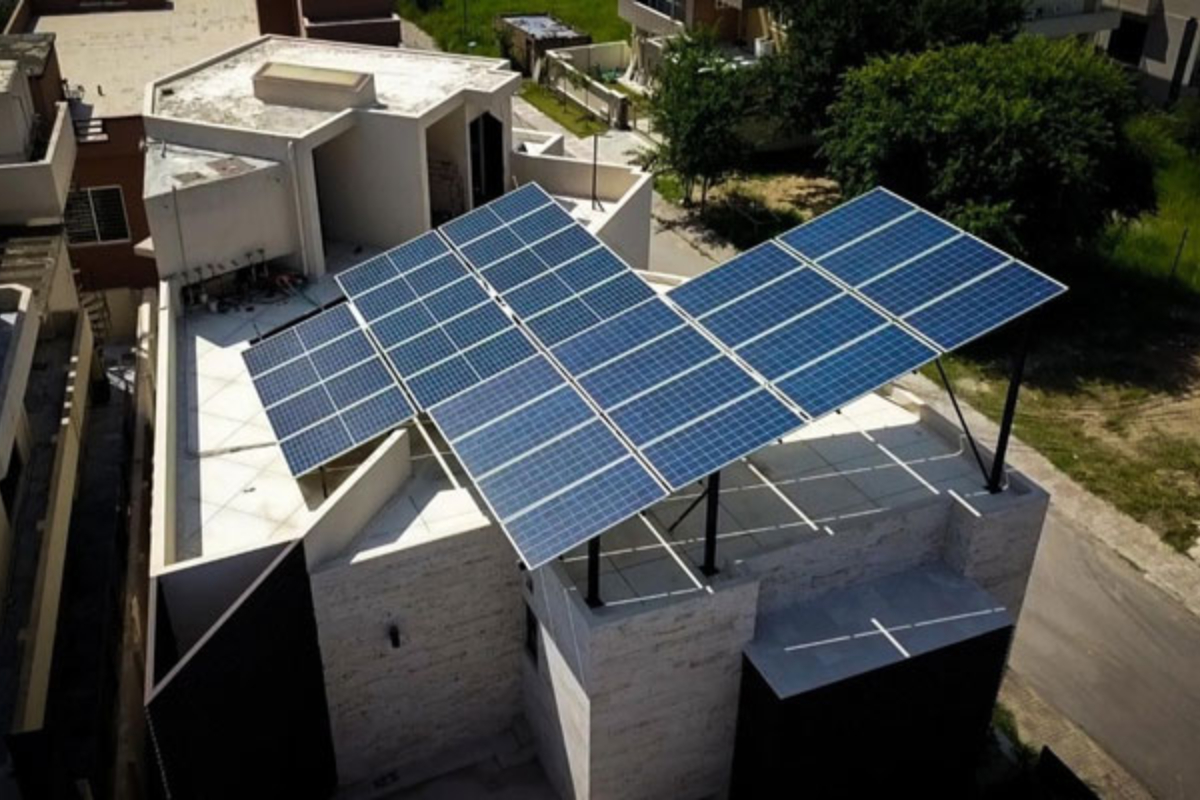
ISLAMABAD: The National Electric Power Regulatory Authority (Nepra) has announced the removal of the licensing requirement for solar consumers with systems of 25 kilowatts and below.

According to a NEPRA spokesperson, the decision was taken after a formal letter from the Power Division on the special instructions of Power Minister Awais Leghari.

The Power Division had requested that small-scale solar users operating systems up to 25kW be exempted from obtaining a NEPRA licence.

Following the request, NEPRA issued a notification abolishing the licensing requirement for these consumers.

Earlier, NEPRA had stated that all solar users connected to the national grid with any load would be required to obtain a licence, along with a fee of Rs1,000 per kilowatt. Previously, licences were only mandatory for systems above 25kW.

With the new decision, the licensing condition for solar users up to 25kW has now been officially withdrawn, providing relief to small-scale renewable energy consumers.

UAE exit from OPEC+ a major blow to oil alliance, says Reuters

UAE exit from

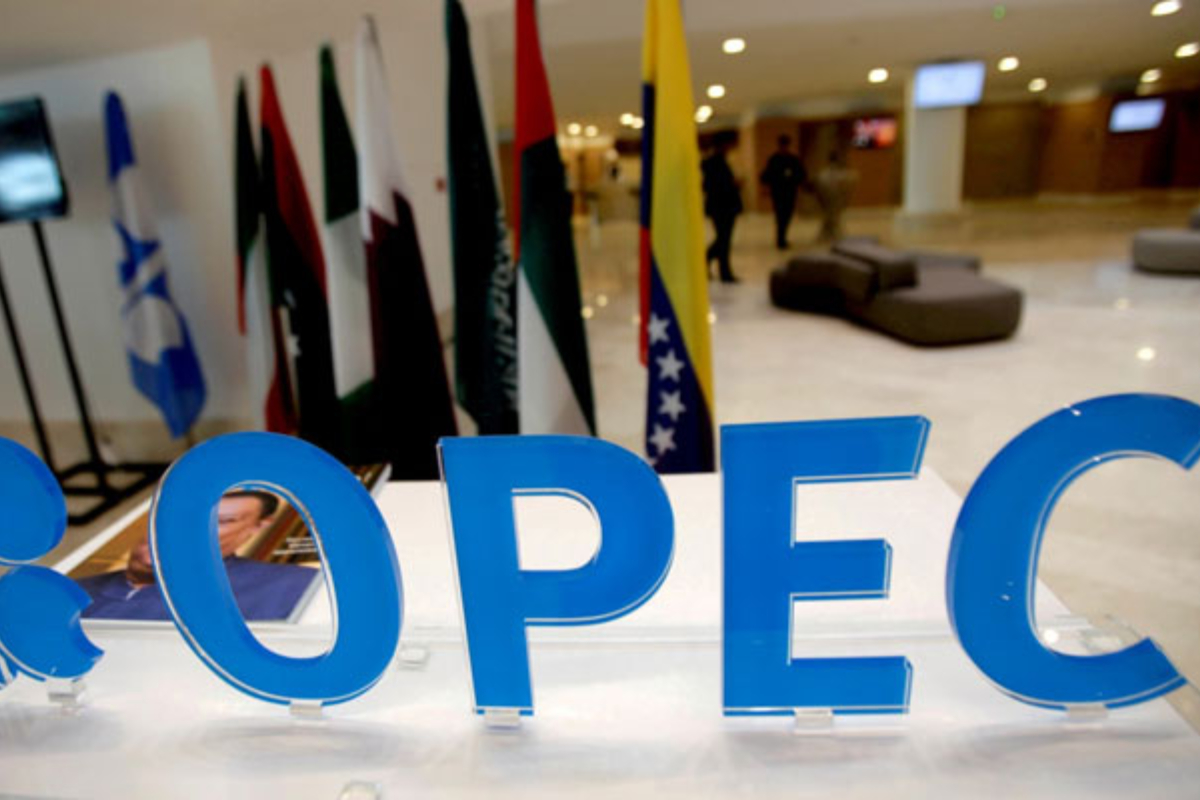
ABU DHABI: The decision by the United Arab Emirates to leave the OPEC and OPEC+ groups is being viewed as a significant setback for the oil-producing bloc, according to Reuters.

The report noted that the UAE had been a member of OPEC for more than six decades, and its exit comes at a time when the global economy is already under strain due to tensions involving Iran. The move is expected to weaken the cohesion of the group.

Reuters added that despite internal disagreements, OPEC has traditionally tried to project unity. However, the ongoing regional tensions and energy crisis have exposed divisions among Gulf countries, particularly between the UAE and Saudi Arabia, widely regarded as OPEC’s leading member.

UAE Energy Minister Suhail Mohamed Al Mazrouei said the decision was made carefully, taking into account regional energy priorities and future production needs.

He emphasized the country’s commitment to meeting growing global energy demand in a reliable and responsible manner.

Experts believe the move could allow the UAE to expand its share in global markets, as it would no longer be bound by OPEC’s quota system and could increase oil production once regional routes stabilize.

According to Reuters, the decision may also be seen as a political win for Donald Trump, who has frequently criticized OPEC for high oil prices.

The report added that the UAE has expressed concerns over the lack of adequate support from fellow Gulf states during periods of heightened tensions, including threats of attacks.

Crude oil prices surge in international market

Crude oil prices

International crude oil prices recorded a notable increase in global markets, driven by rising demand and ongoing geopolitical uncertainties.

Brent crude surged by 3.76 percent to reach $109 per barrel, reflecting strong upward momentum in the energy market.

Meanwhile, West Texas Intermediate (WTI) crude also posted gains, rising by 2.77 percent to settle at $97.17 per barrel.

Analysts attribute the increase to tightening supply conditions and heightened tensions in key oil-producing regions, which continue to influence global price trends.

A rise in global oil prices has weighed on US stock futures, with S&P 500 futures falling by 0.3 percent.

Market analysts say the focus remains firmly on the Strait of Hormuz, a critical route for oil shipments from the Middle East. Ongoing tensions between the United States and Iran have raised concerns over potential supply disruptions, leading to an imbalance in global supply and demand.

Economists warn that the surge in crude oil prices could have direct implications for developing economies like Pakistan, where higher fuel costs may further intensify inflationary pressures and increase the overall cost of living.