BREAKING NEWS
Advertise with us >

Toyota announces $300 Million investment plan in auto sector

Toyota announces

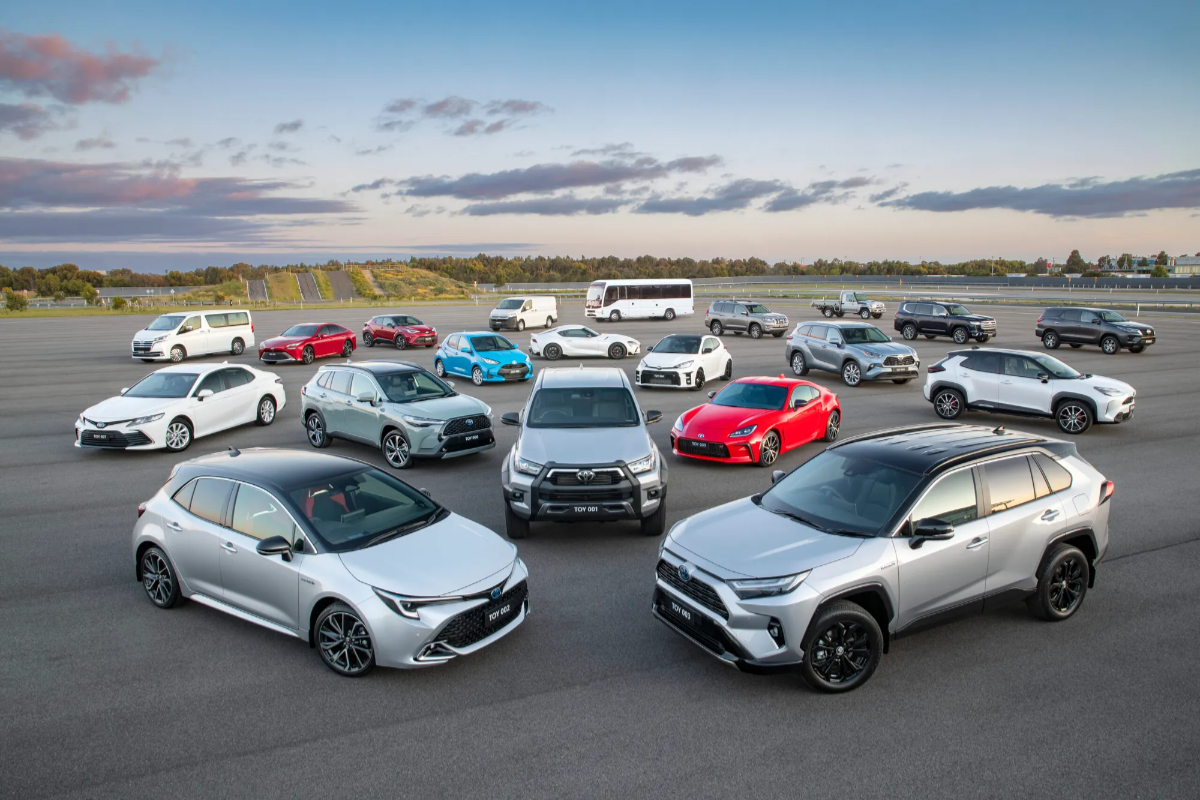
KARACHI: In a major development for Pakistan’s auto industry, Toyota has announced plans to invest $300 million in the country over the next five years. The announcement was made by Ali Asghar Jamali, Chief Executive Officer of Indus Motor Company.

According to Jamali, Toyota has already invested $736 million in Pakistan over the past 35 years, reflecting its long-term commitment to the local market.

However, he highlighted that heavy taxation remains a key challenge, noting that large vehicles in Pakistan are subject to taxes of up to 60 percent.

He emphasized that automobile manufacturers operate globally and place immense importance on maintaining their brand reputation, adding that no company compromises on quality standards.

Comparing market dynamics, Jamali pointed out that around 90 million vehicles were sold worldwide last year, whereas Pakistan’s total sales stood at just 200,000 units, indicating significant growth potential in the local market.

He urged the government to introduce a long-term auto policy spanning at least 10 years, stating that consistent and stable policies would boost manufacturing and attract greater foreign investment into the sector.

Jamali further revealed that approximately 60 percent of vehicle parts used by Indus Motor Company are now locally manufactured, contributing to industrial development and localization.

Discussing future trends, he said electric vehicles (EVs) represent the global future of mobility, but Pakistan currently lacks the necessary EV charging infrastructure to support large-scale adoption.

On performance, he noted that the company achieved a 1 percent increase in market share last year, while a decline in interest rates has led to a rise in auto financing over the past three years.

He added that the company will align its future strategy in accordance with government policy directions. Furthermore, Indus Motor Company has paid $6.3 billion in taxes to date and has helped save $6.5 billion in foreign exchange through local production.
Suspicious trading patterns emerge ahead of Trump announcements

Suspicious trading

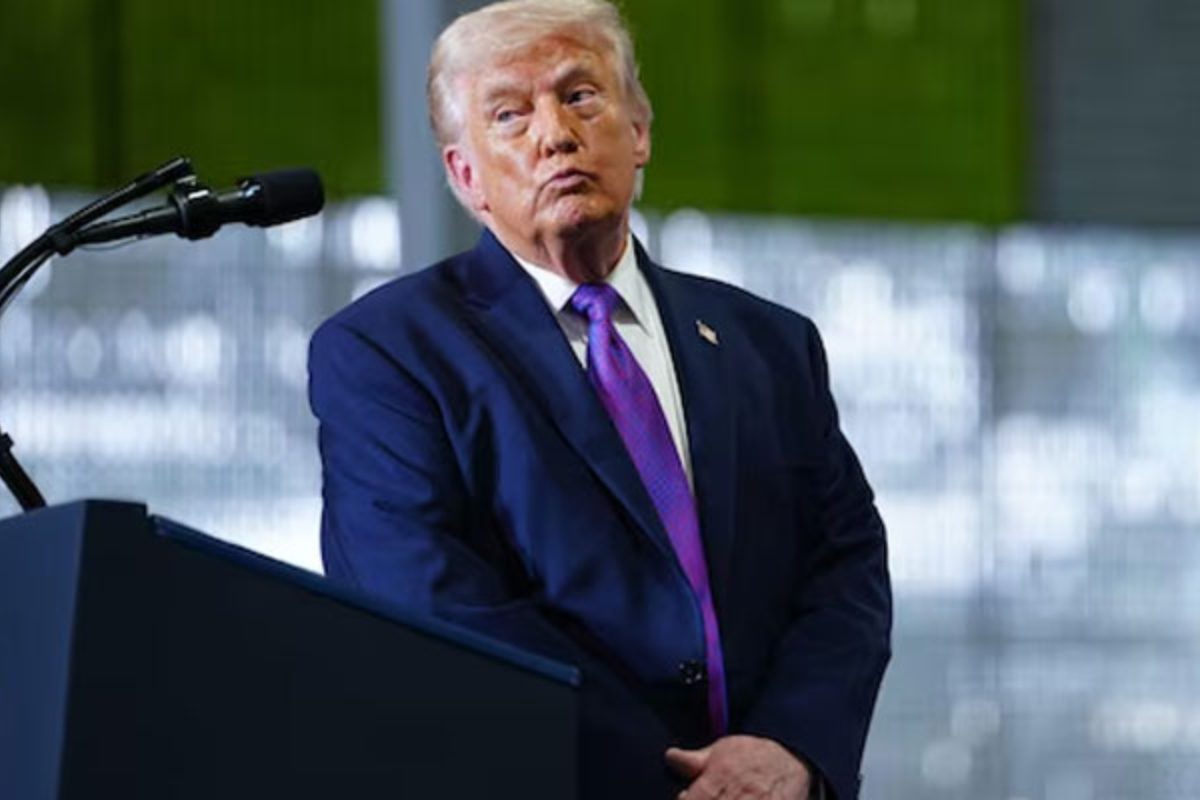
WASHINGTON: Millions of dollars in highly profitable trades have reportedly been detected in stock markets just minutes before major announcements by US President Donald Trump, raising serious concerns among financial experts.

During the Iran conflict, a clear pattern of unusual market activity was observed ahead of sharp fluctuations in global oil prices, suggesting possible advance knowledge of market-moving developments.

According to an investigative report by BBC, financial data from various markets was analyzed alongside key statements by Trump that had a significant impact on global markets.

The analysis revealed a recurring trend of sudden spikes in trading activity just before these announcements became public—patterns that analysts say are difficult to dismiss as mere coincidence.

Experts believe such trends could point to illegal insider trading, where privileged or non-public information is used to gain substantial financial advantage.

Trump’s market-moving decisions have already been a source of concern in global financial circles, with renewed calls for stricter oversight and transparency in politically sensitive economic developments.

Electric vehicle sales surge 51% in Europe amid rising fuel prices

Electric vehicle

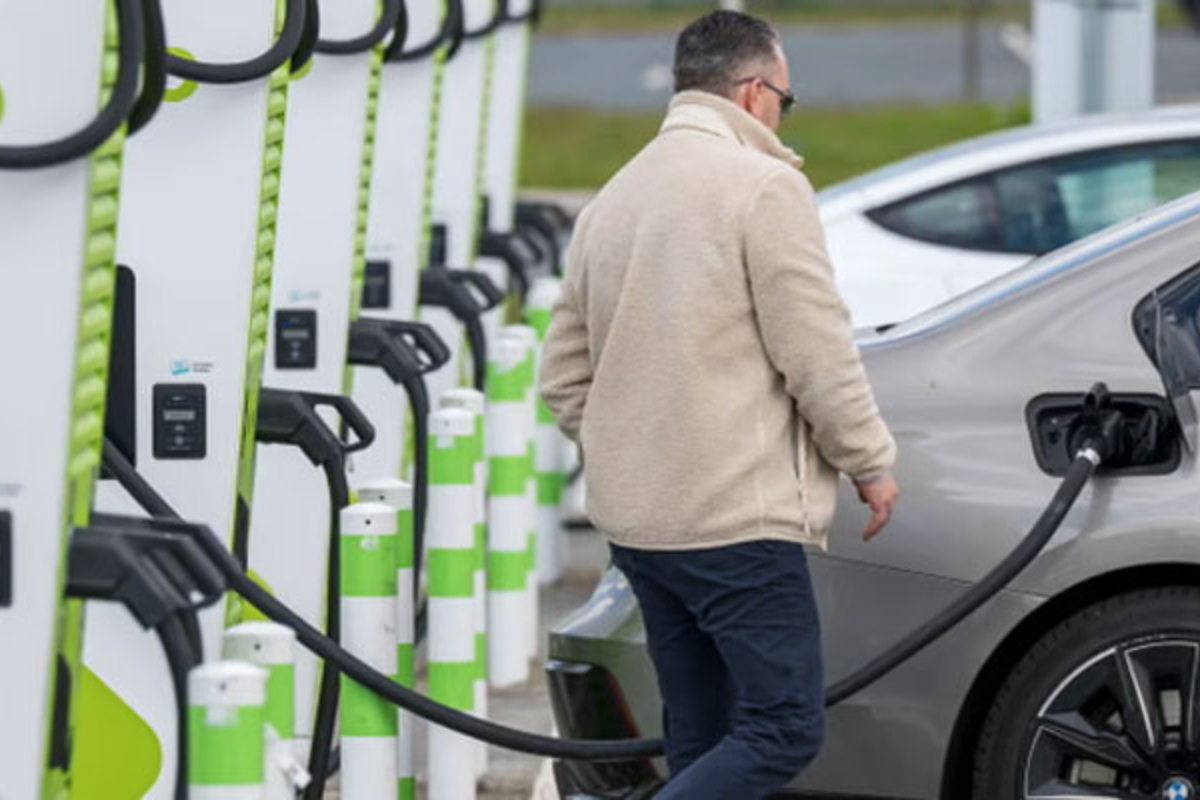
London/Brussels: Electric vehicle (EV) sales across Europe have surged significantly following rising petrol prices linked to ongoing Iran-related tensions, with consumers rapidly shifting toward cleaner and more cost-effective transport options.

According to a report by New Automotive, registrations of battery-powered electric vehicles in major European markets jumped by 51% in March alone.

The data shows that more than 224,000 new electric cars were registered across 15 European countries during the month, accounting for approximately 22% of all new car sales.

In the first quarter of 2026, over 500,000 electric vehicles were registered in European Union member states a 33.5% increase compared to the same period last year.

The five largest markets Germany, France, Spain, Italy, and Poland recorded growth exceeding 40%.

Germany, Europe’s largest auto market, saw a renewed boost in EV adoption following the introduction of government incentives.

Nearly one in four newly registered cars in March was electric, while overall EV sales have increased by 42% since the start of the year.

Italy also reported strong growth, with EV registrations rising by 65% so far this year, pushing their market share to 8.6% in March, up from around 5% at the end of 2025.

France remained among the top performers, with electric vehicles accounting for 28% of total car sales in March.

Experts say recent energy challenges have significantly influenced consumer behavior, with rising fuel costs accelerating the transition toward electric mobility. They add that as energy security becomes a key political priority, EV adoption is emerging as a practical and sustainable solution.

Pakistan stocks rally as KSE-100 posts strong weekly gains amid improved sentiment

Pakistan Stocks

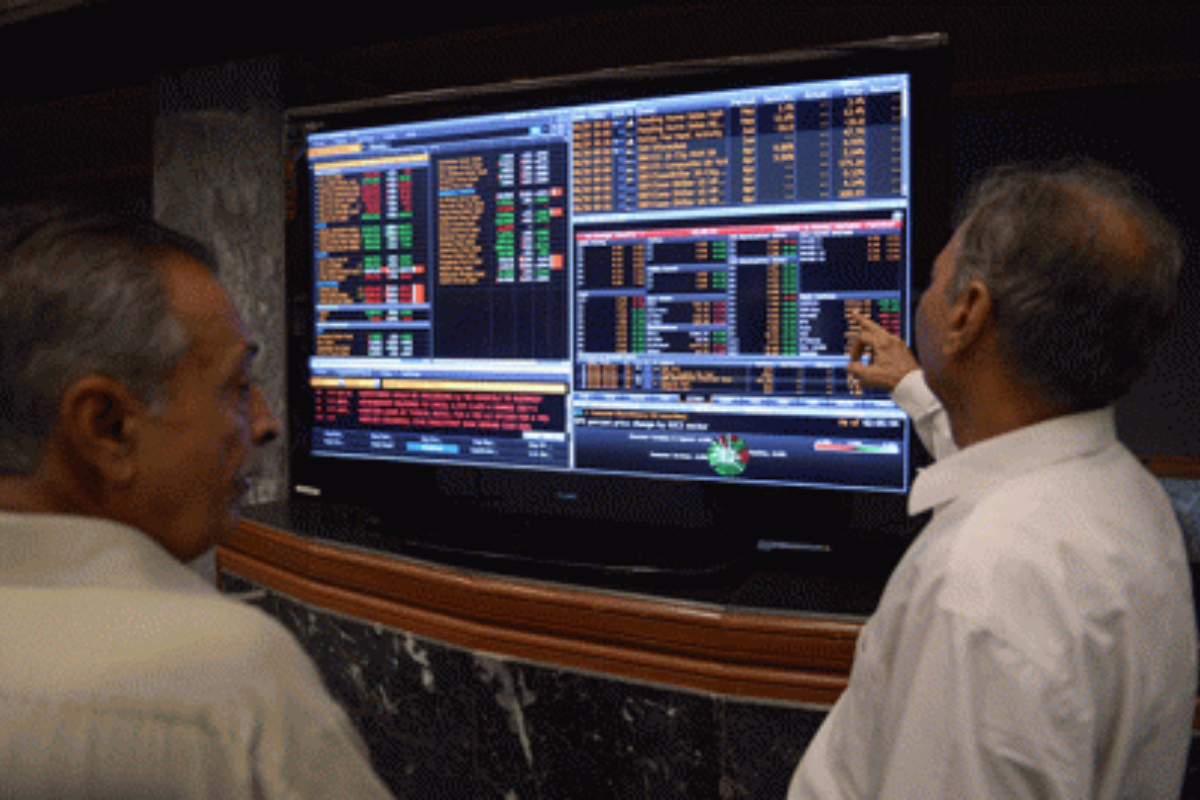
KARACHI: The Pakistan Stock Exchange witnessed a robust performance during the outgoing week, with the benchmark KSE-100 Index gaining nearly 4 percent on a weekly basis.

The KSE-100 Index surged by 6,748 points over the week, closing at 173,939 points compared to 167,191 points at the start of the trading period.

During the week, the market successfully crossed six psychological thresholds, reflecting strong bullish momentum. Out of five trading sessions, the market remained positive for four days, while only one session ended in the red.

The index touched a weekly high of 174,404 points, while the lowest level recorded during the week stood at 160,158 points.

Market capitalization increased significantly by Rs776 billion over the five trading days, reaching a total of Rs19,250 billion.

Trading activity also remained strong, with approximately 5 billion shares exchanged during the week, amounting to a value of Rs241 billion. On a weekly basis, average daily trading volume rose by 37 percent to reach 1 billion shares.

Market experts attributed the bullish trend to improved investor confidence, driven by signals of easing tensions between the United States and Iran, which helped stabilize sentiment in global and regional markets.

Oil prices surge after reports of Strait of Hormuz blockade

Oil prices

Global oil markets witnessed a sharp rise following reports of a blockade in the Strait of Hormuz, a key route for global energy supplies.

The price of Brent crude jumped by $7, crossing $102 per barrel, while West Texas Intermediate (WTI) rose by around $6.5 to reach $103 per barrel.

Shipping costs in the Gulf region also surged significantly, with insurance premiums for vessels increasing by as much as 1,000%.

Reports indicate that a tanker carrying oil worth $150 million would now require approximately $7.5 million in insurance premiums.

Meanwhile, global demand for alternative energy sources is rising. China has taken a lead in this sector, with exports from Chinese renewable energy companies increasing by 57%.

On the other hand, OPEC has expressed concerns that global oil demand could decline amid shifting energy trends.

PSX plunges as KSE-100 index drops over 6,000 points

PSX plunges

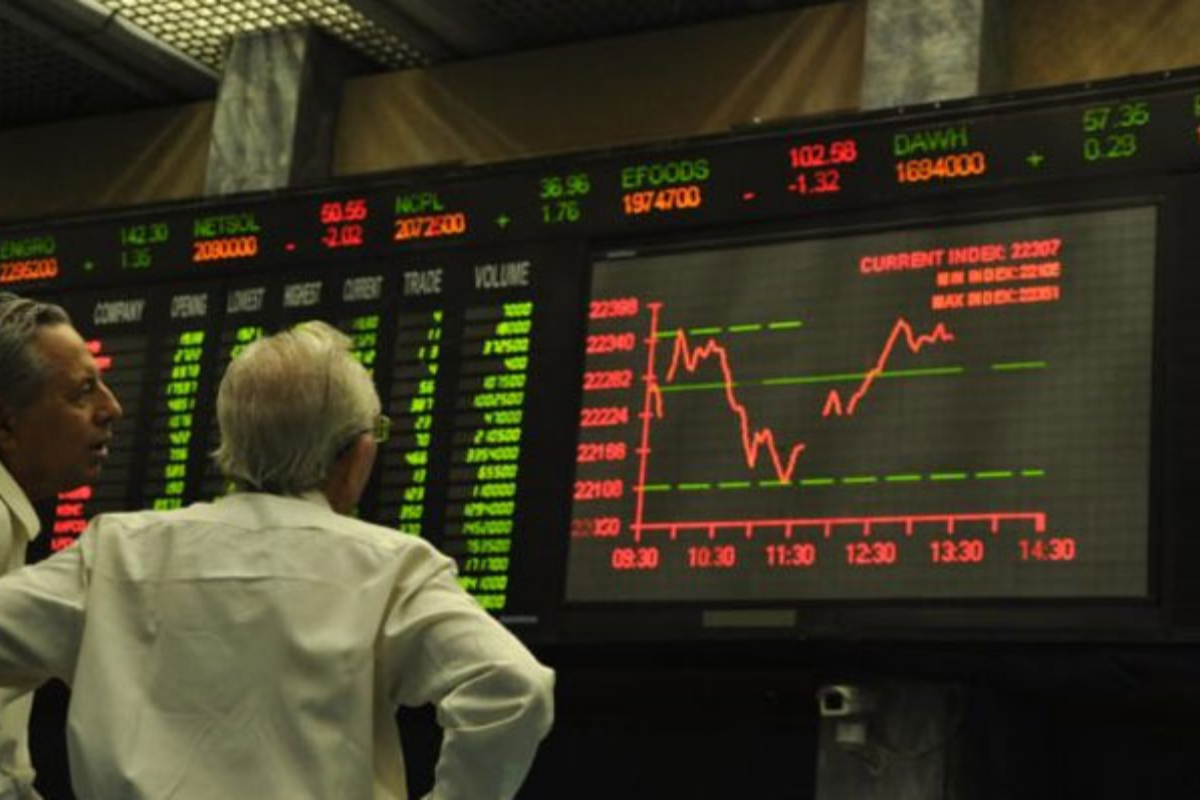
Karachi: The Pakistan Stock Exchange witnessed a sharp bearish trend at the start of the trading week, with heavy losses recorded throughout the session.

Trading opened on a negative note, with the benchmark KSE-100 Index falling nearly 3% during intraday activity. The index shed around 4,861 points in early trading, reflecting strong selling pressure in the market.

After 1:00 PM, the index hovered around 162,329 points before slipping further to 161,638 points as the downward trend intensified.

By the close of trading, the KSE-100 Index had plunged by 6,600 points, settling at 160,591, marking a significant decline on the first day of the business week.

PSX surges over 12,000 points on US-Iran ceasefire

PSX surges

KARACHI: The Pakistan Stock Exchange (PSX) witnessed a dramatic surge in trading today following the announcement of a two-week ceasefire in the Middle East, brokered by Pakistan.

After U.S. President Donald Trump announced the halt of military action against Iran, PSX saw a strong upward trend, reflecting investor confidence.

On the third day of the trading week, the PSX 100 Index jumped by over 12,000 points at market open.

Trading was temporarily paused due to the surge and resumed at 10:42 AM. Currently, the PSX 100 Index stands at 164,000 points after a gain of 12,362 points.

Global markets also reacted positively: Japan’s Nikkei index rose 5% to 55,960 points, New Zealand’s DJ index increased 2.5%, and Australia’s ASX climbed 2.65%.

The rally follows Pakistan’s successful mediation, after which Iran agreed to a two-week ceasefire and permitted the passage of ships through the Strait of Hormuz, signaling a temporary easing of regional tensions.

PSX Report: KSE-100 Index drops 1,309 points amid volatile trading

PSX Report

Karachi: The Pakistan Stock Exchange witnessed a bearish trend during the past week, with the benchmark KSE-100 Index declining by 1,309 points.

The index fell from 151,707 points at the start of the week to close at 150,398 points, reflecting overall negative sentiment in the market. During the week, the market lost one key psychological level.

Trading activity remained mixed, with the market recording losses on three days and gains on two days.

Despite the downward trend, the KSE-100 Index touched a weekly high of 157,347 points, while the lowest level recorded was 144,656 points.

Market capitalization decreased by Rs160 billion over the five trading sessions, bringing the total market cap down to Rs16,725 billion.

Meanwhile, a total of 2.45 billion shares were traded during the week, with a cumulative value of Rs1,140 billion, indicating continued investor participation despite volatility.

Oil jumps as Middle East conflict weighs on global markets

Oil jumps

Amid the ongoing conflict in the Middle East, global oil prices remained elevated, with no signs of decline in international markets.

U.S. crude West Texas Intermediate (WTI) jumped 12% to reach $112 per barrel, while Brent Crude rose 8% to trade at $109 per barrel.

Meanwhile, Asian stock markets displayed a mixed performance. In Pakistan, the benchmark index of the Pakistan Stock Exchange dropped by 1,612 points to close at 150,398.

Elsewhere, Hang Seng Index fell by 0.7%, and the Shanghai Composite Index declined by 1%.

In contrast, Japan’s Nikkei 225 gained 1.26%, while South Korea’s KOSPI rose by more than 2.5%. The Indian stock market also closed in positive territory.

Petrol Price Shock: Government raises rate to Rs458.40 per litre

Petrol Price Shock

ISLAMABAD: The government has announced a sharp increase in petroleum prices, significantly raising the cost of petrol and diesel while introducing targeted subsidies to cushion the impact on vulnerable segments.

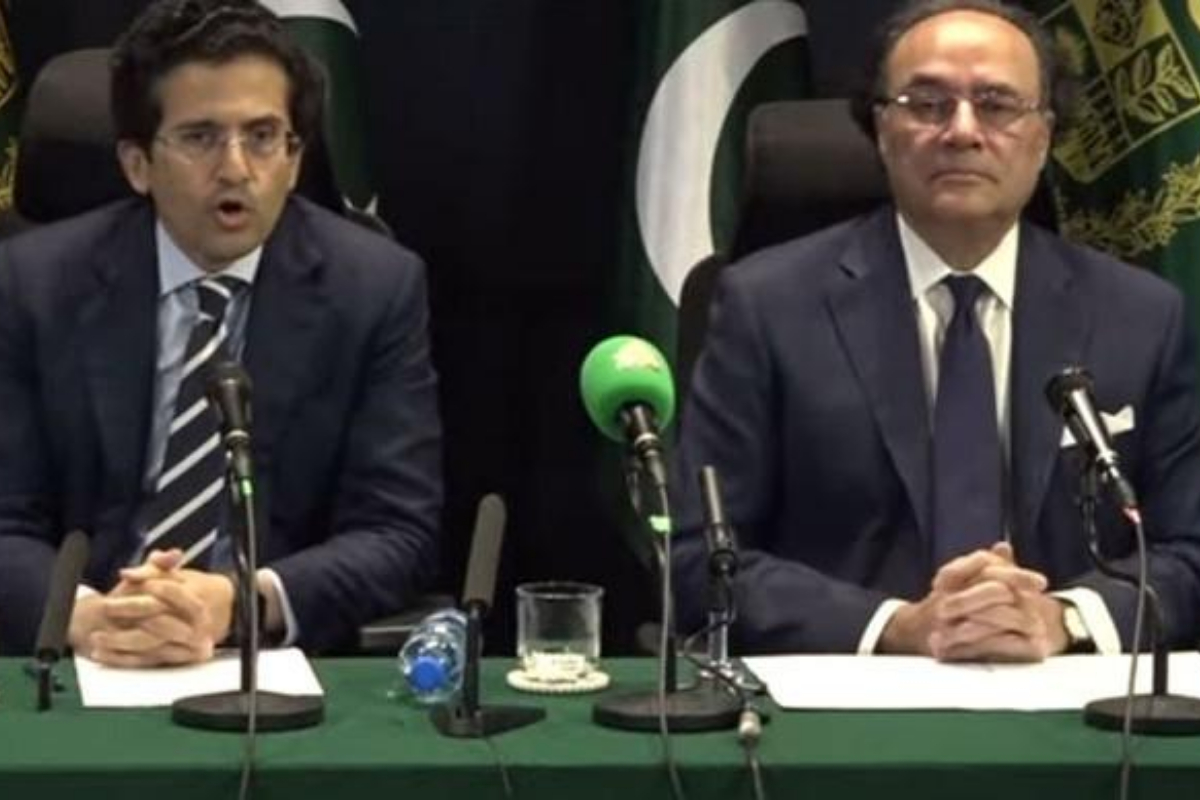
Federal Minister for Petroleum Ali Pervaiz Malik and Finance Minister Muhammad Aurangzeb jointly addressed a press conference, confirming that petrol prices have been increased by Rs137.23 per litre, bringing the new rate to Rs458.40 per litre.

Diesel prices have also surged by Rs184.49 per litre, with the new price set at Rs520.35 per litre. An official notification has been issued, and the revised prices will come into effect from midnight tonight.

The finance minister announced a targeted subsidy package aimed at easing the burden on lower-income groups. He said motorcyclists will receive a subsidy of Rs100 per litre on up to 20 litres of petrol per month.

Additionally, intercity public transport will be provided a subsidy of Rs100 per litre on diesel, while truck and goods transport operators will receive a monthly fuel subsidy of Rs70,000. The government will also extend support to Pakistan Railways to help manage fare increases.

Aurangzeb said the decisions were taken in consultation with the country’s leadership, emphasizing that the shift from blanket subsidies to targeted relief is intended to ensure assistance reaches those who need it most.

Petroleum Minister Ali Pervaiz Malik said the global situation, particularly ongoing regional tensions, has severely impacted energy markets. He noted that crude oil prices have witnessed record increases, with diesel in international markets exceeding $250 per barrel.

He highlighted that global supply routes, particularly through the Strait of Hormuz, remain under pressure, and even countries with strategic reserves have declared energy emergencies.

Malik stressed that the government had made every effort to protect citizens through austerity measures and expenditure cuts, but was ultimately compelled to increase prices due to international commitments and rising costs.

He added that a high-level meeting involving the prime minister and chief ministers concluded that blanket subsidies were no longer sustainable amid soaring global prices.

“Timely decisions ensured uninterrupted fuel supply,” he said, adding that the government remains committed to mitigating the impact on the public while navigating the ongoing economic challenges.