BREAKING NEWS
Advertise with us >

Pakistan releases footage of strikes on Kandahar Airfield oil sites

Pakistan releases

ISLAMABAD: Pakistan’s armed forces are continuing Operation Ghazab-Lil-Haq in response to alleged provocations from Afghanistan, security sources said.

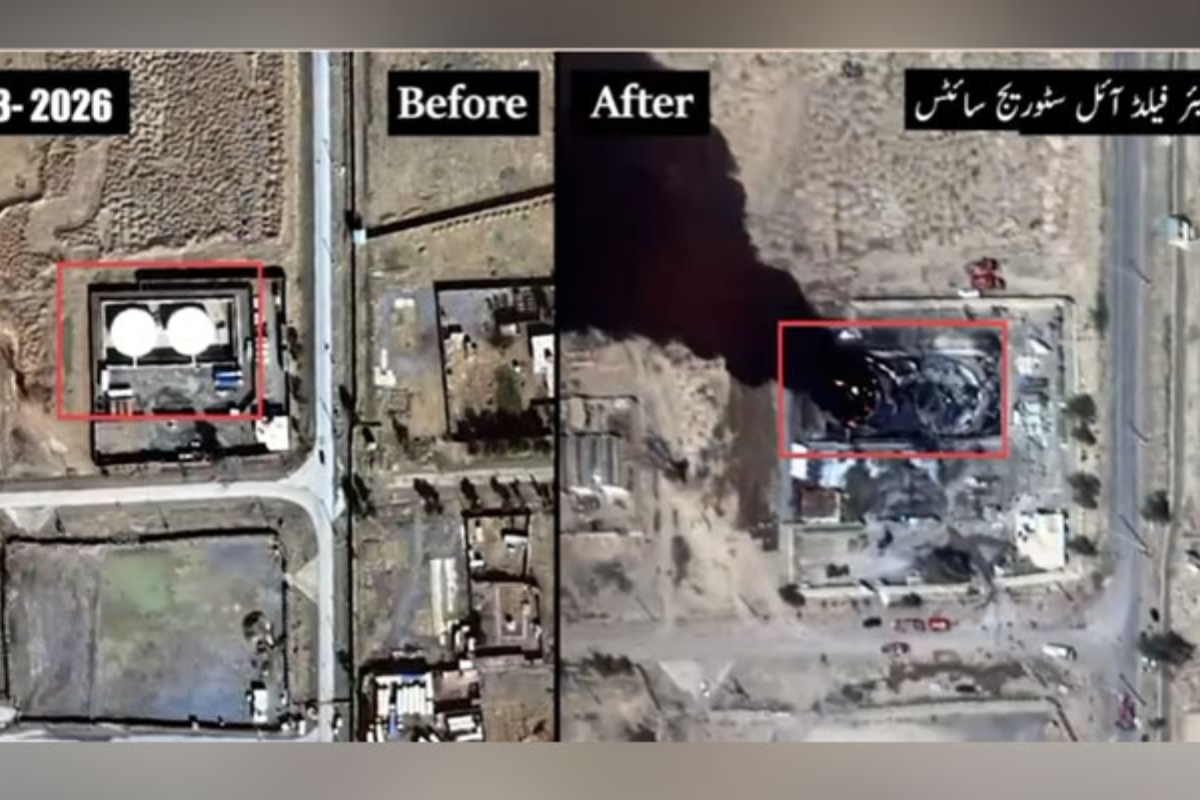
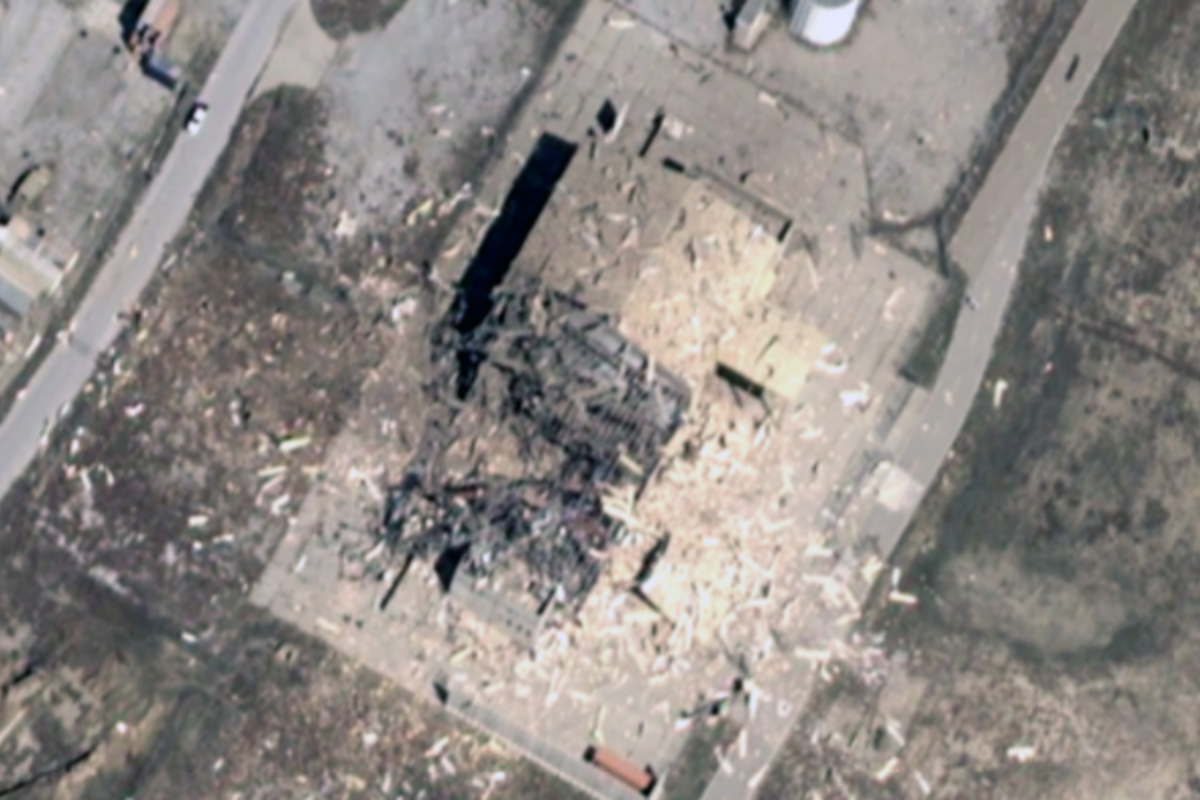
According to the sources, videos have been released showing strikes carried out by the Pakistan Army on oil dump sites at Kandahar Airfield during the night of March 12 and 13.

The footage reportedly shows clear scenes before and after the attacks, with the targeted oil storage facilities appearing to be destroyed following the strikes.

Security officials claimed the oil storage sites were being used by the Afghan Taliban and militant groups to support their operations.

Sources added that actions under Operation Ghazab-Lil-Haq will continue until the mission objectives are achieved.

PM Shehbaz pledges unwavering support to Saudi Arabia

PM Shehbaz pledges

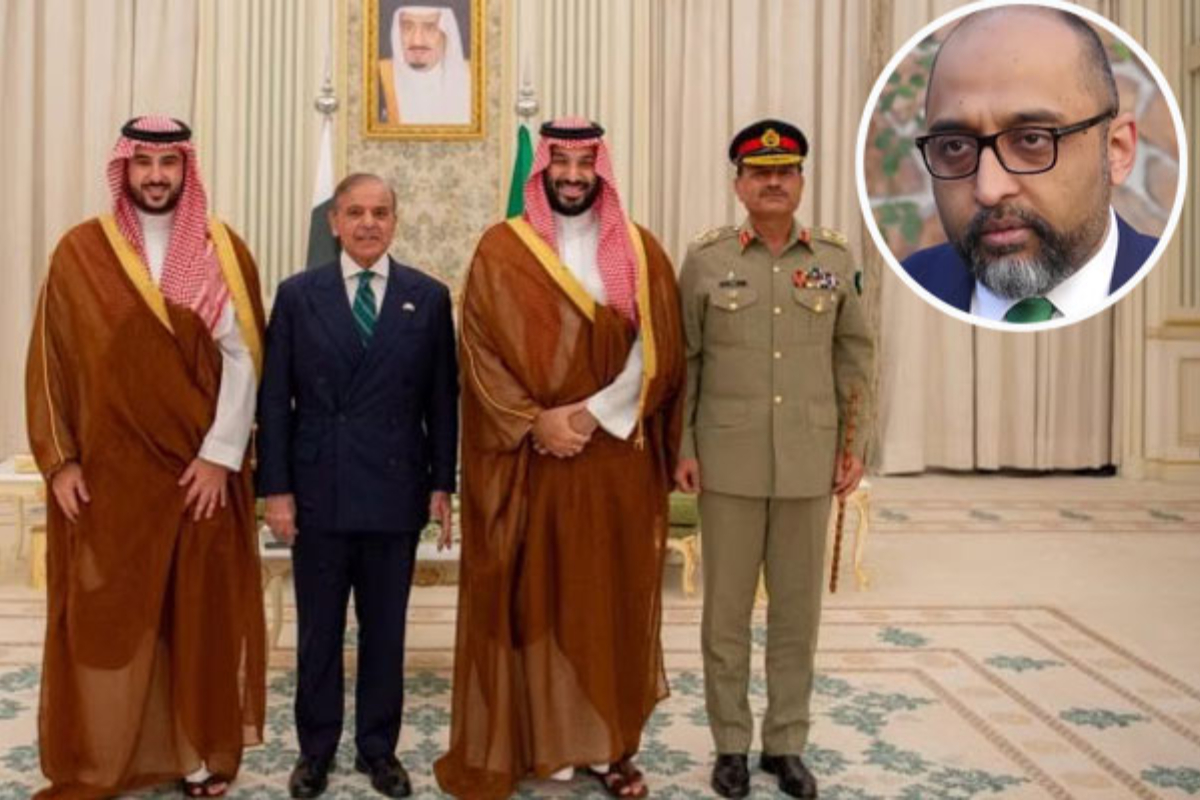
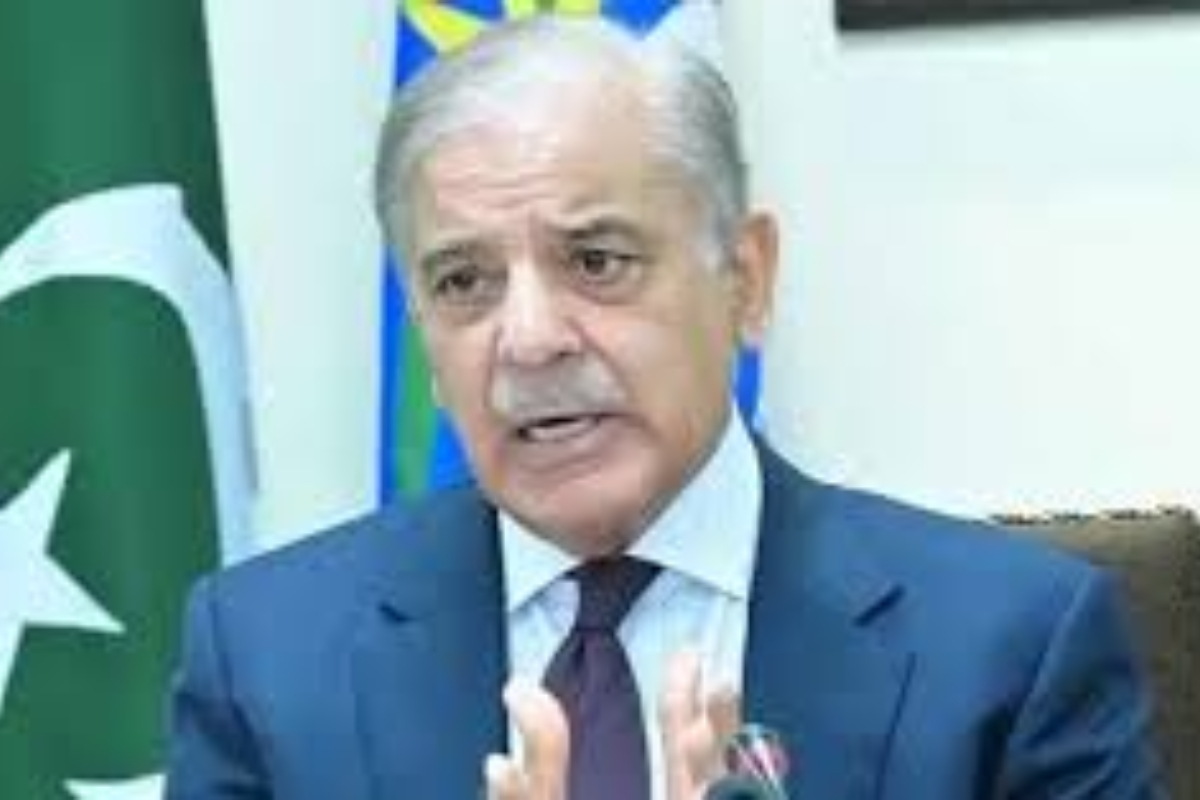
Jeddah: Prime Minister Shehbaz Sharif met with Saudi Crown Prince Mohammed bin Salman in Jeddah during a period of heightened tensions in the Middle East, reaffirming Pakistan’s full solidarity with Saudi Arabia during challenging times.

The high-level meeting was attended by Pakistan’s Deputy Prime Minister Ishaq Dar and Chief of Army Staff Syed Asim Munir.

During the discussions, Prime Minister Shehbaz Sharif reiterated Pakistan’s unwavering support for Saudi Arabia, emphasizing that Islamabad stands firmly with Riyadh in difficult circumstances.

The two leaders held detailed talks on the latest developments in the region and exchanged views on the evolving security and political situation in the Middle East.

Both sides also agreed to continue working closely to promote peace, stability, and cooperation across the region.

Speaking during the meeting, Prime Minister Shehbaz Sharif stated that Pakistan has always stood shoulder to shoulder with Saudi Arabia and will continue its efforts to achieve the shared objective of peace and stability in the region.

Eid ul Fitr 2026 expected on March 21 in Pakistan

Eid ul Fitr

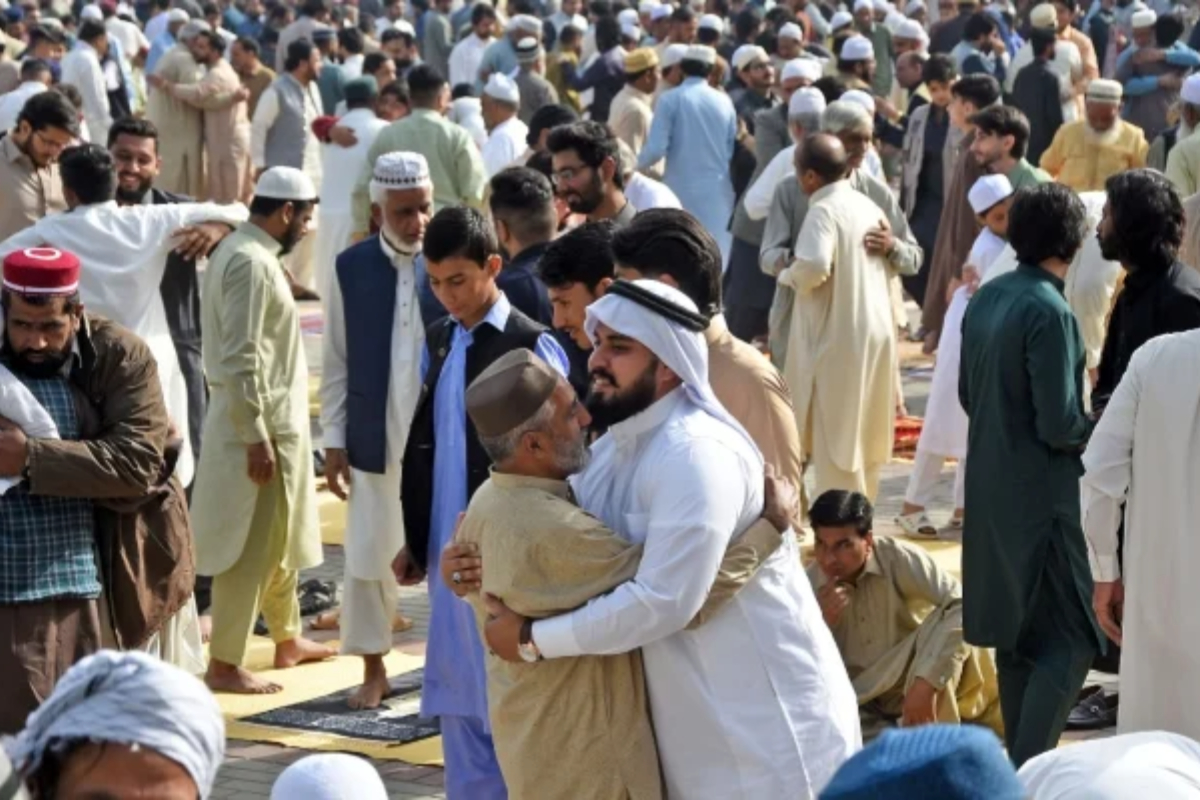
ISLAMABAD: Eid ul Fitr 2026 is expected to be observed on Saturday, March 21, in Pakistan, marking the end of the holy month of Ramadan, which completes a 30-day cycle this year.

Astronomical experts have indicated that the Shawwal crescent moon is unlikely to be sighted on the evening of March 19.

According to the Pakistan Space and Upper Atmosphere Research Commission (Suparco), the new moon of Shawwal 1447 AH will be born on March 19, 2026, at 6:23 AM PST.

At sunset on the same day, the moon will be approximately 12 hours and 41 minutes old, with a 28-minute interval between sunset and moonset along Pakistan’s coastal regions, making crescent visibility unlikely.

Based on these calculations, astronomers predict Eid ul Fitr to fall on March 21, though the Central Ruet-e-Hilal Committee will make the final declaration regarding the moon sighting and the official start of the festival across the country.

Eid ul Fitr is celebrated worldwide by Muslims after a month-long fast during Ramadan, a period devoted to patience, self-discipline, and charitable acts. In Pakistan, Ramadan 2026 began on February 19, following the Ruet-e-Hilal Committee’s announcement by Chairman Maulana Abdul Khabeer Azad.

As Islamic months follow the lunar calendar, lasting 29 or 30 days, the dates of Ramadan and Eid shift approximately 10 days earlier each year in the Gregorian calendar.

This year, the ninth month of the Islamic calendar completes its cycle on March 20, paving the way for the joyous celebration of Eid ul Fitr.

Pakistan will stand by Saudi Arabia in all circumstances, says PM’s spokesperson

Pakistan will stand

ISLAMABAD: Prime Minister’s spokesperson for foreign media Musharraf Zaidi has said that Pakistan will stand with Saudi Arabia at all times and under all circumstances, adding that Islamabad would extend support to the Kingdom if required.

Speaking to an international publication, Zaidi stated that there was no question about Pakistan’s commitment to Saudi Arabia. He emphasized that security cooperation between the two countries is not new, noting that Pakistan and Saudi Arabia have long maintained close coordination on defense and strategic interests.

He further revealed that a Pakistani Field Marshal recently met the Saudi Defense Minister in Riyadh, where both sides discussed joint defense measures and cooperation.

Zaidi also said that Foreign Minister Ishaq Dar has been in contact with Iran’s Foreign Minister since the beginning of the conflict, highlighting Pakistan’s ongoing diplomatic engagement in the region.

PM cuts office days, halts overseas trips for officials

PM cuts office

Prime Minister Shehbaz Sharif has announced a series of austerity measures aimed at reducing government expenditures amid the country’s challenging economic conditions, including a 50% reduction in fuel for official vehicles for two months.

Speaking in Islamabad, the prime minister warned that petroleum prices may rise further in the coming days, prompting the government to implement strict cost-cutting steps across public institutions.

Under the new measures, fuel allocation for government vehicles will be reduced by half for two months, while 60% of vehicles used by all government departments will remain off the roads during the same period.

The prime minister also announced that federal cabinet members will not receive their salaries for two months, while members of parliament will face a 25% salary reduction.

In addition, senior officers in Grade 20 and above earning more than Rs300,000 per month will have two days’ salary deducted. Government departments have also been directed to cut non-salary expenditures by 20%.

The government has imposed a ban on foreign visits by federal and provincial ministers and officials, allowing travel only in cases of urgent national interest. Authorities have been instructed to prioritise teleconferencing and online meetings instead.

Furthermore, the prime minister announced a complete ban on official dinners and iftar gatherings, while seminars and conferences will now be held in government buildings instead of hotels.

According to the new policy, 50% of staff in both public and private institutions will work from home, and government offices will operate four days a week. However, the additional weekly holiday will not apply to banks.

The prime minister also declared two weeks of holidays for public educational institutions starting next week as part of the broader measures.

Security forces continues ‘Operation Ghazab-Lil-Haq’ against Afghan Taliban

Security forces

ISLAMABAD: The Pakistan Army has continued Operation Ghazab-Lil-Haq in response to what security officials described as an unprovoked action from across the Pakistan-Afghanistan border.

According to security sources, Pakistani forces carried out an aerial strike in North Waziristan along the border, destroying several positions belonging to the Afghan Taliban.

Sources said the operation inflicted heavy losses on the militants, forcing them to retreat. Several fighters were reportedly killed in the strikes, while others fled the area.

Security officials added that both ground and aerial operations against Afghan Taliban elements and militants linked to Tehrik-i-Taliban Pakistan—referred to by authorities as Fitna al-Khawarij—are continuing in the border region.

The military operation will continue until its objectives are fully achieved, security sources said.

Pakistan raises petrol, diesel prices by Rs55 per litre

Pakistan raises petrol

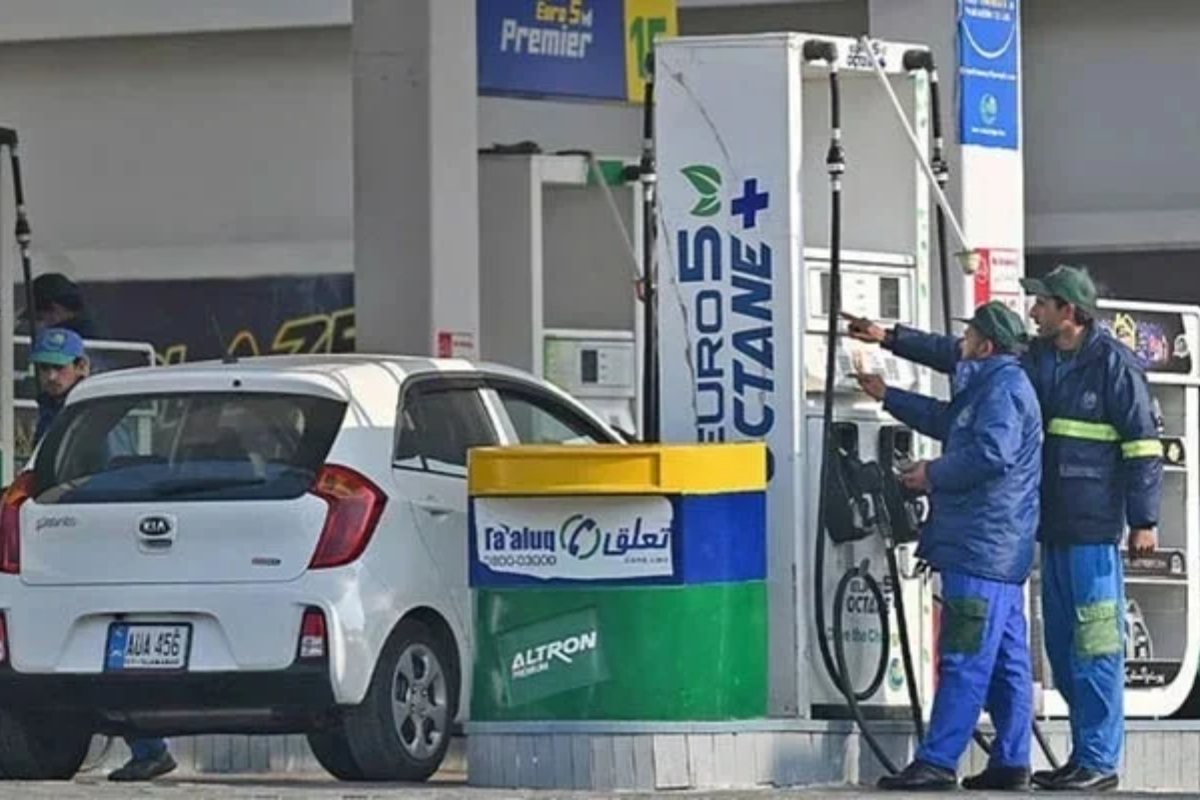
The government of Pakistan has announced a sharp increase in petroleum product prices, raising the rates of petrol and diesel by Rs55 per litre due to the ongoing regional situation and rising global fuel prices.

The announcement was made during a press conference in Islamabad by Deputy Prime Minister Ishaq Dar, Finance Minister Muhammad Aurangzeb, and Petroleum Minister Ali Pervaiz Malik.

Speaking at the briefing, Ishaq Dar said the region is facing a war-like situation, which has pushed petroleum prices sharply upward in international markets.

He added that Shehbaz Sharif is deeply concerned about the situation and personally chaired a meeting earlier in the day to review the matter.

Dar said the government had to carefully assess how much the prices should be increased in order to find a balanced solution.

He also noted that Pakistan has been in contact with foreign ministers of several countries as part of diplomatic efforts aimed at reducing regional tensions.

“The prime minister and the field marshal are also in contact with their counterparts in different countries,” he said, adding that authorities are reviewing the situation daily as global petroleum prices continue to surge.

Petroleum Minister Ali Pervaiz Malik said the country is currently going through extraordinary circumstances, as the situation in neighbouring regions has affected the entire area.

He stated that the government had already increased national fuel reserves in anticipation of potential supply disruptions and is working to manage the situation with a strategic approach.

The minister said the decision to increase fuel prices was difficult but necessary, adding that prices would be reduced quickly once the situation improves. He also confirmed that the government will now review petroleum prices on a weekly basis.

Following the increase, the new price of petrol has been set at Rs321.17 per litre, while diesel will now cost Rs335.86 per litre.

PM approves weekly pricing mechanism for petroleum products

PM approves weekly

Prime Minister Shehbaz Sharif has approved a weekly pricing mechanism for petroleum products in view of the evolving regional situation and potential energy challenges.

The decision was taken during a meeting of the committee on petroleum product stocks and consumption, chaired by the prime minister in Islamabad.

 During the meeting, the finance minister briefed the premier on the current fuel supply situation and policy options.

According to sources, the committee presented recommendations regarding weekly adjustments in petroleum prices, which were approved by the prime minister.

Under the proposed framework, the Economic Coordination Committee (ECC) will review and recommend weekly petroleum price adjustments. After ECC approval, the final summary will be submitted to the federal cabinet for formal approval.

Sources added that a comprehensive plan aimed at addressing potential energy challenges—similar to measures adopted during the COVID-19 period—has been finalized and may be announced soon.

The prime minister also directed the finance minister to consult with provincial governments and present a proposal on work-from-home arrangements for offices by Monday. Additionally, a plan for virtual learning in educational institutions is also under consideration.

Officials believe these measures could help reduce fuel demand and ensure efficient use of existing petroleum stocks.

Meanwhile, the Ministry of Petroleum informed the meeting that the country currently has adequate petroleum reserves to meet national requirements.

Prime Minister Shehbaz Sharif further instructed authorities to take strict legal action against hoarders of petroleum products. He directed that petrol pumps found involved in creating artificial shortages should be immediately shut down.

The prime minister also ordered the Oil and Gas Regulatory Authority (OGRA) to cancel the licenses of petrol pumps involved in artificial shortages and initiate legal proceedings against them.

He directed the petroleum minister to visit provinces and coordinate with provincial governments to develop a strategy ensuring fuel conservation and uninterrupted supply to the public.

Furthermore, the prime minister instructed authorities to establish a digital dashboard to monitor the movement of petroleum products, allowing real-time data sharing with provincial governments to ensure transparent monitoring of fuel transportation across the country.

Pakistan voices concern over India–Canada uranium supply deal

Pakistan voices

Islamabad: Pakistan has expressed concern over a uranium supply agreement between India and Canada, warning that the deal could disturb the strategic balance in South Asia.

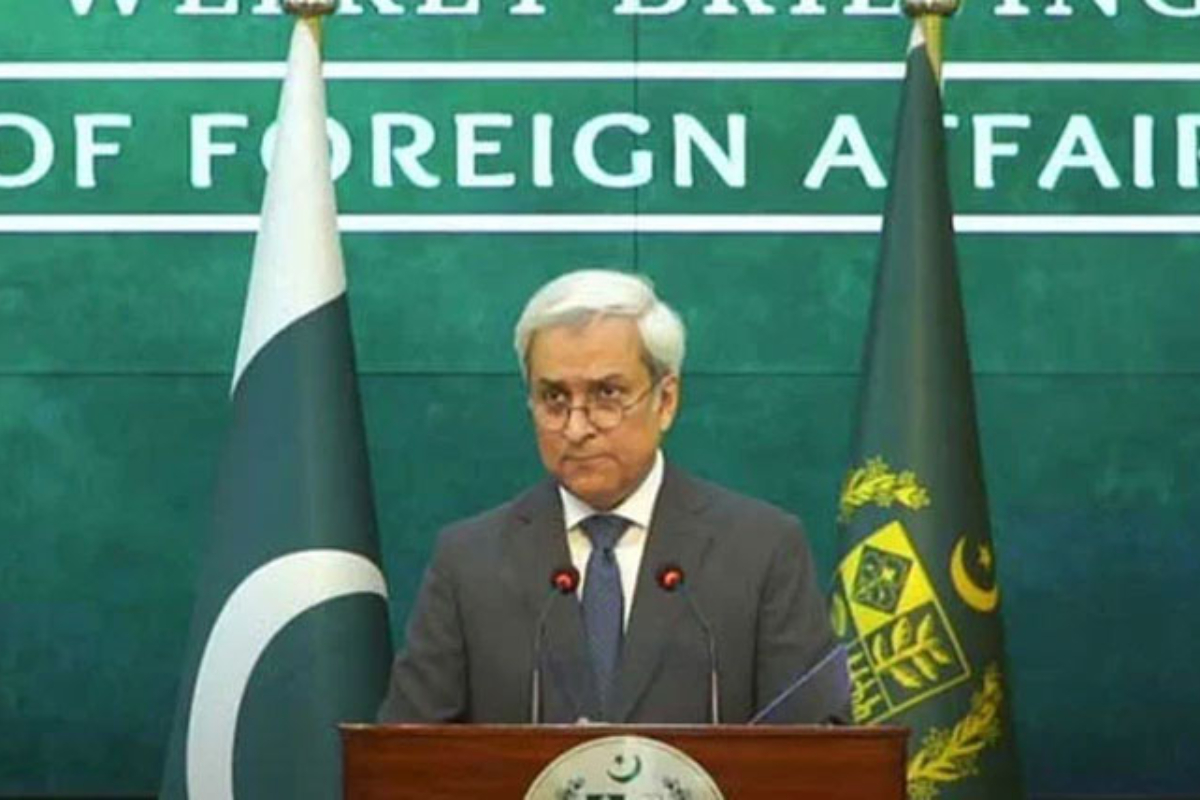
Foreign Office spokesperson Tahir Hussain Andrabi said the agreement represents another exception in the framework of civil nuclear cooperation. He noted that India’s 1974 nuclear test had originally led to the creation of the Nuclear Suppliers Group (NSG).

He pointed out that India has not placed all of its civilian nuclear facilities under the safeguards of the International Atomic Energy Agency (IAEA), and several of its nuclear installations remain outside international inspections.

According to the Foreign Office, external uranium supplies to India could potentially contribute to the expansion of its nuclear weapons stockpile.

The spokesperson further stated that such agreements may undermine the strategic stability of South Asia. Pakistan reiterated its call for a non-discriminatory and principles-based framework for civil nuclear cooperation, emphasizing that selective exceptions weaken the credibility of the global non-proliferation regime.

Pakistan urged the international community to adopt uniform standards based on global rules rather than discriminatory arrangements, warning that Canada’s move could damage the credibility of the international nuclear non-proliferation system.

Pakistan destroys TTP infrastructure in Afghanistan, achieves target in Bagram

Pakistan destroys TTP

ISLAMABAD: Security sources say Pakistan has successfully achieved its target in Bagram, destroying the ammunition support infrastructure used by the Afghan Taliban regime to assist militants.

According to the sources, the ongoing Operation Ghazab-Lil-Haq is not directed against the Afghan people but solely against terrorism. They said the Afghan Taliban regime is involved in terrorist incidents in Pakistan and Khyber Pakhtunkhwa.

The sources maintained that Pakistan is conducting intelligence-based operations in Afghanistan, and civilians are not being targeted. “Our strategy focuses only on terrorist hideouts, not civilian populations,” they added.

Security officials claimed that several mid-level leaders of the Tehreek-e-Taliban Pakistan (TTP) were killed in the strikes. They said Pakistan has carried out more than 50 strikes against positions linked to the Afghan Taliban regime.

Sources further stated that Pakistan has so far destroyed 226 TTP checkpoints in Afghanistan and captured 36 others.

They emphasized that the Pakistani government’s role in the operation is balanced and called for national unity to make Operation Ghazab-Lil-Haq successful. “Our only demand from Afghanistan is that its territory should not be used for terrorism against Pakistan,” the sources said.

Referring to a United Nations report, they noted that 22 terrorist organizations are currently operating in Afghanistan. They also alleged that the Afghan Taliban were involved in recent incidents in Bajaur, Tarlai Mosque, and Wana.

The sources stressed the need for full implementation of the National Action Plan, saying the fight against terrorism must rise above politics. They added that if the Khyber Pakhtunkhwa Police were given full political independence, it could effectively combat terrorism on its own.

Security officials said Pakistan is not concerned about who governs Afghanistan, but is focused solely on eliminating terrorism. They clarified that no large-scale operation is underway in Tirah, and only intelligence-based operations are being conducted there.

The sources also accused India of supporting terrorism in Pakistan with the backing of the Afghan Taliban regime, claiming that decisions within the regime are being influenced by external actors.

They noted that although Pakistan’s defence budget is smaller than Iran’s, the country remains among the world’s most powerful militaries and maintains good relations with China, Russia, and the United States.

According to the sources, Pakistan did not act in response to any particular statement but carried out operations strictly to achieve its targets. “Strikes in Afghanistan will continue until the objectives are fully achieved,” they said.

They also rejected the notion that Afghanistan is the “graveyard of empires,” saying it has instead become a playground where global powers pursue their interests.

The sources claimed that threats attributed to the TTP are being circulated deliberately and described Afghanistan as a “master proxy.”

They reiterated that Pakistan has no intention of conquering Afghanistan and that the Afghan people themselves will decide any regime change.

Finally, Pakistan has conveyed a clear message to Afghanistan: hand over the TTP leadership to Pakistani authorities.