BREAKING NEWS
Advertise with us >

Lahore tops pollution index as air quality worsens in major cities

Lahore tops pollution

KARACHI: Air quality levels in all four provincial capitals have deteriorated significantly, raising environmental and health concerns.

According to the global environmental monitoring website, Lahore topped the list of the most polluted cities in the world with a particulate matter (PM) level of 253. Quetta followed with 248, while Peshawar and Karachi recorded PM levels of 243 and 236 respectively.

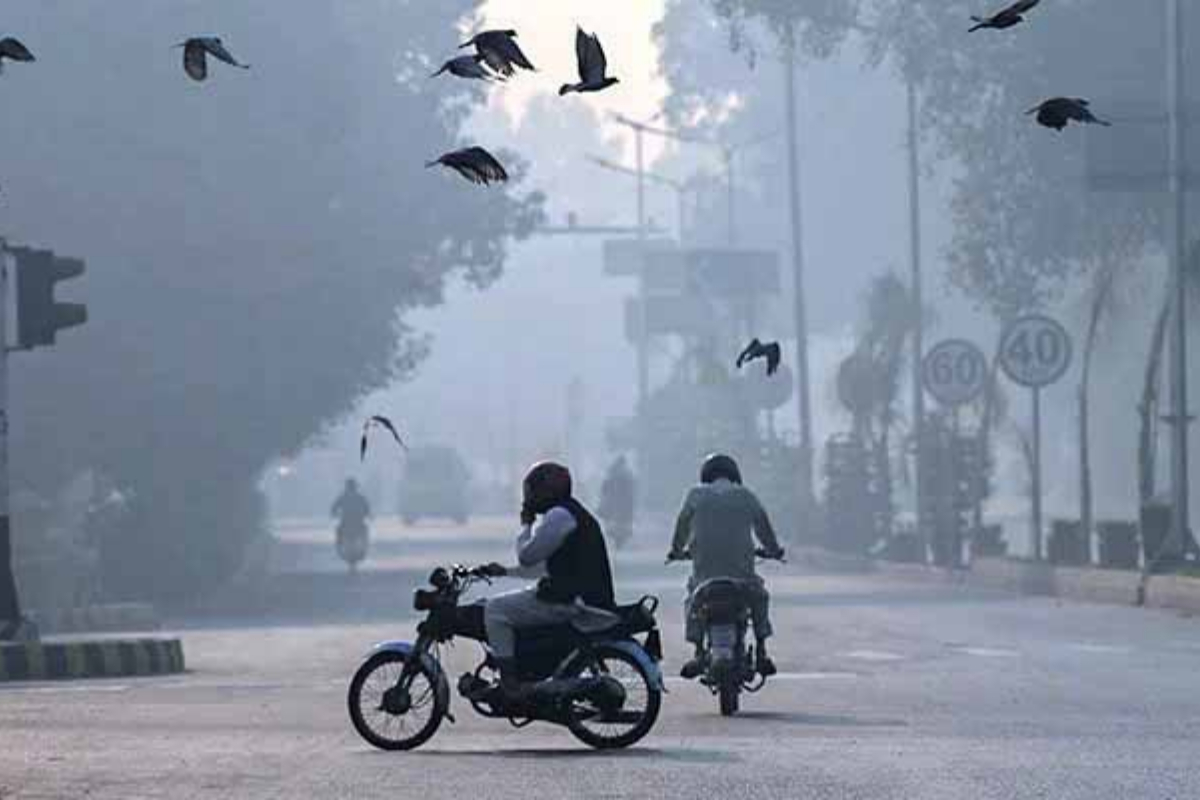
Dense smog continues to blanket parts of Punjab and Khyber Pakhtunkhwa, severely affecting visibility. Due to poor conditions, Motorway M-1 has been closed from Peshawar to Burhan, and M-5 remains shut from Zahir Pir to Sher Shah.

Meanwhile, most parts of the country are expected to remain cold and dry today, while upper hilly regions may experience very cold conditions during morning and night hours.

Smog is likely to prevail in plain areas of Punjab and Khyber Pakhtunkhwa, with chances of fog at a few locations during late night and early morning.

Cold and dry weather is also forecast for Islamabad and surrounding areas.

TIP NCPS 2025 finds police, judiciary leading corruption

TIP NCPS 2025

ISLAMABAD: According to the National Corruption Perception Survey (NCPS) 2025 released by Transparency International Pakistan (TIP), police, tender and procurement departments, and the judiciary are perceived as the most corrupt sectors in Pakistan.

 A large majority of respondents also consider provincial governments more corrupt than local governments.

The survey found that 77% of participants are dissatisfied with government efforts to curb corruption. Dissatisfaction was highest in Balochistan (80%), followed by Punjab (78%), and Sindh and Khyber Pakhtunkhwa (75%).

Encouragingly, 66% of respondents reported that they had not been asked for bribes in the past year. Regarding economic conditions, 57% said their purchasing power decreased over the past 12 months, while 43% reported improvements.

Nevertheless, 58% of respondents (40% partially, 18% fully) agreed that government measures, including the IMF program and exiting the FATF grey list, helped stabilize the economy.

Public opinion on political funding and advertisements

Public opinion strongly favors political funding reforms:

42% want a complete ban on business funding of political parties.

41% support regulated funding, creating an overall support of 83%.

55% believe government advertisements should not include political party names or leadership images.

Sector-wise corruption perception

Police topped the list nationally with 24% reporting it as the most corrupt sector. Punjab showed the worst perception at 34%, followed by Balochistan (22%), Sindh (21%), and Khyber Pakhtunkhwa (20%).

Tender and procurement: Balochistan (23%) showed the highest concern.

Judiciary: Khyber Pakhtunkhwa (18%) and Punjab (17%) had the highest perception of corruption.

Provincial governments and accountability

59% of respondents view provincial governments as more corrupt than local bodies, with Punjab leading at 70%.

Strong distrust of anti-corruption institutions was noted, with 78% wanting self-accountability mechanisms for bodies like NAB and FIA.

Main causes of corruption identified were: lack of transparency (35%), absence of independent oversight (33%), and perception of political revenge (32%).

Healthcare sector corruption

67% said corruption in healthcare significantly affects people’s lives.

Hospitals (38%), doctors (23%), and pharmaceutical sector (21%) were reported as most corrupt.

Provincial variations: hospitals – Sindh 49%, KPK 46%, Balochistan 32%, Punjab 26%; doctors – Balochistan 35%; pharmaceutical – Punjab 30%.

Measures suggested: strict action against pharma commissions (23%), ban on public-sector doctors’ private practice (20%), stronger regulations (16%).

Bribery and reporting awareness

Highest bribery reported in Sindh (46%), followed by Punjab (39%), Balochistan (31%), and Khyber Pakhtunkhwa (20%).

70% are unaware of official corruption reporting mechanisms; of the 30% who are aware, only 43% have ever reported an incident.

Anonymous reporting (38%) and rewards (37%) could encourage more people to report corruption.

Charity and tax-exempt organizations

51% believe NGOs, trusts, hospitals, and educational institutions with tax exemptions should not charge fees.

53% want these organizations to disclose donors and donations publicly.

The NCPS 2025 reflects public perception trends and highlights the urgent need for stronger transparency, accountability, and reforms in governance across Pakistan.

8 in 10 citizens without safe drinking water, says ADB

ADB

ISLAMABAD: The Asian Development Bank (ADB) warns that nearly 80% of Pakistanis lack access to safe drinking water, according to its latest Water Development Outlook report.

The report highlights that Pakistan will need between $3.5 billion and $4.2 billion over the next decade to improve water governance.

 Due to population growth, per capita water availability has decreased by 2,400 cubic meters, dropping from 3,500 cubic meters in 1972 to 1,100 cubic meters per person by 2030. The lack of safe drinking water is contributing to the rapid spread of diseases.

ADB further notes that excessive water use in agriculture is causing depletion and pollution, while challenges in water flow and infrastructure put Pakistan’s river systems at risk.

 Rural water supply remains inefficient, and monitoring mechanisms are weak. Policies for water availability and safe water provision are not aligned with demand, affecting agriculture, industry, and the energy sector.

Urban areas face a nearly 10% annual increase in water demand, compounded by untreated water and urban flooding, threatening public health and essential services.

 The report also points to aging urban water infrastructure, minimal private investment, and environmental risks from population growth and urban sprawl.

While Pakistan has made progress in developing a water governance framework, funding for an improved water system remains insufficient. Urban water losses are high, tariff recovery is low, and billing systems are inadequate.

The ADB emphasizes that large infrastructure projects, institutional partnerships, technical capacity building, and financial planning are crucial to enhancing water security.

According to current exchange rates, Pakistan would need to invest approximately PKR 12 trillion to upgrade its water systems.

Despite these challenges, the report notes improvements in Pakistan’s water security score over the past 13 years, highlighting gradual progress in water infrastructure development.

Bilawal Bhutto urges political parties to respect institutional boundaries

Bilawal Bhutto

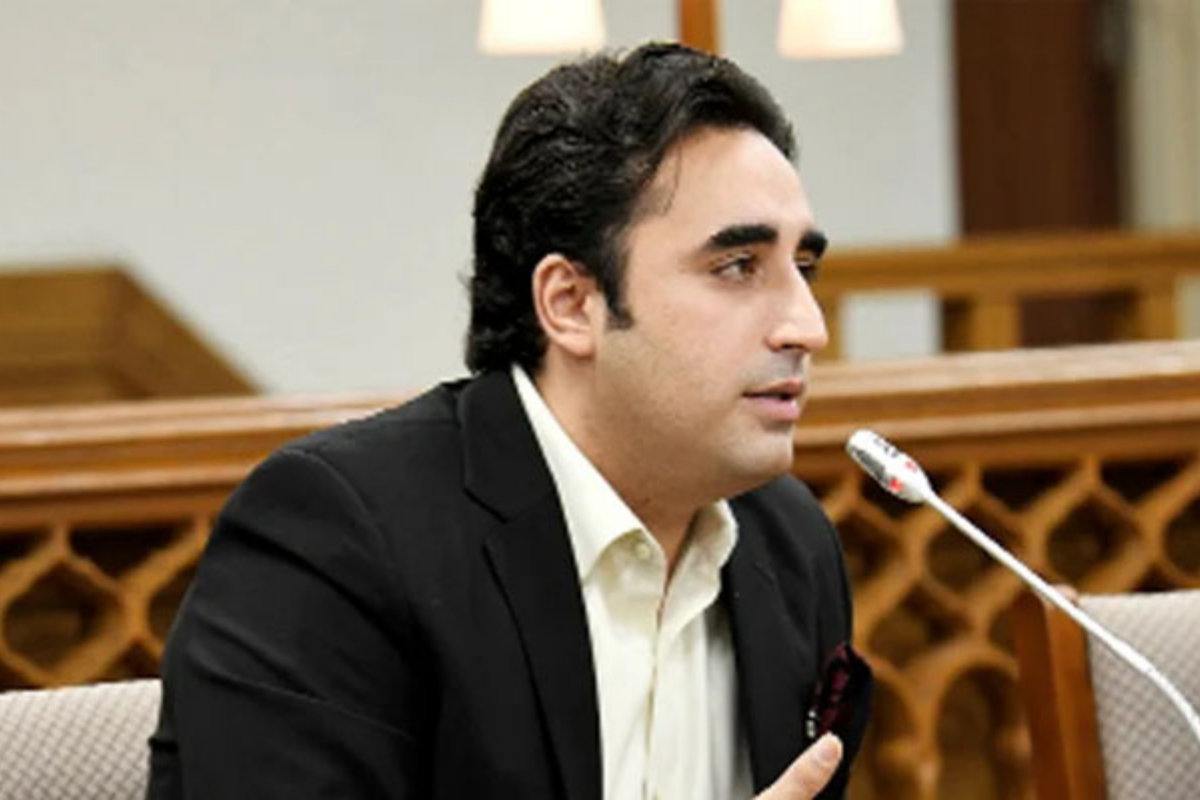
LAHORE: Pakistan Peoples Party (PPP) Chairman Bilawal Bhutto Zardari has criticized a political party for targeting national institutions, stating that all organizations should operate within their respective mandates, while political parties should conduct their activities within the political sphere.

Speaking at a meeting, Bilawal emphasized that adhering to the political domain ensures that parties do not create difficulties for themselves or others. He also stressed the need to counter attempts to target the military in a non-political manner.

The PPP chairman held discussions at the Governor House Lahore with over 70 ticket holders from Punjab. The meeting focused on political matters, including preparations for the upcoming local government elections in the province.

During the session, Dost Muhammad Khosa reportedly briefed Bilawal Bhutto on alleged irregularities in his constituency, NA-185.

CTD Punjab arrests 12 terrorists linked to Indian spy agency

CTD Punjab

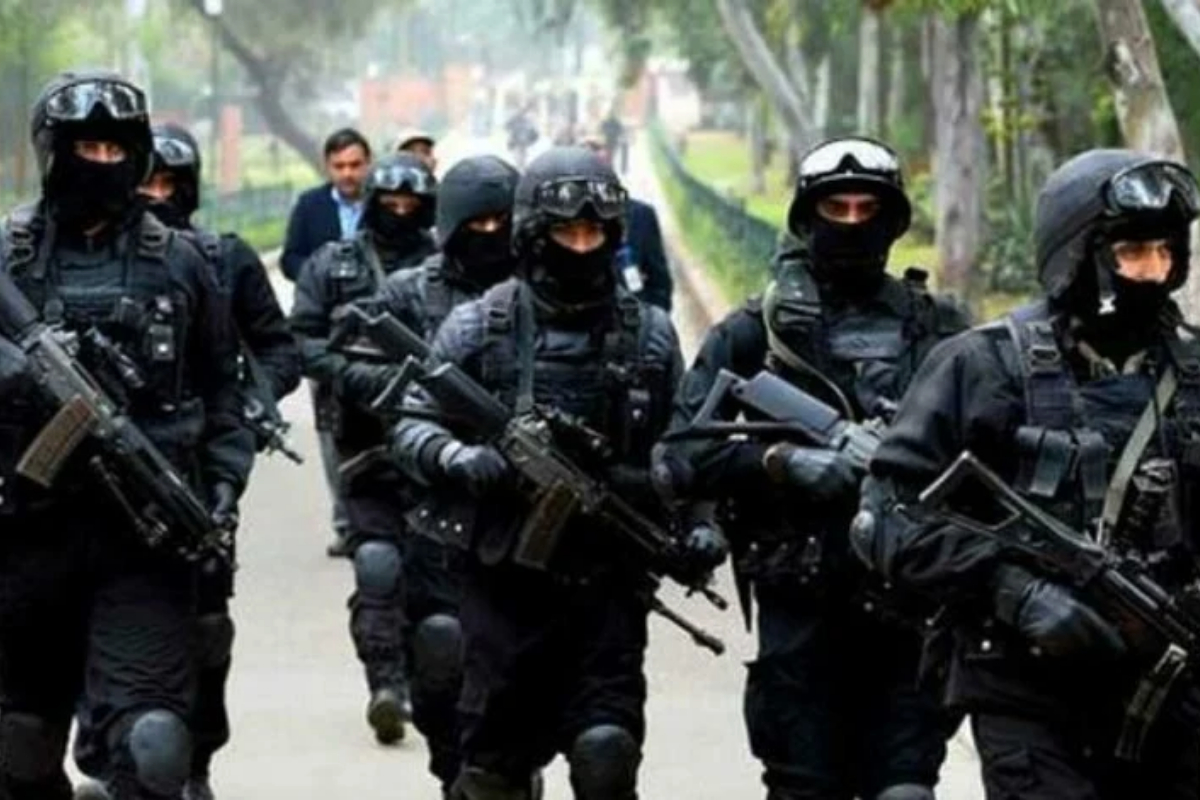
LAHORE: The Counter-Terrorism Department (CTD) Punjab has arrested 12 terrorists from Lahore, Faisalabad, and Bahawalpur over alleged links with India’s notorious intelligence agency, RAW.

According to CTD officials, weapons, explosives, and detonators were recovered from the suspects. Additionally, sensitive photographs and videos of key installations and institutions, allegedly collected for RAW, were seized.

The CTD spokesperson stated that images, videos, and location data of a madrasa and a local fair were also recovered from the arrested individuals.

The suspects from Lahore include Sukhdeep Singh, Azmat, Faizan, Nabeel, Abrar, Usman, and Sarfaraz  while Danish from Faisalabad and from Bahawalpur, Rajab, Hashim, Saqib, and Arif, affiliated with the group Fitna-e-Hindustan.

The spokesperson added that the arrests were made with the help of a Facebook ID operated from India under the name “Adil.” Notably, suspect Sukhdeep Singh, a convert from Christianity, had recently changed his religion.

Investigators revealed that the terrorists received significant funding from RAW. Cases have been registered against all the suspects, and investigations are currently underway.

IMF board to review $1.2b aid tranche for Pakistan today

IMF board

NEW YORK: The International Monetary Fund (IMF) Executive Board is scheduled to meet today to consider approval of a $1.2 billion aid tranche for Pakistan under the Extended Fund Facility (EFF).

The package includes $1 billion for general support and $200 million to enhance disaster resilience and sustainable development.

Ahead of the meeting, Pakistan released an IMF-backed report on corruption and governance, fulfilling the Fund’s pre-condition for board approval.

The report follows staff-level agreements reached between Pakistan and the IMF in October, after negotiations held from September 24 to October 8 in Karachi, Islamabad, and Washington.

The discussions reviewed Pakistan’s fiscal performance, financial policies, reforms, and climate-related measures, with the IMF staff mission expressing satisfaction over the country’s economic progress. The Fund also praised the State Bank of Pakistan’s strict monetary policy, recommending its continuation.

Economic experts note that IMF bailout packages are crucial for Pakistan, which has long relied on financial support from bilateral partners such as Saudi Arabia, China, and the UAE, as well as multilateral institutions including the World Bank, Asian Development Bank, and Islamic Development Bank.

Pakistan continues to face a prolonged macroeconomic crisis affecting foreign reserves, fiscal resources, and the balance of payments. However, since 2022, Islamabad has achieved some successes, including a current account surplus and a significant reduction in inflation.

Pakistan, Indonesia to strengthen ties with new MoUs across key fields

Pakistan

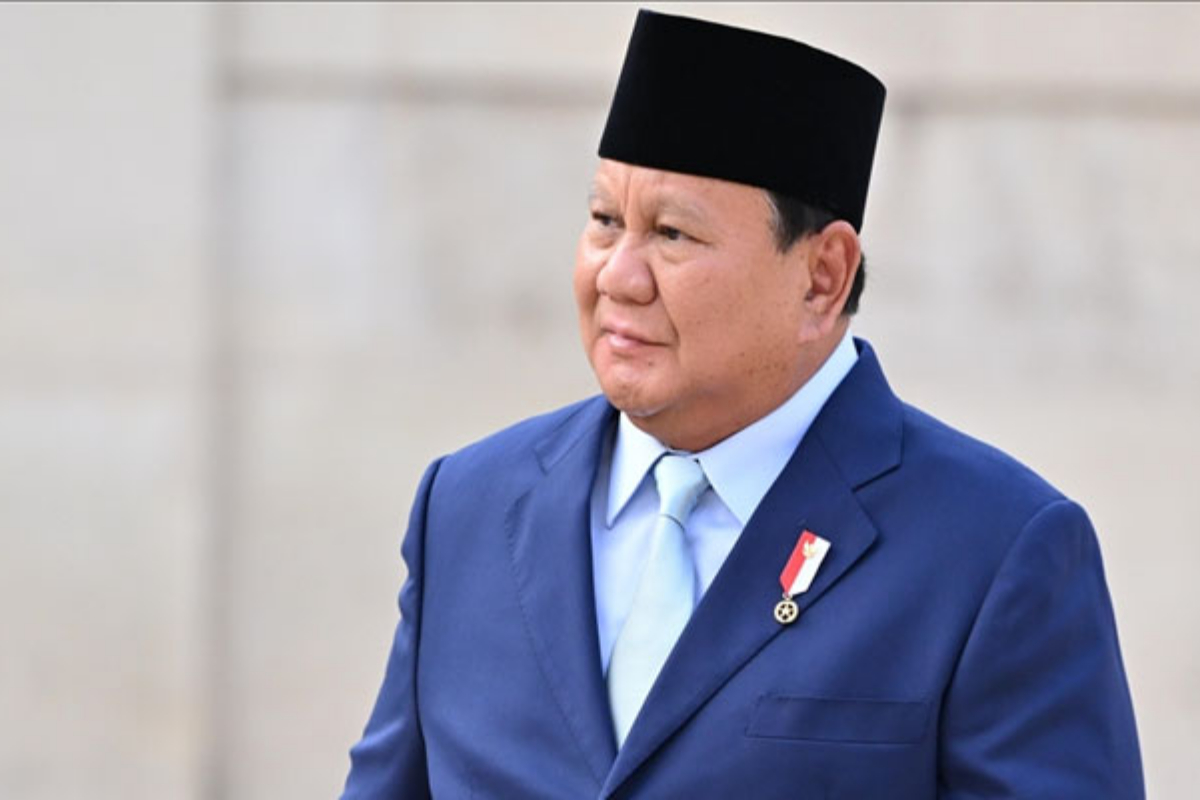
ISLAMABAD: Indonesian President Prabowo Subianto is scheduled to arrive in Pakistan today for a two-day official visit, marking the 75th anniversary of diplomatic relations between Pakistan and Indonesia.

According to the Foreign Office spokesperson, President Subianto is visiting Pakistan on the invitation of Prime Minister Shehbaz Sharif. During the visit, he will hold delegation-level talks with the Prime Minister.

The Indonesian President is also expected to meet President Asif Ali Zardari and Chief of Defence Forces Field Marshal Asim Munir.

The agenda of the visit includes discussions on trade, investment, defence cooperation, health, information technology, climate, education, and cultural exchanges.

The several Memorandums of Understanding (MoUs) are expected to be signed between the two countries during the visit.

Heavy fines spark transport shutdown across province

Heavy fines spark

LAHORE: In a major move disrupting transport operations across the province, Punjab’s transporters have launched a full wheel-jam strike, pressing for the reversal of the Traffic Ordinance 2025.

Addressing a press conference in Lahore, leaders of the Pakistan Transport United Action Committee said they do not accept the new ordinance, alleging that it imposes heavy fines and is unfair to the transport community. They warned that public transport will remain suspended until the ordinance is revoked.

Transporters confirmed that goods transport, mini Mazda vehicles, loaders and rickshaws will also be part of the strike, while intra-city, inter-district and inter-provincial transport services will remain halted.

The first round of negotiations between the transporters and the Punjab government has failed, while the next round is scheduled for 2 pm today, according to the Transport Association.

Meanwhile, Inspector General of Punjab Police Dr Usman Anwar, reacting to transporters’ strike call, has declared driving without a licence as equivalent to inviting death and accidents.

He stated that in civilised societies, laws are respected and enforced rather than challenged through strikes, adding that “unlicensed driving is a license to kill, which is unacceptable anywhere in the world.”

The IG warned transporters that if they keep vehicles off the road, police will also ensure no vehicle comes onto the road without proper compliance and will seize those found violating the law.

He emphasised that strikes cannot be justified at the cost of children’s safety, saying “A strike means school vans keep overturning and children continue to die. We will not bow down to any pressure or blackmail where students’ lives are at stake.”

Dr Anwar reaffirmed that protecting public life and property is the police’s foremost duty, and this responsibility will continue without compromise. He made it clear that there will be zero tolerance for traffic law violations, and strict implementation will continue.

Security forces kill nine terrorists in separate operations in KP

Security forces

RAWALPINDI: The security forces conducted two successful operations in the Khyber Pakhtunkhwa, eliminating nine Indian-supported terrorists involved in militant activities.

According to the Inter-Services Public Relations (ISPR), the first operation took place in Tank district, where intelligence-based action targeted a hideout of the banned group Fitna al-Khawarij.

In a heavy exchange of fire, seven terrorists were killed, and weapons and ammunition were recovered from the site.

In the second operation in Lakki Marwat, security forces acted on intelligence reports against the same militant group. A gunfight ensued, resulting in the deaths of two more terrorists.

The ISPR confirmed that the eliminated terrorists were involved in terrorist activities and stressed that clearance operations will continue in affected areas until militancy is completely eradicated from the country.

President Asif Ali Zardari, Prime Minister Shahbaz Sharif, and Federal Interior Minister Mohsin Naqvi lauded the security forces for their timely actions and professionalism.

 They praised the forces for thwarting the terrorists’ plans and reaffirmed their commitment to supporting peace and stability in Khyber Pakhtunkhwa.

The officials emphasized that the security forces’ courage and expertise are instrumental in dismantling terrorist networks and ensuring long-term security in the region.

8 Muslim countries reject forced displacement of Palestinians

8 Muslim countries

ISLAMABAD: Foreign ministers from eight Muslim countries, including Pakistan, have collectively rejected the forced displacement of Palestinians from their homeland, calling it unacceptable and a violation of their rights.

In the joint declaration, ministers from Pakistan, Egypt, Jordan, United Arab Emirates, Indonesia, Türkiye, Saudi Arabia and Qatar strongly condemned Israeli policies and the reported attempts to push residents of Gaza into Egypt. The statement emphasized that any effort to uproot Palestinians from their land is firmly opposed.

The foreign ministers called for the implementation of US President Donald Trump’s proposed peace plan and reiterated their complete opposition to any forced relocation of Palestinians. They stressed that Palestinians must not be compelled to leave their land and urged that the Rafah crossing remain open from both sides to ensure humanitarian access.

The statement highlighted the need for unrestricted humanitarian aid, maintenance of a full ceasefire in Gaza, and freedom of movement for civilians. It also acknowledged peace efforts and emphasized support for immediate reconstruction and rehabilitation of Gaza.

The ministers expressed readiness to continue cooperation with the United States and other regional and international partners.

The joint declaration reaffirmed support for a two-state solution based on pre-1967 borders, with East Jerusalem as the capital of an independent Palestinian state.