BREAKING NEWS
Advertise with us >

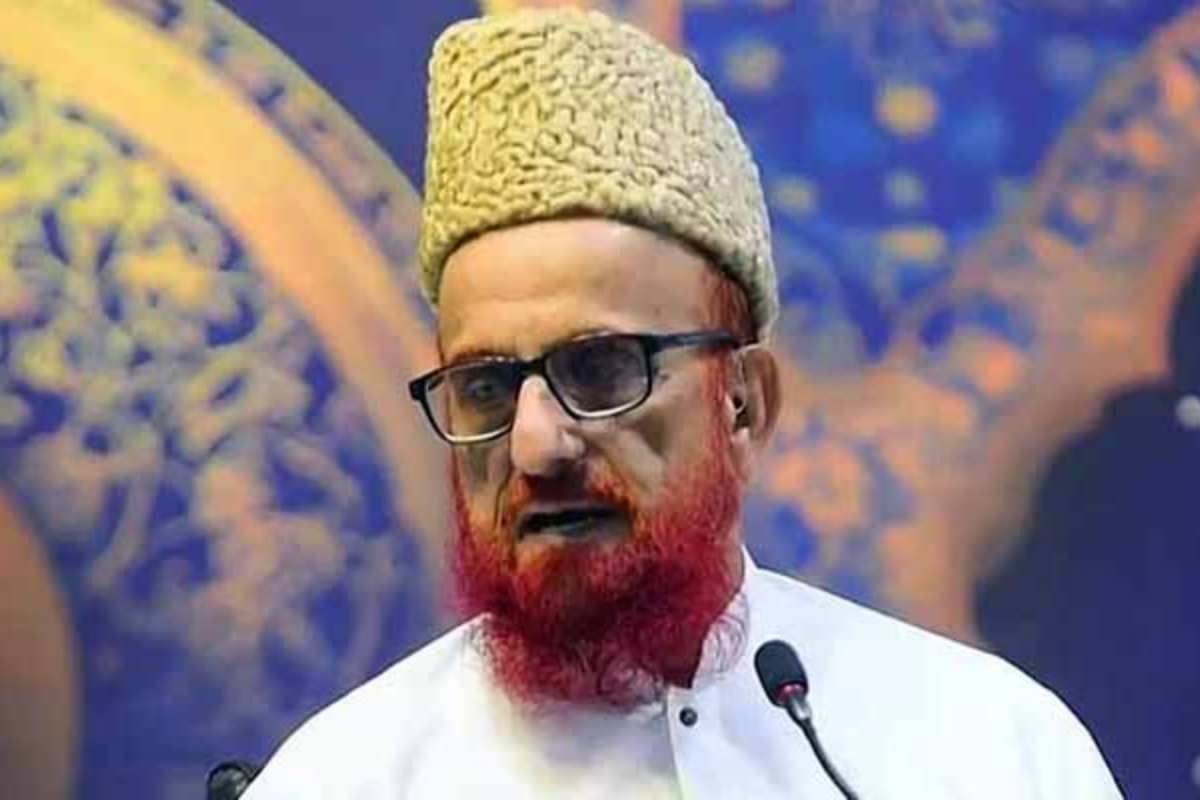
Mufti Muneeb Ur Rehman hospitalized after dengue diagnosis

Mufti Muneeb

KARACHI: Mufti Muneeb Ur Rehman, a prominent Islamic scholar and ex-chairman of the Ruet-e-Hilal Committee, is currently receiving treatment after being diagnosed with dengue fever.

According to details, Mufti Muneeb is currently under treatment at a private hospital in Karachi.

Mufti Abdul Razzaq Naqshbandi stated that Mufti Muneeb’s condition has improved to some extent, and he has even been offering prayers while in the hospital.

He added that doctors have advised Mufti Muneeb to take complete rest, and it is expected that he may be allowed to return home soon, subject to medical clearance.

The family has appealed for prayers for Mufti Muneeb ur Rehman’s speedy recovery.

Meanwhile, The Directorate of Press Information, Sindh Information Department, has released the latest daily report on the dengue situation, as issued by the Director General Health Sindh.

According to the report:

31 new dengue patients were admitted to government hospitals across Sindh.

27 additional cases were reported from private hospitals.

The total number of hospitalized dengue patients in the province has reached 55.

Government hospitals in the Karachi division admitted 19 new patients.

In Hyderabad, 7 new dengue patients were admitted to government hospitals.

26 patients were discharged from government hospitals after recovery.

12 patients recovered and were discharged from private hospitals.

No dengue-related fatalities have been reported anywhere in Sindh.

The report further states:

A total of 3,039 dengue tests were conducted in government and private laboratories.

Of these, 260 individuals tested positive for dengue.

Karachi laboratories reported the highest number of positive cases at 190.

Hyderabad laboratories confirmed 70 positive cases.

The Directorate General of Health Sindh continues to monitor the situation closely.
Section 144 enforced to bar unrelated individuals from exam centres

Section 144

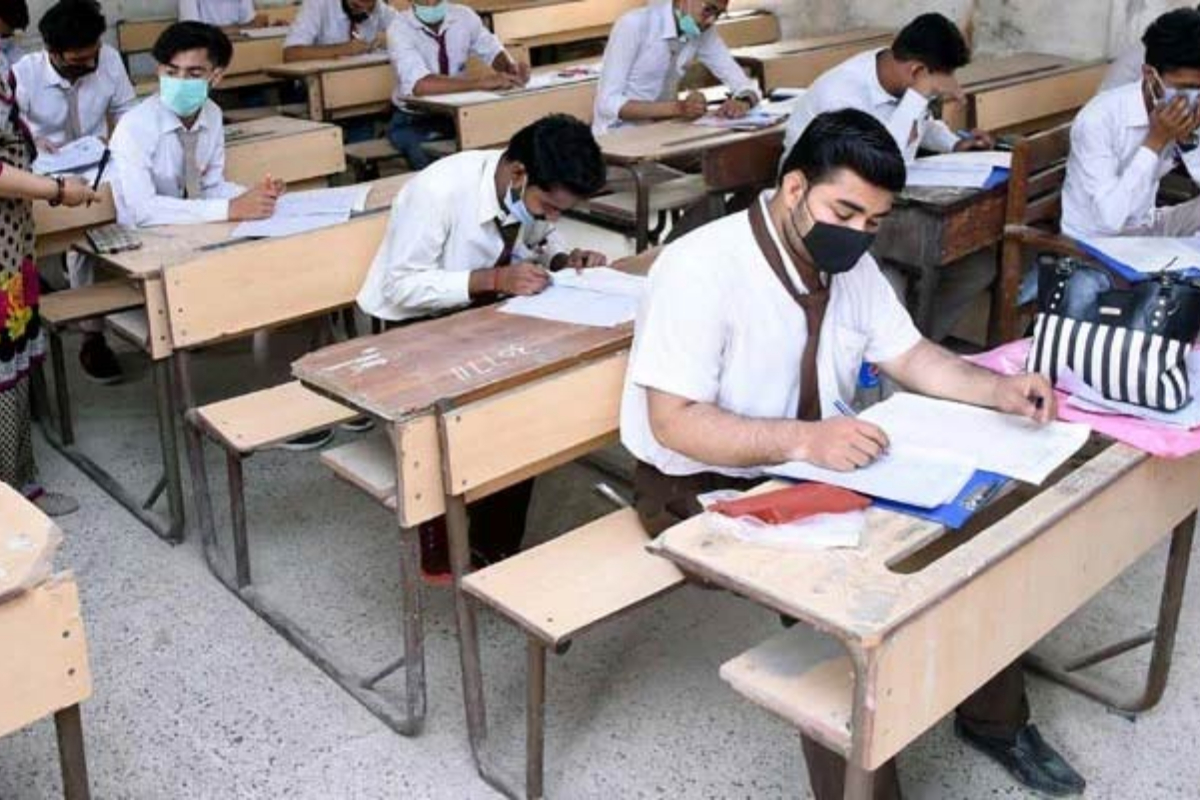
KARACHI: Divisional authorities have tightened security measures around Intermediate supplementary exam centers, barring the presence of unrelated individuals to maintain fairness and order during the examinations.

Commissioner Karachi announced that Section 144 has been enforced from 2 to 30 December for the duration of the examinations. The entry of unauthorized persons into examination centers will be strictly prohibited without an admit card, the Commissioner said.

The photocopy shops operating within a 200-yard radius of exam centers have been barred from functioning during exam hours. The use of mobile phones and electronic devices has been completely banned at examination centers during exam timings.

Commissioner Karachi warned that strict action will be taken against unnecessary gatherings, crowds, and congestion near exam centers. The immediate action will be taken against individuals carrying weapons near examination centers to ensure peaceful and transparent examinations, the Commissioner added.

Commissioner Karachi said all examination centers have been declared sensitive between 2 PM and 5 M.Th. entry will be restricted for all individuals except examination staff and candidates. The police have been directed to register cases under Section 188 against those violating the imposed restrictions.

The Deputy commissioners and SHOs across all districts have been instructed to ensure effective monitoring throughout the examination period, the Commissioner stated.

KP Assembly passes joint resolution on Hazara province

KP Assembly

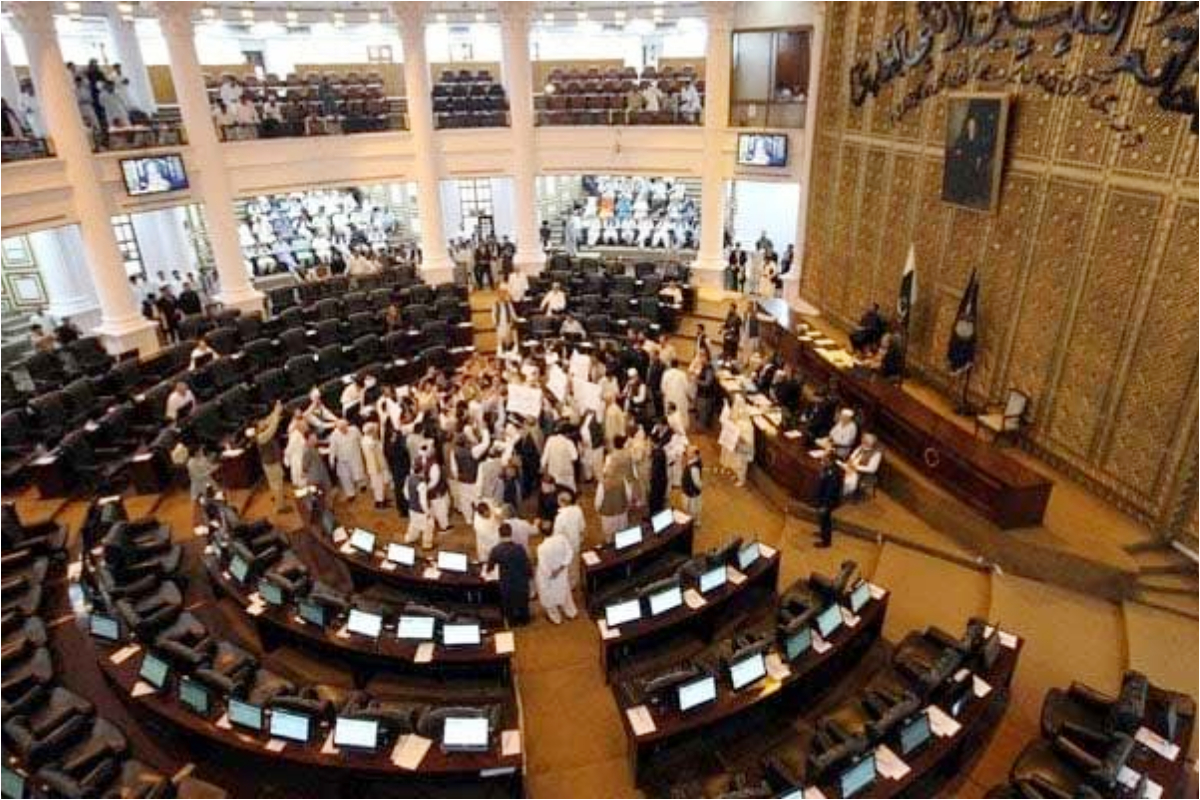
PESHAWAR: The Khyber Pakhtunkhwa Assembly passed a joint resolution regarding the creation of Hazara Province. The resolution was presented by PTI MPA Nazir Abbasi, with support from PPP’s Ahmed Kareem Kundi and members of JUI.

The resolution calls on the federal government to immediately initiate the constitutional process for the establishment of Hazara Province under Article 239 of the Constitution of Pakistan, addressing the long-standing demands of the people of the region.

It also directs the provincial government to complete all necessary consultative and administrative measures in a timely and effective manner to facilitate the creation of the new province.

According to the resolution, the formation of Hazara Province will allow the residents of Hazara to see their long-standing demand materialize into reality.

Furthermore, the provincial government has been instructed to prepare and submit recommendations regarding the new province’s structure, boundaries, and administrative framework to relevant forums, ensuring there are no delays in completing the constitutional process.

Pakistan tops global list for highest diabetes prevalence

Pakistan tops

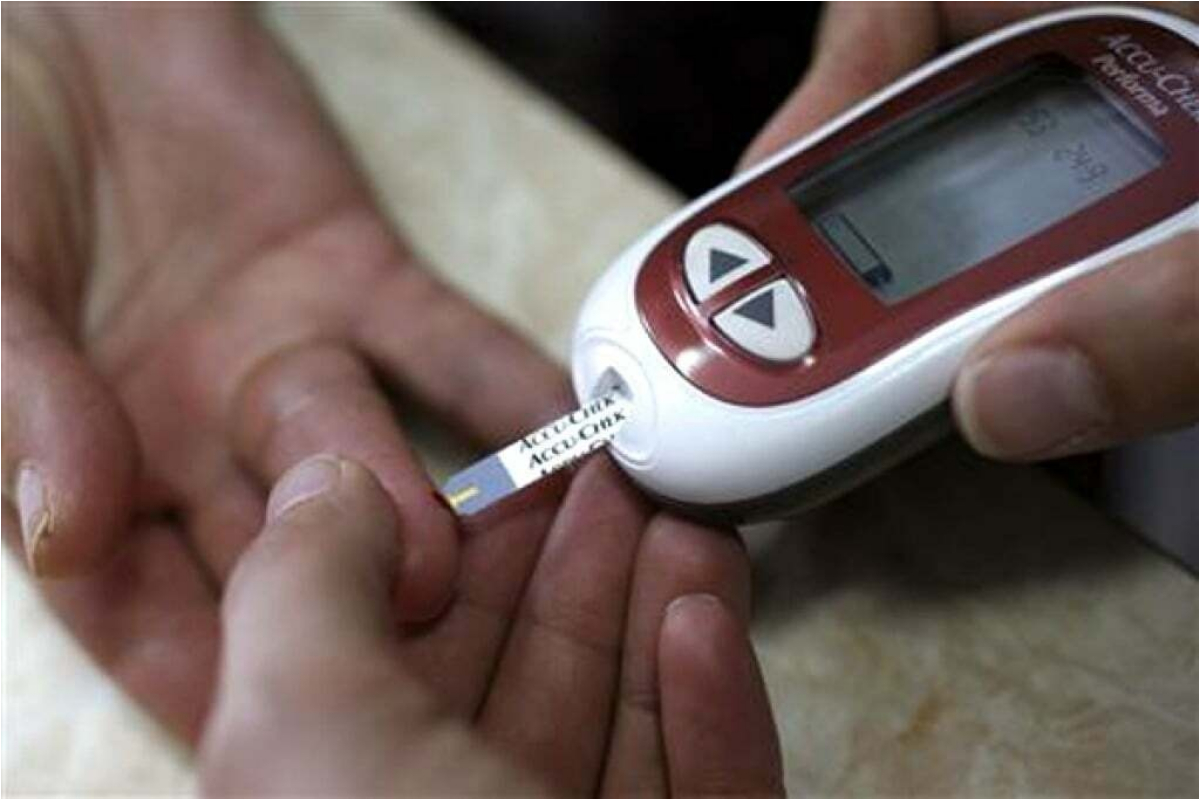
ISLAMABAD: Pakistan has recorded the highest diabetes prevalence rate in the world, according to the International Diabetes Federation’s (IDF) latest 2025 report, which reveals that 30.8% of the country’s adult population is now living with diabetes. The global health body has termed the situation “extremely alarming.”

Experts note that Pakistan’s diabetes prevalence is three times higher than the global average, signalling a severe and expanding public health crisis.

According to Gulf News, which published details from the IDF report, global spending on diabetes care has surged to one trillion dollars, and the disease is becoming a major and complex challenge for many countries in the coming years.

The IDF Diabetes Atlas 2025, released in August, shows that 589 million adults aged 20 to 79 worldwide are currently living with diabetes—one in every nine people. Of these, 252 million remain undiagnosed, facing serious complications without treatment.

The global burden is rising rapidly, with the highest number of cases reported in Asian countries. China, India, and Pakistan now rank as the top three countries with the largest diabetic populations.

China: 148 million patients

India: 101 million

Pakistan: 36 million

Diabetes is a chronic metabolic disease characterized by elevated blood sugar levels due to the body’s inability to produce or effectively use insulin.

Pakistan’s Parliamentary Secretary for Health, Dr. Nelson Azeem, stated that the country’s diabetes burden has reached 40%, urging citizens to adopt healthier lifestyles. “Lifestyle changes, regular exercise, and improved dietary habits are essential to curb this rising trend,” he said.

The secretary added that diabetes cases have increased compared to the past five years and are likely to rise further in the next five years if corrective measures are not taken. While the government is ensuring the free provision of diabetes medication, he emphasized the need to avoid sugary drinks and fast food to prevent the disease.

He further said that awareness initiatives have been launched at schools, colleges, and universities, along with periodic walks and public campaigns aimed at prevention.

Egyptian FM, COAS discuss regional security and military cooperation

Egyptian FM

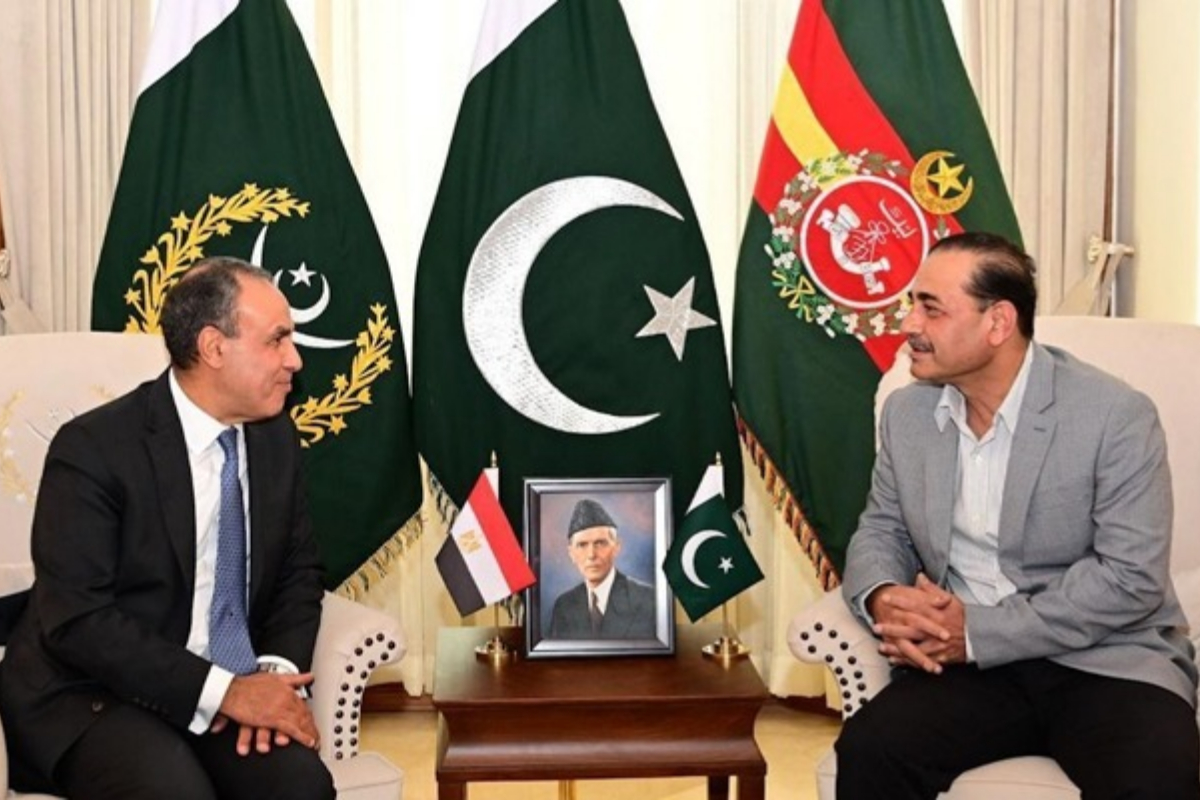
RAWALPINDI: Egypt’s Foreign Minister Dr Badr Ahmed Mohamed Abdelatty called on Chief of Army Staff (COAS) Field Marshal Asim Munir to deliberate on matters related to defence partnership and security coordination.

During the meeting, both dignitaries reviewed bilateral relations between the two brotherly countries, with a particular focus on defence and security cooperation, military-to-military contacts, training collaborations, and regional peace and stability.

The discussions reaffirmed the commitment of both sides to strengthen coordination and deepen the long-standing ties in defence and broader strategic domains.

The visiting Foreign Minister also conveyed warm greetings from the leadership of Egypt and expressed Egypt’s continued interest in expanding cooperation with Pakistan across all spheres.

Both sides underscored the importance of sustained high-level exchanges to address emerging challenges, especially in light of evolving regional security dynamics

World AIDS Day:  Govt prioritizing uniform health services nationwide: PM

World AIDS Day

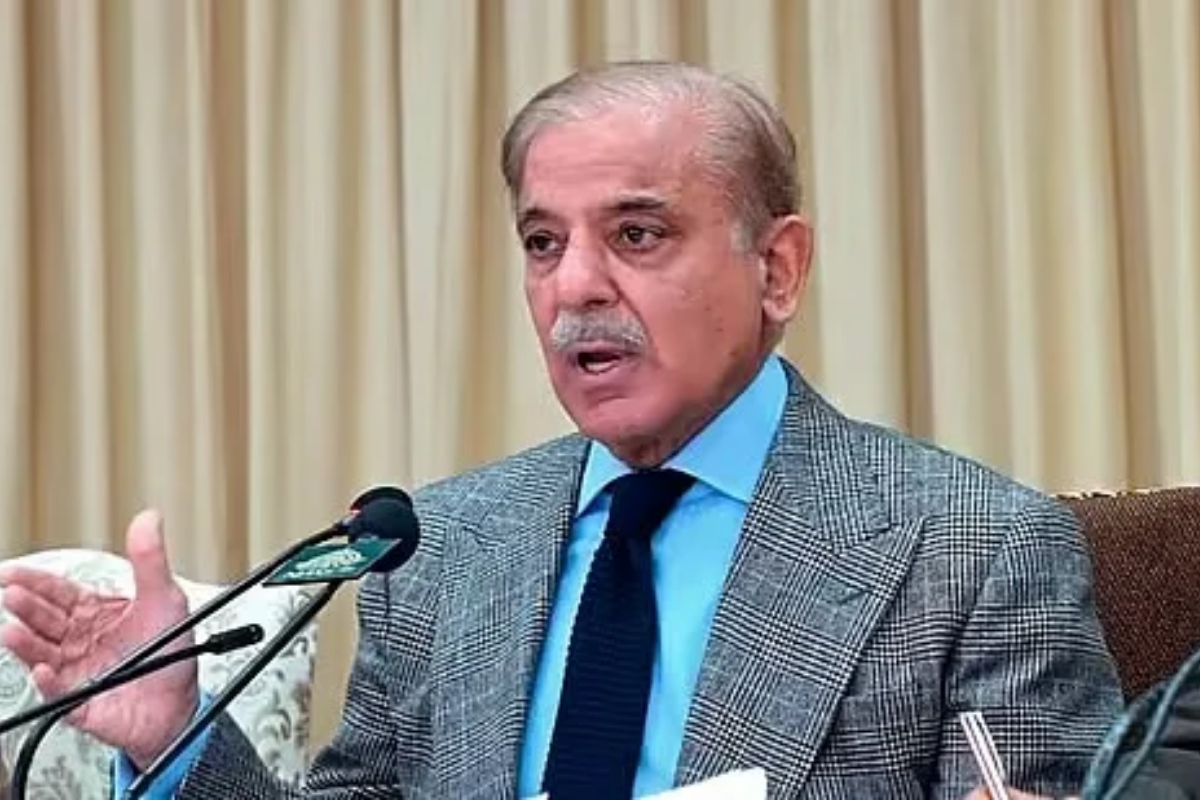
ISLAMABAD: Prime Minister Shehbaz Sharif said the protection of health is a fundamental civil right and providing equal opportunities for prevention, diagnosis, treatment and care especially to vulnerable and marginalized groups, remained a priority of the government.

In a message on World AIDS Day, he said Pakistan joined the international community in reaffirming, with a strong voice, its resolve to eliminate major challenges such as AIDS to public health and to ensure protection from this disease for all.

In this context, he said the federal government, in collaboration with provincial governments, is committed to ensuring that initiatives at the local level yield meaningful results.

This year, the day was being observed under the theme “Overcoming Barriers and Changing the Attitude Towards AIDS.”

This theme highlighted the importance of confronting new challenges with renewed determination, he said, adding it reminded them that despite obstacles, diseases, difficulties and social inequalities, their commitment to protecting the health, dignity and respect of all citizens should remain unwavering.

The HIV epidemic, he said, while testing the effectiveness and performance of health systems worldwide, also reminded them to formulate comprehensive strategies to combat this disease and further strengthen their health systems.

The prime minister opined that transforming public response and attitudes toward this disease was extremely important.

In this regard, ensuring access to treatment, adopting modern medical facilities and promoting cooperation at the community level could help change societal attitudes towards HIV/AIDS, he added.

“While the government’s focus remains on strengthening the efficiency of the health system and ensuring its reach to all citizens, it is equally essential to listen to the voices of people affected by HIV,”.

Eliminating stigma associated with this disease and ending discriminatory attitudes toward affected individuals was an urgent societal need, he stressed. The prime minister said through compassion, innovation in the health system and investment in its improvement, they could strengthen, diversify and enhance their collective response to HIV.

Despite advancements in the health sector, particularly in AIDS treatment, he said there remained immense room for improvement in public-level diagnosis, access to treatment and community awareness.

“We must collectively confront these challenges with empathy and seriousness,” he added.

He further emphasized that priority measures to eliminate AIDS included improving access to treatment for high-risk groups, ending gender-based discrimination, preventing parent-to-child transmission of HIV, ensuring safe blood supplies for patients and reducing its spread among people who used drugs.

The prime minister said through national and political commitment, inter-sectoral cooperation, and shared responsibility, Pakistan could overcome existing barriers and accelerate progress towards ending AIDS.

“On World AIDS Day, let us renew our pledge that no social, cultural, economic, or administrative barrier will obstruct our fight against this disease. Together, we will make our strategy to combat AIDS more effective, comprehensive, and impactful,” he added.

He stressed for unity with compassion and hope for an AIDS-free Pakistan so that every individual might enjoy a healthy, prosperous, and dignified life.

Weekly Report: Pakistan Stock Exchange surges by 4,575 points

Weekly Report

KARACHI: The Pakistan Stock Exchange (PSX) witnessed a strong bullish trend during the past trading week, with the KSE-100 Index rising by 4,575 points.

The index closed the week at 166,677 points, up from 162,102 points at the start of the week. During the week, the market recovered four psychological levels, reflecting investor confidence.

Over the five trading days, the market saw three days of gains and two days of declines. The highest level of the KSE-100 Index during the week was 167,005 points, while the lowest level was 160,564 points.

Market capitalization increased by PKR 353 billion, bringing the total to PKR 18,866 billion.

Around 42.21% of listed stocks recorded price increases. Shares of 1,009 companies gained, while 1,172 companies saw declines.

Analysts attributed the market rally to renewed buying interest from local institutions and individual investors, which helped sustain the bullish momentum.

President Zardari addresses 27th National Security Workshop

President Zardari

ISLAMABAD:  President Asif Ali Zardari visited the National Defence University (NDU), where he addressed participants of the 27th National Security Workshop.

According to Inter Services Public Relations (ISPR), the workshop was attended by parliamentarians, senior civil and military officers, as well as representatives from academic and social sectors.

The President congratulated the participants on completing the workshop and appreciated their dedication to raising awareness on national security issues.

ISPR stated that the National Security Workshop is one of the prominent platforms for promoting dialogue and plays a key role in enabling Pakistan to effectively tackle current security challenges.

The workshop also strengthens institutional capacity and contributes to enhancing national strategy for the country’s security.

During the event, President Zardari emphasized the importance of informed leadership, national unity, and coordinated policy-making, and awarded certificates to the graduating participants.

Petrol, Diesel prices expected to drop notably from Dec 1

Petrol

ISLAMABAD: Petroleum prices in Pakistan are projected to fall from December 1, marking a notable decrease for the next two weeks.

According to industrial and government sources, petroleum prices may drop by up to Rs 6.35 per litre from December 1.

The anticipated relief is attributed to increased global supply following the restoration of several units at Kuwait’s Al-Zour refinery, one of the Gulf region’s largest refining complexes.

Based on preliminary calculations using 13 days of data, petrol prices may decrease by Rs 3.70 per litre, bringing the current price down from Rs 265.45 to approximately Rs 261.75 per litre.

On the other hand, the price of high-speed diesel is likely to decrease by Rs 4.28 per litre, after which the price may decrease from Rs 284.44 to around Rs 280.16 per litre.

 A slight decrease in the price of kerosene (kerosene) is expected, i.e. after a decrease of Rs 0.73, the price of kerosene may decrease from Rs 194.34 to approximately Rs 193.61 per litre.

According to sources, light diesel oil price is expected to decrease the most, after a reduction of Rs 6.35 per liter from Rs 170.80 to Rs 164.45 per litre.

Circular debt in electricity sector likely to climb by PKR 735 Billion

Circular debt

ISLAMABAD: Pakistan’s power sector is facing a potential increase of PKR 735 billion in circular debt during the current fiscal year, officials have cautioned.

Officials said the debt could climb from PKR 1,615 billion to approximately PKR 2,300 billion. However, measures such as annual re-basing, reducing distribution company losses, and improving recoveries are expected to limit the increase by PKR 212 billion.

To eliminate the remaining PKR 522 billion, the government plans PKR 120 billion in principal repayments and will settle PKR 400 billion by paying government power plants and IPPs, aiming to maintain a zero circular debt stock.

Sources further explained that, as per International Monetary Fund (IMF) conditions, the power sector’s circular debt must be kept at zero inflow.

Under the Circular Debt Management Plan, PKR 55 billion is expected through annual re-basing, PKR 18 billion from reduced distribution company losses, and PKR 121 billion from improved recoveries.

With these measures in place, authorities aim to maintain circular debt at zero inflow throughout the fiscal year.