BREAKING NEWS
Advertise with us >

Security forces kill 48 militants in 72 hours of operations in North Waziristan

Security forces

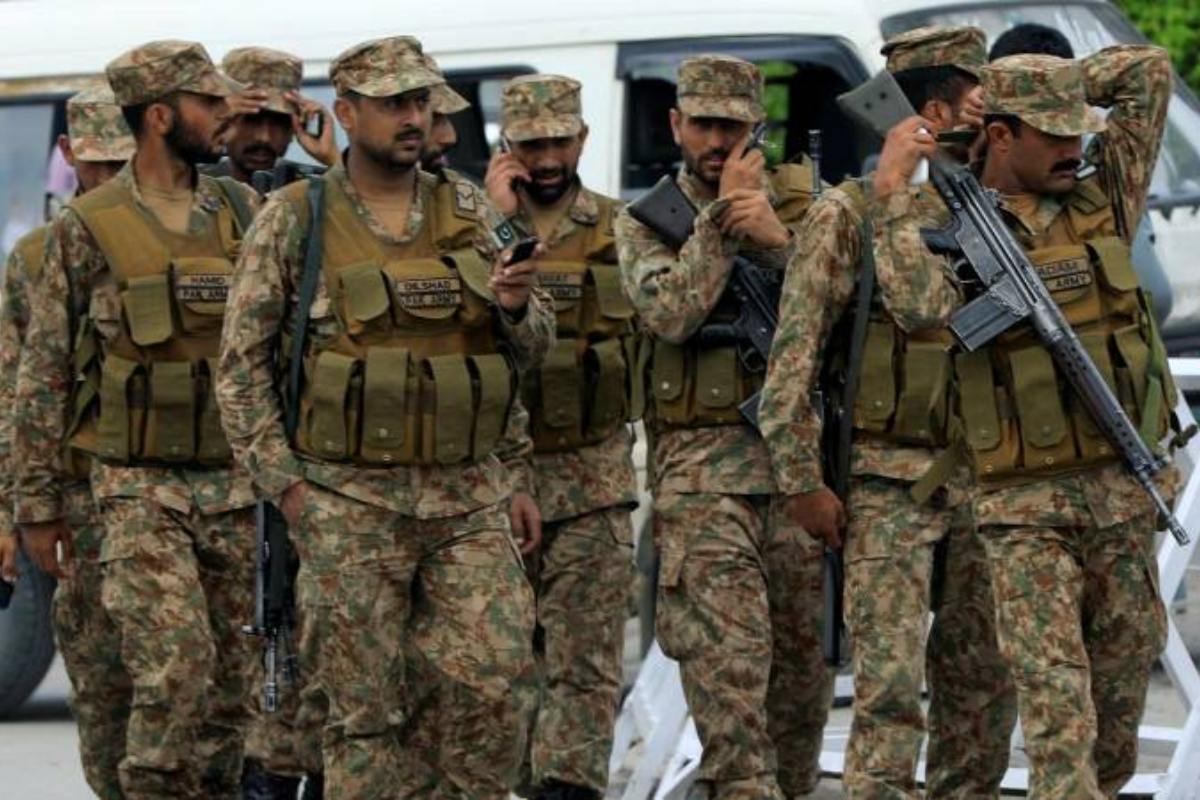
RAWALPINDI:  Security forces killed 48 militants during operations in North Waziristan over a 72-hour period, the military’s media wing said Saturday.

According to the Inter-Services Public Relations (ISPR), troops conducted intelligence-based operations in Mir Ali and surrounding areas of North Waziristan, where 21 militants were killed in the latest action.

The ISPR said among those killed were identified militants including Khalid, Muftoon, Musa and Imran.

It added that a total of 48 militants, including four ring leaders, were killed during operations carried out over the past 72 hours. Weapons and ammunition were also recovered from the militants’ possession.

The military said the slain militants were involved in multiple terrorist activities, including attacks on security personnel and civilians.

ISPR added that sanitization operations are continuing in the area to eliminate remaining militants.

KSE-100 Index rises 1.1% amid easing geopolitical tensions

KSE-100 Index

KARACHI: Pakistan’s stock market posted a strong weekly performance, with the benchmark KSE-100 Index gaining 1.1% amid improving investor sentiment driven by easing geopolitical tensions and lower global oil prices.

The KSE-100 Index rose by 1,921 points during the week, closing at 172,399 points compared with 170,478 points at the end of the previous week.

During the trading week, the index touched an intraday high of 173,093 points, while its lowest level was recorded at 168,432 points.

Market capitalization increased by Rs191 billion over the week to reach Rs19.12 trillion, reflecting broad-based gains across listed companies.

Average daily trading volume stood at 776 million shares, while average daily traded value was recorded at Rs29 billion.

Market analysts attributed the positive momentum to renewed investor confidence following a reduction in tensions between the United States and Iran, as well as a decline in international oil prices, which improved the outlook for Pakistan’s economy and equity market.

Finance Minister Aurangzeb says economy moving in right direction

Finance Minister

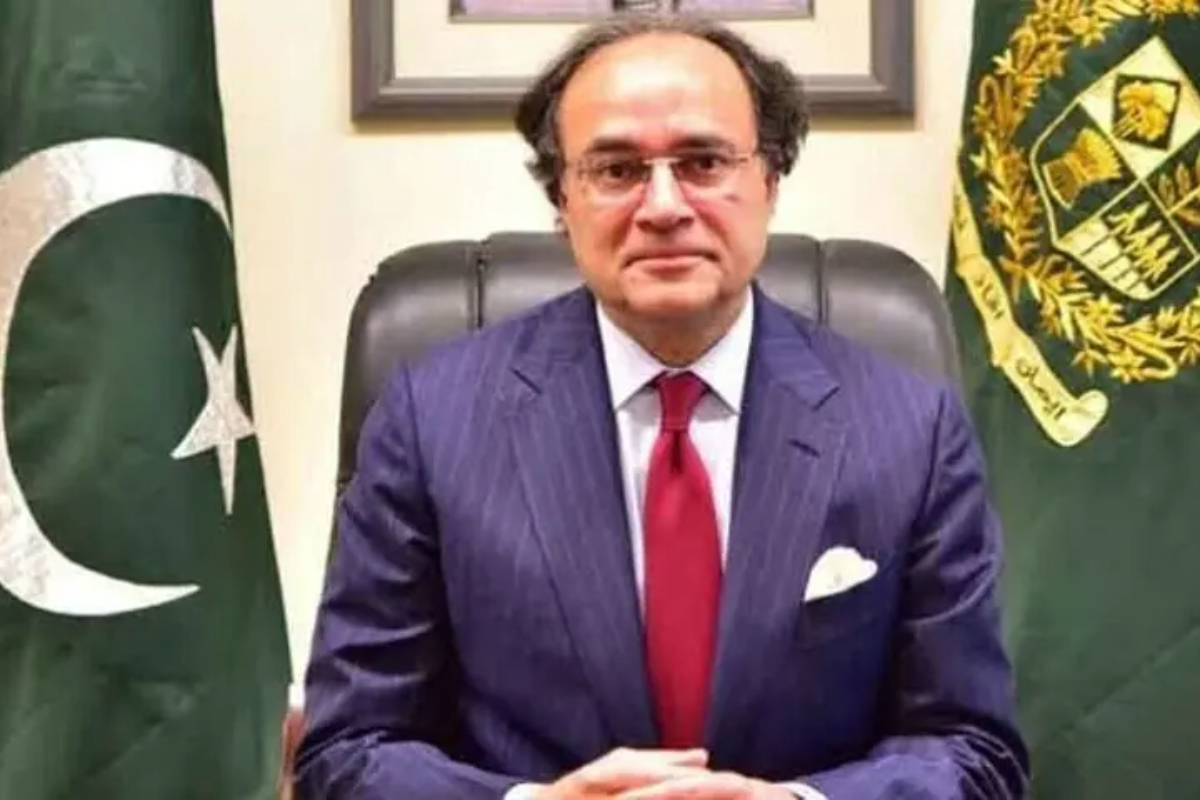
ISLAMABAD:  Finance Minister Muhammad Aurangzeb said Saturday that Pakistan’s economy is moving in the right direction and the country is now shifting from stabilization toward growth.

Addressing a post-budget press conference in Islamabad, Aurangzeb said the government aimed to provide relief to lower-income salaried individuals, noting reductions in income tax rates for different salary brackets.

He said the tax rate for certain salaried categories had been reduced from 5% to 1%, while another bracket was lowered from 15% to 13%, adding that feedback on measures targeting higher-income earners and surcharges had been positive.

The finance minister said taxes in the construction sector had been reduced to encourage activity, while agricultural credit had increased by 15%, exceeding 2 trillion rupees in volume.

He added that efforts were underway to strengthen a fertilizer-related scheme and that small farmers would no longer be required to mortgage their homes to access loans. He also said a youth loan program worth 262 billion rupees includes 125 billion rupees allocated for agriculture.

Aurangzeb said customs duties, additional customs duties and regulatory duties had been eliminated on imported agricultural machinery to support the sector.

He said inflation is expected to ease further if geopolitical tensions in the Middle East subside, adding that economic stability indicators have shown improvement over the past year.

The minister said the government had introduced measures in the budget to improve taxation and export systems, including 70 billion rupees in additional subsidies aimed at boosting exports.

He acknowledged pressure on the energy infrastructure but said it would continue to remain a challenge in the coming fiscal year.

Aurangzeb also expressed gratitude to provincial governments for their financial cooperation with the federal government, saying the arrangement would continue for the next three fiscal years.

PM reiterates call for charter of democracy, dialogue with opposition

PM reiterates

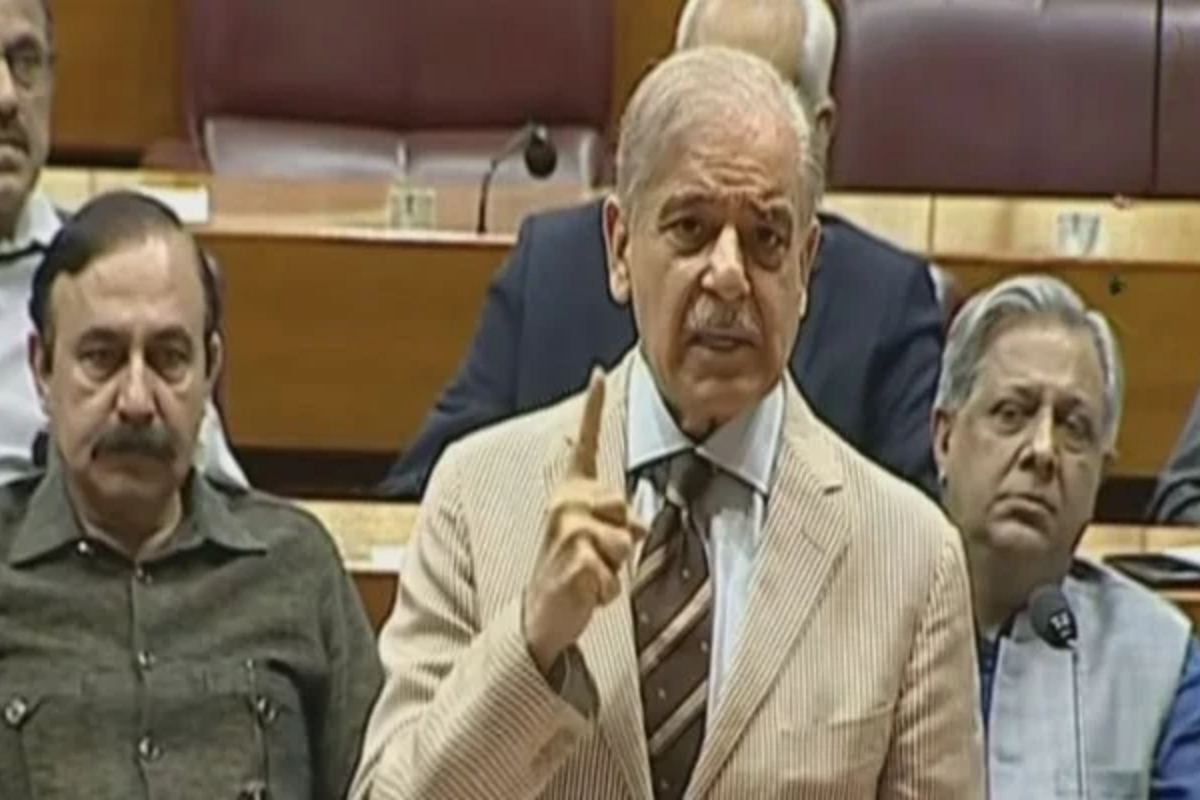
ISLAMABAD: Prime Minister Shehbaz Sharif renewed his call for political dialogue with the opposition, urging progress toward a “Charter of Democracy” and a broader national consensus on governance and the economy.

Speaking during a National Assembly session, Sharif said that 22 security personnel were killed three days earlier, praising the sacrifices of the armed forces and saying their efforts protect millions of citizens from harm.

He stressed the need to respect those sacrifices, saying the children of martyrs are often left unaware of the loss of their fathers who “leave this world while protecting the nation’s children.”

The prime minister reiterated his invitation to the opposition to engage in dialogue on a Charter of Democracy and a Charter of Economy, saying political differences should not come in the way of national interest.

“Politics is our own, visions are our own, but Pakistan comes first,” he said, adding that the development of all provinces is his constitutional responsibility.

Sharif also pointed to development projects in Balochistan, including increased provincial shares under the National Finance Commission (NFC) Award and ongoing infrastructure initiatives.

He cited the Reko Diq mining project as an example of equitable resource distribution, saying Balochistan’s share in the project was transparent and publicly known.

The prime minister further noted that Balochistan’s NFC share was doubled in the 2010 award, and said federal and provincial contributions were being made toward the province’s development.

He added that a road project from Gwadar to Chaman is under construction to highway standards at a cost of 300 billion rupees, aimed at improving regional connectivity.

Make It or Break It

(The Choice That Shapes the Future of Pakistan’s Youth)

By: Sabahat Sikander

Pakistan is a young country, with more than half of its population under the age of 30. This means the future of Pakistan lies in the hands of its youth especially students. That future can either be a blessing or a burden, depending entirely on the choices we make today.

Every student eventually reaches a turning point: will I make it through hard work, discipline, and focus, or will I break it by wasting time, neglecting responsibilities, and falling into destructive habits? This single decision does not only shape an individual life, but also impacts families and the nation as a whole.

Make It or Break It: A Daily Reality

In colleges and universities, the concept of “make it or break it” is not just an idea—it is a daily reality. Some students seize opportunities, stay committed to their goals, and work toward building a better future. Others become trapped in distractions such as social media overuse, peer pressure, and procrastination.

Success and failure are not always determined by intelligence or financial background. More often, they are shaped by attitude, discipline, consistency, and the willingness to keep trying despite difficulties.

Choosing to “Make It”

Students who choose to “make it” understand that education is their strongest tool. It is not limited to passing exams; it is about developing skills, building character, and preparing for real-life challenges.

Such students attend classes regularly, complete assignments on time, and continuously strive for improvement. They view every hour of study as an investment in their future.

Hard work remains the foundation of success. History is full of individuals who came from modest backgrounds but achieved greatness through persistence and dedication. In Pakistan as well, countless doctors, engineers, teachers, and entrepreneurs have proven that determination can overcome even the toughest circumstances.

Dedication plays an equally important role. Life will always bring challenges—financial stress, personal struggles, or academic pressure—but dedicated students continue moving forward. They do not give up after setbacks; instead, they learn from them.

Having a clear goal is also essential. Whether one aspires to become a doctor, engineer, journalist, teacher, or entrepreneur, a defined purpose provides direction and motivation. It helps students manage time effectively and avoid unnecessary distractions.

Guidance from parents, teachers, and mentors is another valuable resource. Parents sacrifice endlessly for their children’s education, teachers guide academic growth, and experienced seniors offer lessons that cannot be found in textbooks. Listening to them can prevent many avoidable mistakes.

Friendship circles also play a powerful role in shaping behavior. Ambitious and focused friends encourage progress, while careless and unproductive company can lead to wasted time and lost opportunities.

In today’s digital era, technology is both an opportunity and a challenge. While mobile phones and social media can support learning, they often become major distractions. Time once lost to aimless scrolling cannot be recovered, making self-control more important than ever.

The “Break It” Path

Unfortunately, many students unknowingly damage their own futures. One major reason is a declining interest in education. When studies are treated as a burden rather than a responsibility, learning becomes meaningless.

Procrastination is another major obstacle. The habit of delaying tasks—thinking “I’ll do it tomorrow”—leads to unfinished assignments, poor preparation, and increasing stress. Success rarely comes to those who consistently postpone their responsibilities.

Bad company is equally harmful. Even talented students can lose direction when influenced by the wrong peer group. What begins as harmless fun can slowly turn into a pattern of neglecting studies and wasting valuable time.

Ignoring advice from parents and teachers is another common mistake. While independence is important, experience carries wisdom. Disregarding guidance often leads to avoidable failures and regrets.

Why This Matters for Pakistan

The success of students is directly linked to the progress of Pakistan. A nation facing challenges such as poverty, unemployment, weak healthcare systems, and technological gaps needs educated, responsible, and skilled young individuals to move forward.

Every successful student contributes to national development. Every wasted talent represents a loss not just for an individual, but for society as a whole.

The encouraging truth is that change is always possible. No matter how much time has been wasted, a fresh start can begin today. Failure is not permanent; it becomes permanent only when effort stops.

The Final Choice

Every student stands at a crossroads. One path leads to discipline, growth, and a meaningful future. The other leads to regret and missed opportunities. The difference may seem small in the present, but its impact becomes significant over time.

Ultimately, our future is shaped by the daily decisions we make. Focused study, consistent effort, and respect for time are the foundations of success.

Pakistan needs its youth to rise, lead, and transform the country.

The choice is simple—Make It or Break It.


Writer is Former Student of Mama Parsi Girls Secondary School & Agha Khan College, Karachi

Pakistan unveils historic defence spending plan in new budget

Pakistan unveils

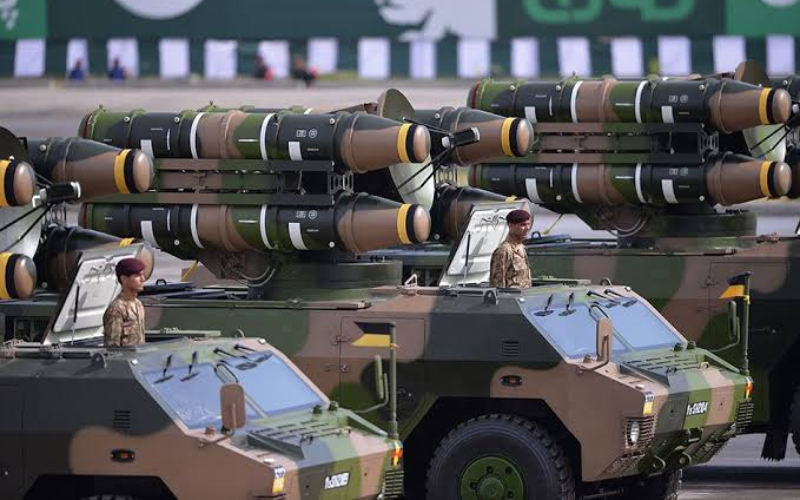
ISLAMABAD: Pakistan has proposed increasing the defence budget to Rs 3,000 billion for the upcoming fiscal year, according to official budget documents.

For the current fiscal year, the defence budget was initially set at Rs 2,550 billion, while the revised allocation has reached Rs 2,595 billion.

The new budget proposal also includes Rs 822 billion for military pensions, compared to Rs 742 billion allocated in the current fiscal year.

Under administrative expenditures, Rs 10.9 billion has been proposed for the next fiscal year. In the current year, these expenses were set at Rs 7.95 billion, while revised figures have increased to Rs 11.74 billion.

Personnel-related expenditures in the defence sector are projected at Rs 967 billion for the upcoming year, up from Rs 846 billion allocated in the current budget and Rs 851 billion in revised estimates.

Operational expenses are proposed at Rs 743 billion for the next fiscal year, compared to Rs 704 billion in the current year and Rs 721 billion in revised spending.

The proposed allocations reflect an overall increase in defence-related expenditures amid evolving security and administrative requirements.

Finance Minister Muhammad Aurangzeb said the increase in Pakistan’s defense budget for the 2026–27 fiscal year was driven by internal security challenges in two provinces and broader border-related security concerns.

Speaking to media after presenting the federal budget, Aurangzeb said the government had to take into account the security situation along Pakistan’s borders while formulating defense allocations.

“The defense budget has been increased in view of security issues at two borders and the deteriorating law and order situation in two provinces,” he said.

India cannot digest its defeat, says Bilawal Bhutto

India cannot

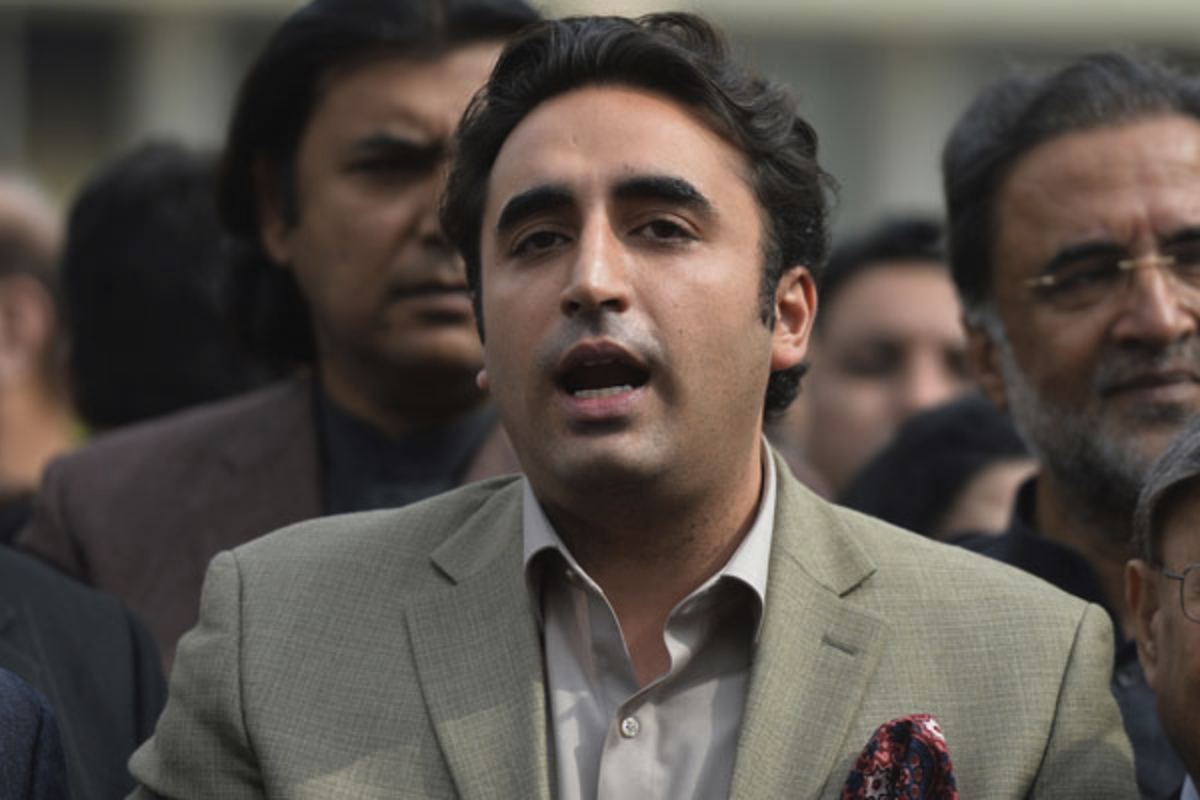
ISLAMABAD: Pakistan People’s Party (PPP) Chairman Bilawal Bhutto Zardari has said that India “cannot digest its defeat” following what he described as last year’s attack on Pakistan.

Addressing a parliamentary party meeting, Bilawal Bhutto said India launched an aggression against Pakistan last year but faced defeat. He added that India is now talking about “Operation Sindoor 2,” claiming that New Delhi intends to weaken Pakistan.

Bilawal Bhutto further stated that parliamentary debates on the budget have always taken place in challenging circumstances, but this year’s biggest challenge was related to national security.

He also said that the meeting discussed the federal budget, Gilgit-Baltistan elections, and the situation in Kashmir.

The PPP chairman noted that the initial decision was to boycott the budget session until concerns were addressed. However, he said that Foreign Minister Ishaq Dar and Interior Minister Mohsin Naqvi requested participation in the session and assured that the party’s reservations would be resolved immediately.

Unexpected scene at World Cup as fan kisses reporter on Live TV

Unexpected scene

GUADALAJARA: The FIFA World Cup 2026 has kicked off with high drama on the pitch and unexpected viral moments off it, as colorful scenes from the tournament continue to dominate social media.

Following the opening match marked by three red cards, another unusual incident emerged from Guadalajara, Mexico, where a South Korean journalist was reporting live during pre-match coverage between South Korea and the Czech Republic.

According to footage circulating online, a female fan approached the reporter from behind during the live broadcast, hugged him, and kissed him on the cheek before walking away.

The reporter appeared briefly surprised by the sudden gesture but quickly regained composure, smiling and saying “thank you” in Spanish.

The video has gone viral across social media platforms, with users divided in their reactions. While some have described the moment as a lighthearted reflection of the vibrant and friendly World Cup atmosphere, others have raised questions about consent and suggested that public reaction might have been different if the roles were reversed.

The incident adds another unusual chapter to an already eventful start of the FIFA World Cup 2026.

Kane Williamson announces retirement from international cricket

Kane Williamson

WELLINGTON: New Zealand batting legend and former captain Kane Williamson has announced his retirement from international cricket, bringing an end to a distinguished 16-year career.

According to details, the 35-year-old has decided to retire with immediate effect, ruling himself out of the remaining two Test matches against England. Williamson was currently part of the Kiwi squad for the ongoing three-match Test series.

In his statement, Williamson said he had been considering retirement for some time, but recently felt it was the right moment to step away from international cricket.

He expressed pride in representing New Zealand throughout his career, saying he always gave his best whenever he stepped onto the field.

Williamson retires as one of New Zealand’s most successful Test batters. He scored 9,515 runs in 110 Test matches, along with 7,256 runs in One Day Internationals and 2,575 runs in T20 Internationals.

One of the highlights of his career came in 2021 when he led New Zealand to their first-ever ICC World Test Championship title. As captain, he also guided the team to multiple ICC tournament finals and semi-finals.

New Zealand head coach Rob Walter paid tribute to Williamson, calling him not only a world-class cricketer but also an exemplary leader and ambassador of the game, adding that his legacy will continue to shape New Zealand cricket for years to come.

South Korea beat Czech Republic 2–1 in FIFA World Cup 2026 clash

South Korea

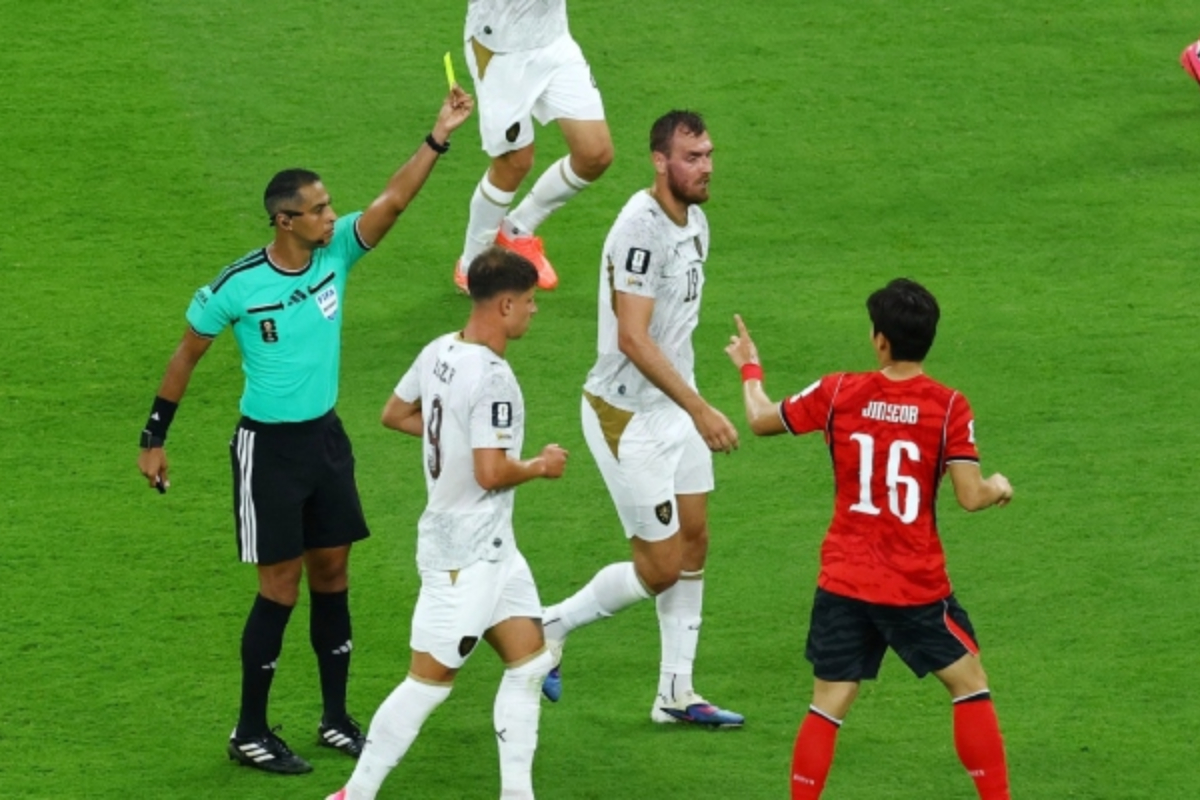
DOHA: South Korea national football team defeated Czech Republic national football team 2–1 in a FIFA World Cup 2026 match on Friday, coming from behind in the second half after a goalless first period.

Both sides struggled to break the deadlock in the opening 45 minutes, with strong defensive setups keeping scoring chances limited.

The Czech Republic took the lead early in the second half, but South Korea responded with two quick goals to turn the match around and secure all three points.

South Korea’s equalizer came through Wang E-bum in the 67th minute, before the Asian side completed their comeback with a second goal later in the half to seal a 2–1 victory in the group-stage encounter of the FIFA World Cup 2026.

Earlier, the FIFA World Cup 2026 kicked off with a dramatic and record-breaking opening match as hosts Mexico defeated South Africa 2–0 at the iconic Estadio Azteca.

The opening fixture saw Mexico dominate proceedings against South Africa in a high-intensity contest, securing a comfortable victory in front of a home crowd.

However, the match will be remembered not only for the result but also for a rare disciplinary record in World Cup history. For the first time ever in a World Cup opening match, three red cards were shown.

The referee sent off two South African players and one Mexican player during the game, adding an unexpected twist to the tournament’s curtain-raiser.

According to records, there have been only seven instances in FIFA World Cup history where a single match featured three or more red cards. The highest number remains four red cards, issued during the 2006 World Cup clash between Portugal and the Netherlands.

The dramatic opener has set an intense tone for the rest of the tournament.