
BREAKING NEWS
Advertise with us >

Apple may soon allow one phone number on two iPhones

Apple

SAN FRANCISCO: Apple is reportedly preparing a new feature that will allow users to use the same phone number on two iPhones, potentially making it easier to switch between devices without changing numbers.

The feature, reportedly called iPhone Handoff, is expected to be introduced with Apple’s iOS 27 operating system. Apple is scheduled to unveil iOS 27 at an event on Sept. 9, with the update expected to become available for compatible iPhone models soon afterward.

The feature was briefly mentioned during Apple’s annual developer conference in June 2026, although the company did not provide detailed information at the time.

According to a report, users will be able to configure the feature through the Cellular section of the iPhone’s Settings app. During setup, one iPhone will be designated as the primary device while the second will be set as a companion device.

Apple’s setup process will require the user’s main eSIM to remain on the primary iPhone, while a companion eSIM will be assigned to the second device. This would allow the same mobile number to be used across both iPhones.

Both devices will reportedly need to run iOS 27, while support from the mobile network operator will also be required.

The feature is initially expected to be supported by two carriers in the United States and the Netherlands, according to the report.
Momina Iqbal denies allegations made by PML-N lawmaker

Momina Iqbal

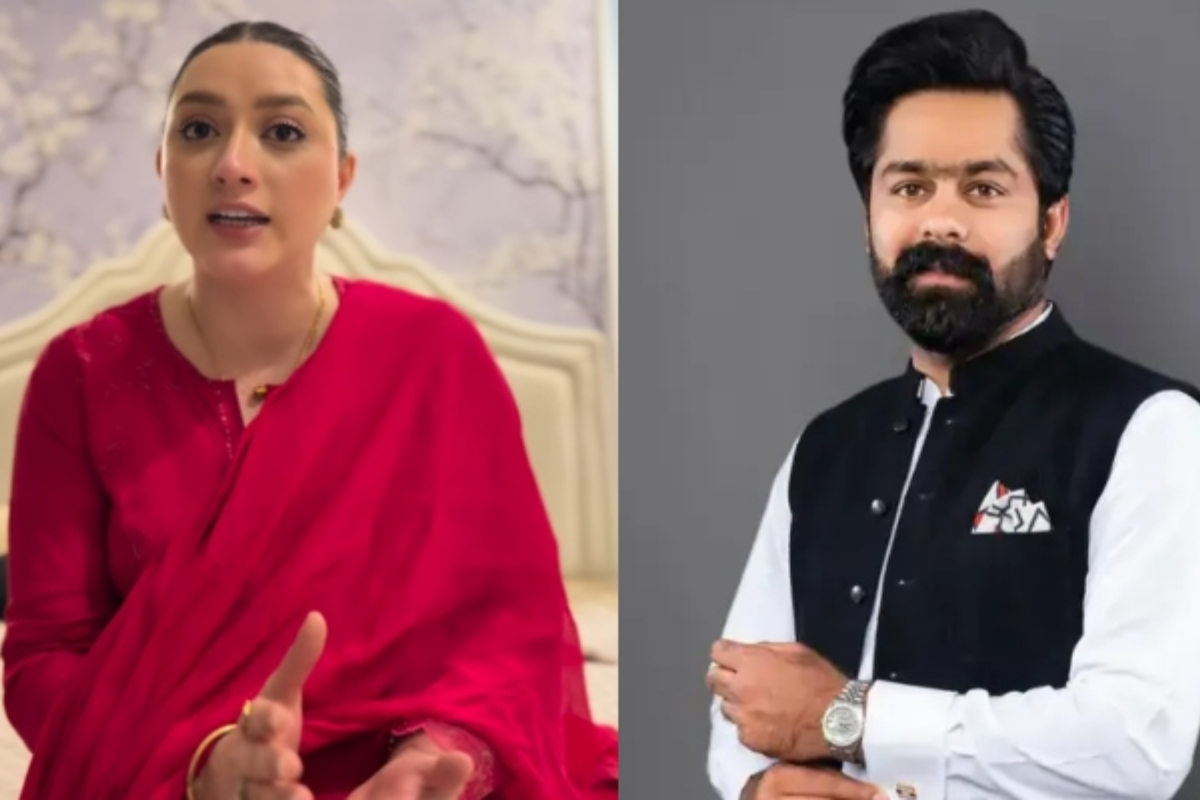
LAHORE: Pakistani actress Momina Iqbal has rejected allegations made by Pakistan Muslim League-Nawaz lawmaker Saqib Chadhar against her and her sister, calling the claims false.

Chadhar’s interview recently went viral on social media. In response, Iqbal shared an Instagram story in which she also posted a video from the wedding reception of the host who interviewed the lawmaker.

Iqbal alleged that Chadhar gave the podcast interview with a friend and showed the alleged evidence to her, claiming that he also asked the same friend to verify it.

Addressing Chadhar, Iqbal said that if he had chosen to make the allegations publicly, he should also have presented the evidence publicly so that people could decide whether the claims were true or false.

The actress further said that she was unable to release certain material because of restrictions imposed by the National Cyber Crime Investigation Agency.

She claimed she had voice messages from Chadhar and recorded phone calls allegedly sent by his wife, adding that even a short voice message could have challenged his claims.

Iqbal said she had placed her trust in God and would not be deterred by the allegations.

Momina Iqbal’s husband makes allegation

Separately, Iqbal’s husband, Hamza Habib, made a serious allegation against Chadhar in an Instagram story.

Habib claimed that after attempts to win people over to his side had failed, arrangements were allegedly being made to hire shooters to kill the couple.

The allegations made by both sides have not been independently verified.

Austria enforces headscarf ban for girls under 14

Austria

VIENNA: Austria has begun enforcing a law banning girls under the age of 14 from wearing headscarves in schools following the reopening of schools after the summer holidays.

The measure was proposed by Austria’s three-party governing coalition, which said the ban was intended to protect girls’ freedom and promote their independence.

Parliament approved the legislation in December with support from the far-right Freedom Party. The Green Party, the smallest opposition party in parliament, opposed the measure.

Under the new law, school authorities must first discuss the violation with a student. Fines ranging from 150 to 800 euros ($175 to $930) may then be imposed for continued violations.

The Islamic Religious Community in Austria, the country’s official representative body for Muslims, has described the measure as a violation of fundamental rights and said it plans to challenge the law in court.

Courts had rejected petitions against the measure in July, saying at the time that the law had not yet taken effect.

Austria’s Constitutional Court previously struck down a 2019 law banning headscarves for girls younger than 10 in schools. In 2020, the court ruled that the measure was discriminatory toward Muslims and said the state must remain neutral in religious matters.

Fatima Sana fined by ICC for code of conduct violation

Fatima Sana

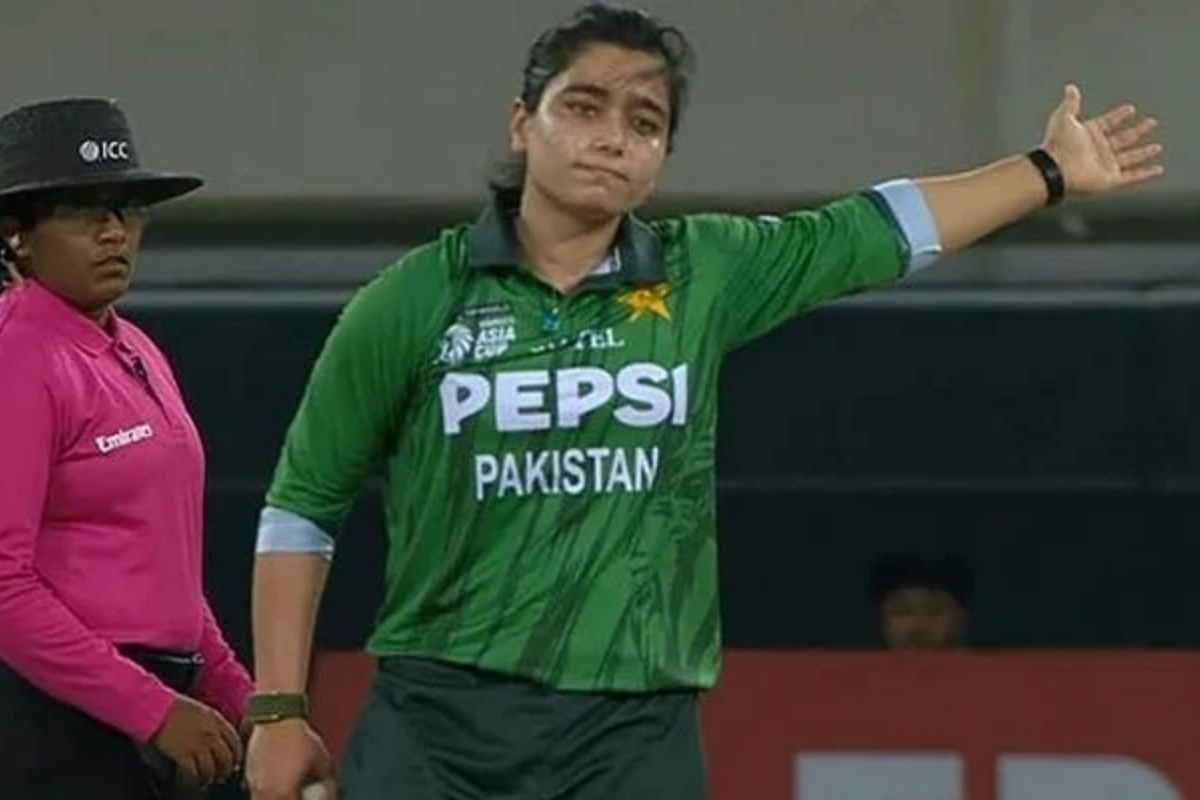
ISLAMABAD: Pakistan women’s cricket team captain Fatima Sana has been fined 10% of her match fee for breaching the International Cricket Council’s (ICC) Code of Conduct during the Women’s Asia Cup match against India.

According to the ICC, Sana committed a Level 1 violation under Article 2.5, which covers language, actions or gestures that could provoke an opposing batter after their dismissal.

The incident occurred during the second over of India’s innings when Sana gestured toward the pavilion after dismissing opener Shafali Verma.

The ICC also added one demerit point to Sana’s disciplinary record. It is her second offense within a 24-month period, taking her total to two demerit points.

Sana previously received one demerit point on Aug. 6, 2025, during the first T20 International of Pakistan’s series against Ireland in Dublin.

Sana admitted the offense and accepted the sanction proposed by match referee Supriya Rani Das, meaning a formal hearing was not required.

PMA demands complete transparency in MDCAT 2026

PMA demands

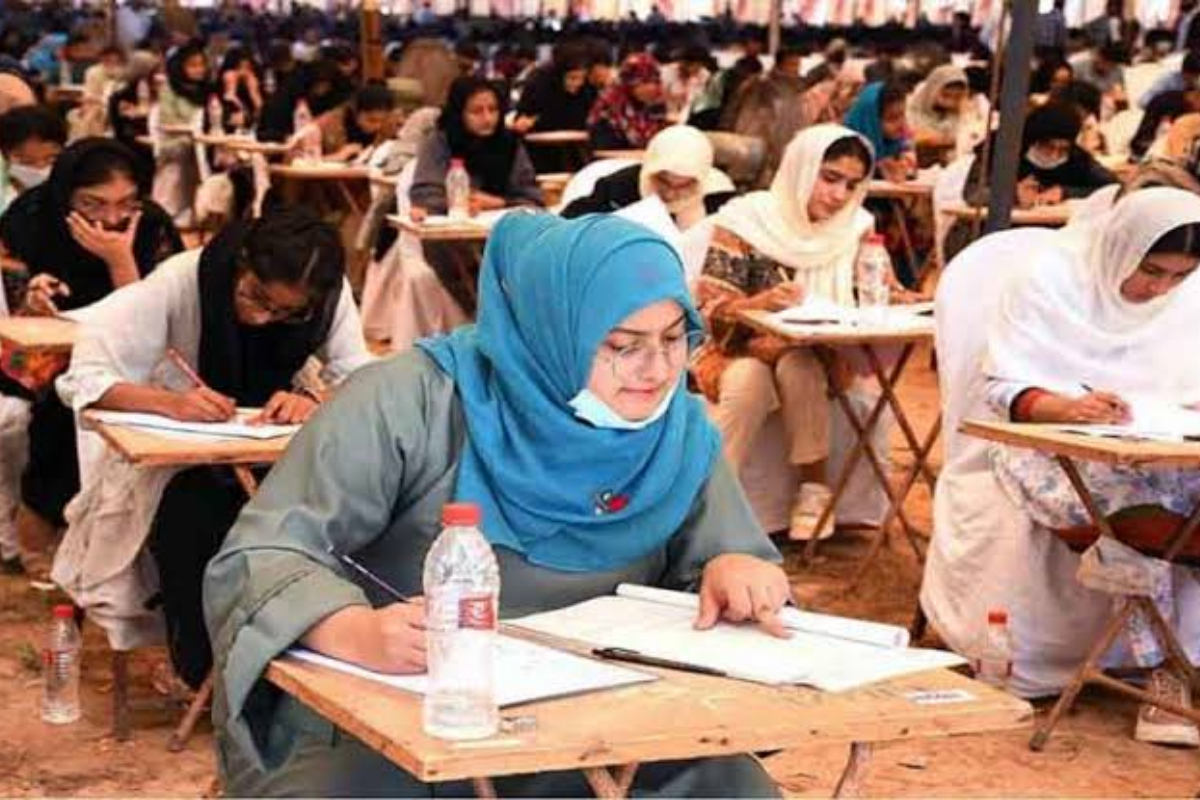
KARACHI: The Pakistan Medical Association (PMA) has called for complete transparency and foolproof security in the upcoming Medical and Dental College Admission Test (MDCAT), scheduled for Sept. 20, 2026, while demanding an independent forensic audit of private medical and dental colleges across the country.

In a statement, the PMA said entrance tests such as the MDCAT remain necessary for assessing prospective medical students but stressed that long-term reforms should focus on improving primary and secondary education.

The association said previous MDCAT examinations have faced controversies, administrative problems and allegations of paper leaks under different testing bodies.

It urged authorities to ensure a secure and merit-based examination process so that future medical professionals are selected through a transparent system.

The PMA argued that a strong school education system should adequately prepare students for higher medical education.

It said bringing primary and secondary education up to international standards could eventually reduce reliance on centralized, high-stakes entrance examinations.

The association also expressed concern over what it described as the commercialization of medical education in Pakistan.

 It alleged that some private medical colleges operate with inadequate staffing, inefficient faculty structures and part-time teachers while seeking increases in the number of seats.

The PMA raised concerns about the quality of instruction at some institutions, alleging that non-specialized or inadequately qualified individuals have been involved in teaching undergraduate medical students.

It warned that poorly trained medical graduates could pose risks to public safety and result in the loss of valuable national resources.

The PMA called for an immediate and independent audit of private medical and dental colleges, including reviews of faculty qualifications, clinical facilities and physical infrastructure.

It also demanded strict legal and regulatory action against institutions that fail to meet minimum accreditation and educational standards.

The association further called on the government to strengthen public-sector medical universities, increase funding and expand the number of medical seats available to talented students from low- and middle-income families.

The PMA said high tuition fees and other financial barriers have made private medical education inaccessible to many deserving students.

It argued that expanding and strengthening public-sector institutions would help promote equal opportunity while protecting merit in medical education.

PTI leader Hammad Azhar sent on 20-day physical remand

PTI leader

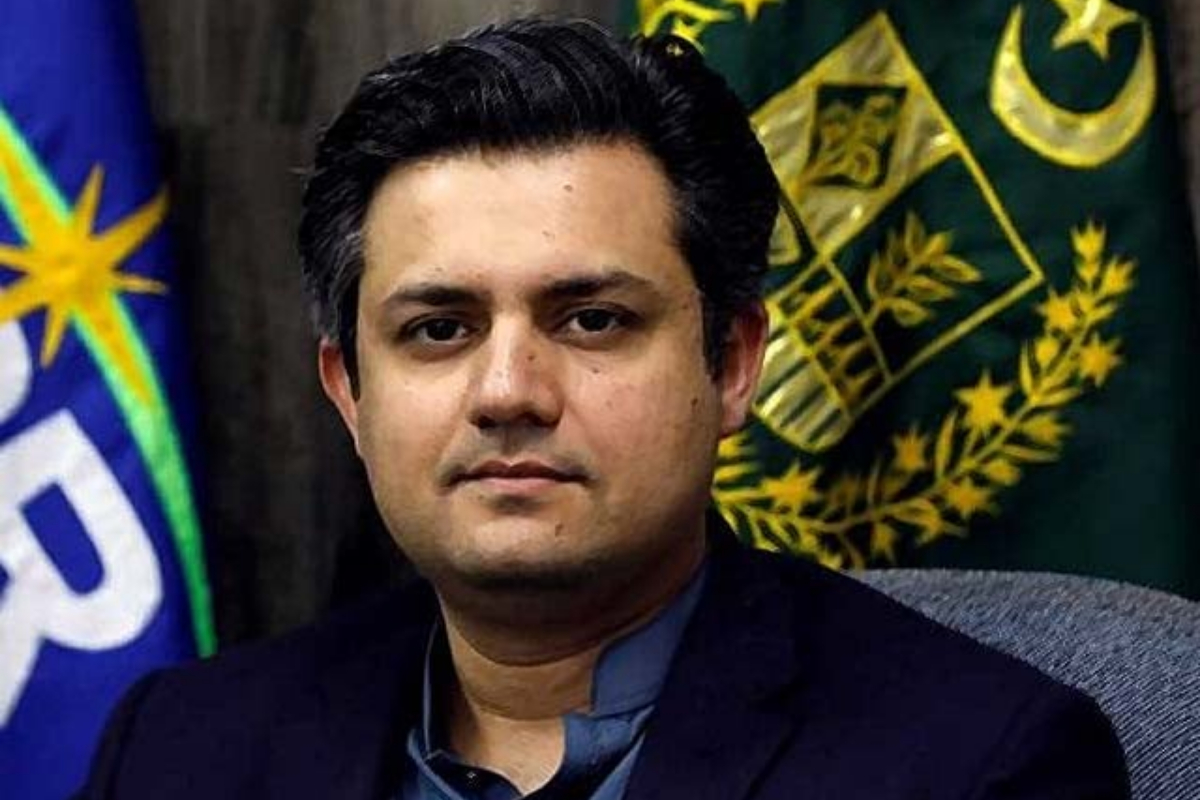
LAHORE: A Lahore anti-terrorism court on Monday handed Pakistan Tehreek-e-Insaf leader and former federal minister Hammad Azhar over to police on a 20-day physical remand.

Anti-Terrorism Court Judge Muhammad Akram conducted the hearing on the police’s request for Azhar’s physical remand and approved the 20-day custody.

Azhar was arrested in Multan on Sunday, while Lahore police formally recorded his arrest on Monday, according to the report.

A police spokesperson said Azhar was wanted in 18 cases registered by Lahore police and had been in hiding for about three years.

Federal govt raises petrol price by more than Rs12 per liter

Federal govt

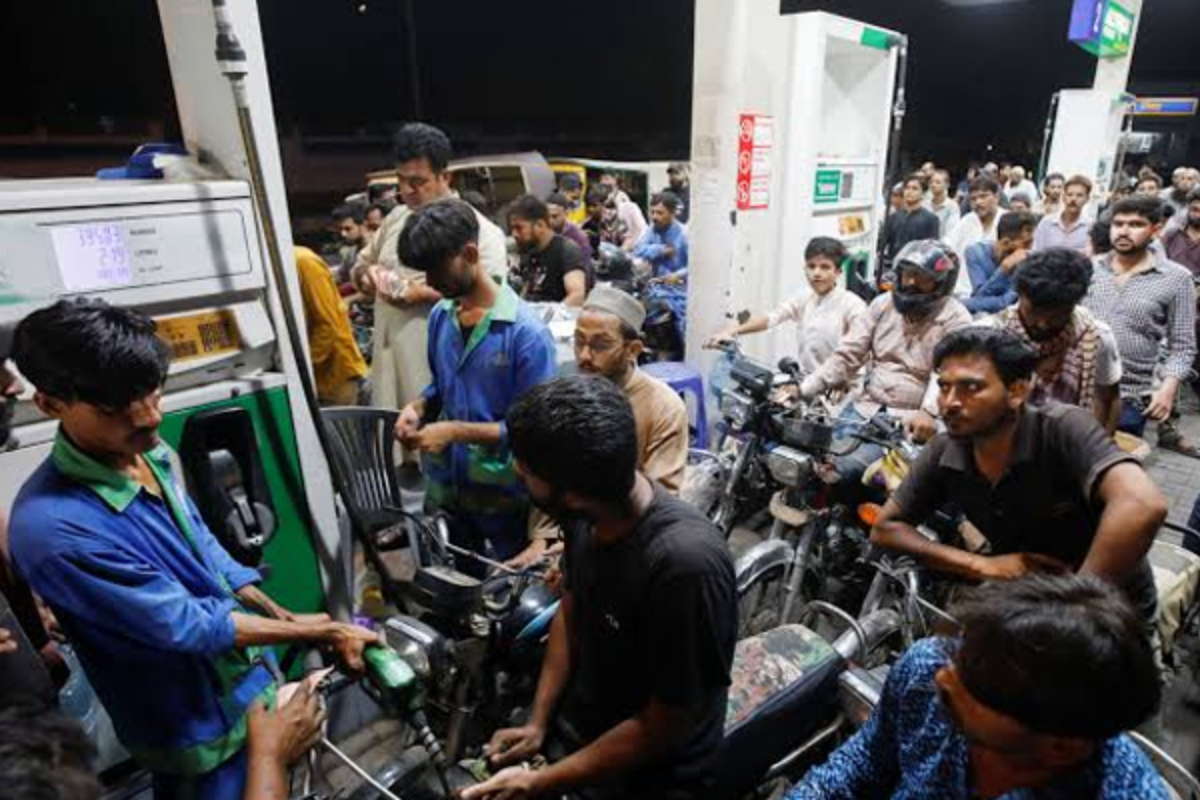
ISLAMABAD: The federal government has increased the prices of petrol and diesel, according to a notification issued Monday.

The price of petrol has been raised by Rs12.90 per liter, taking the new price to Rs358.77 per liter.

The price of high-speed diesel has increased by Rs3.72 per liter to Rs381.77 per liter, according to the notification.

The new prices will take effect Sept. 8.

JI gives government three days to review proposals

JI gives

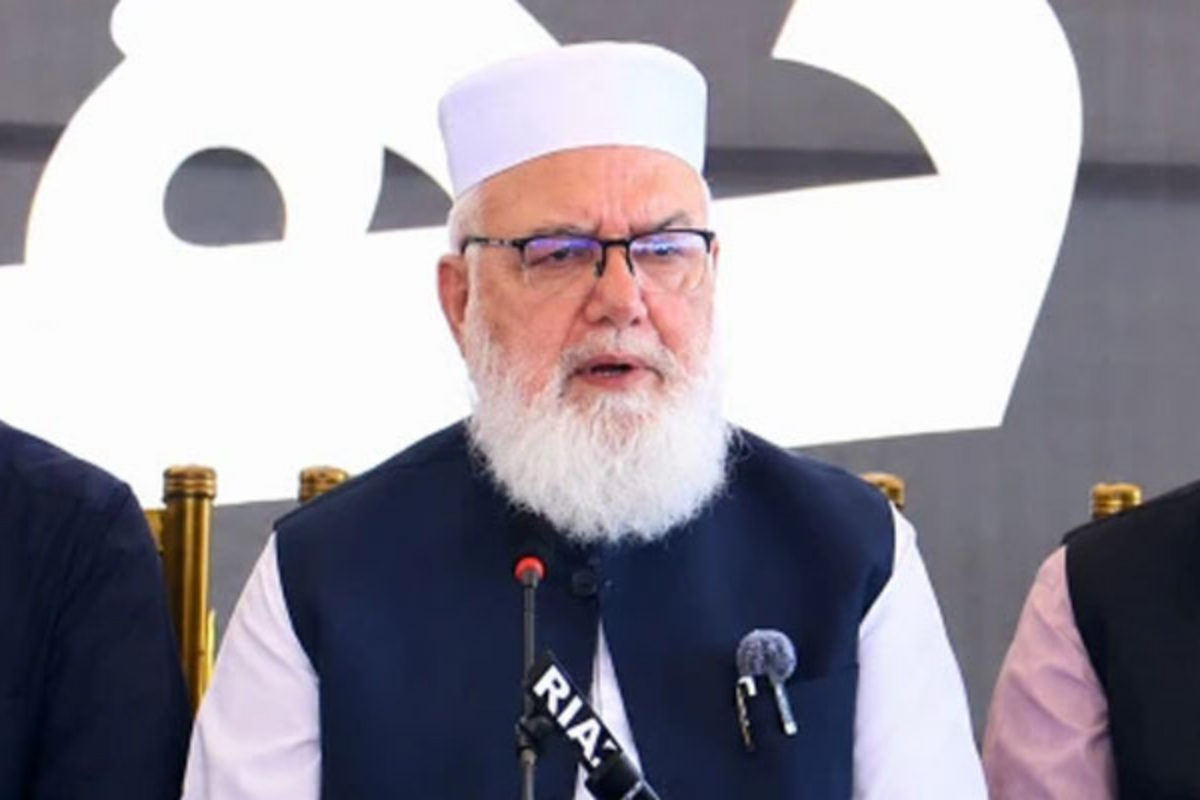
ISLAMABAD: Jamaat-e-Islami Deputy Emir Liaquat Baloch said Monday that the party had presented six proposals to the government, which requested three days to review them.

Baloch said the government would examine the proposals as negotiations between the two sides continue. He added that the party’s protest campaign would also continue alongside the talks.

He said the government had collected more revenue through the petroleum levy than the target set in the federal budget.

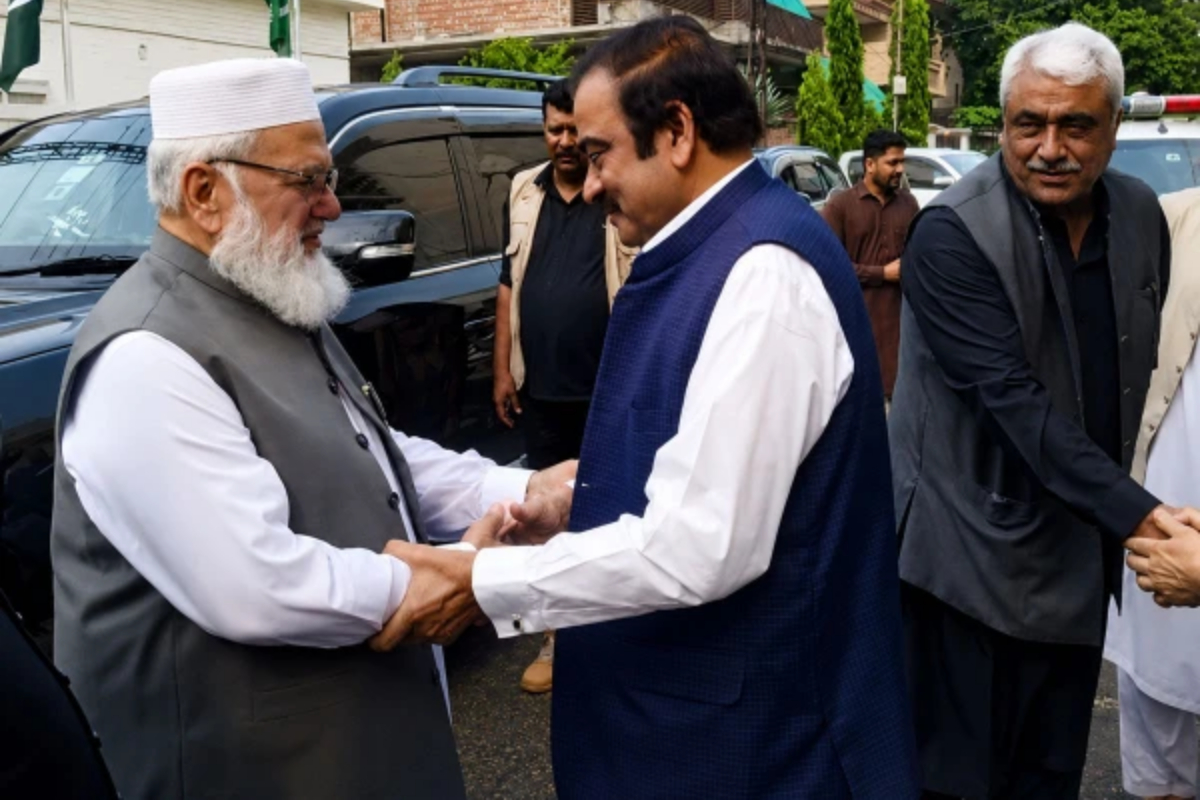
Federal Minister Ahsan Iqbal, speaking after talks with the Jamaat-e-Islami delegation, said negotiations would resume Thursday.

Iqbal said no government wanted protests to take place in the country but acknowledged that governments sometimes face difficult circumstances.

He said the party’s proposals would be forwarded to the relevant ministries for consideration.

He said the government sometimes faced difficulties, but JI’s proposals would be forwarded to the relevant ministries for consideration.

“Everyone is concerned about the public interest,” Iqbal said, adding that the government did not want to place an additional burden on the people.

He said the government would be pleased if relief could be provided to the public in any way.

The meeting was held after JI’s nationwide strike against the petroleum levy and inflation, which received a mixed response as markets and shops partially closed in parts of Sindh and Khyber Pakhtunkhwa (KP), while businesses largely remained open in Punjab and Balochistan.

The party has also been holding sit-ins for more than 20 days in provincial capitals and other cities as part of its campaign against the petroleum levy and rising inflation.

Government, Jamaat-e-Islami to hold talks on Sept 7

Government

LAHORE: The federal government and Jamaat-e-Islami will hold talks on Sept. 7 on issues including the petroleum levy and measures to provide relief to the public, the party said Friday.

Jamaat-e-Islami Deputy Emir Liaquat Baloch said Prime Minister Shehbaz Sharif and the party’s negotiating committees will meet in Islamabad on Monday to discuss ways to address issues faced by the public.

Baloch said Inayatullah Khan, Farasat Ali Shah, Ziauddin Ansari, Nasrullah Randhawa and Naveed Ali Baig will represent Jamaat-e-Islami in the talks.

He said the government’s seriousness and the pace of negotiations would be crucial to resolving the issues. Baloch added that it would now depend on the government how seriously it approaches the talks and how quickly it moves toward a solution.

Baloch said Jamaat-e-Islami’s sit-ins, protests and public gatherings would continue across the country. He said the demonstrations were aimed at highlighting and resolving problems faced by the public.

He added that the party would seek relief for citizens and solutions to their problems through negotiations with the government.

Taapsee Pannu reveals how female film failures affect future projects

Taapsee Pannu

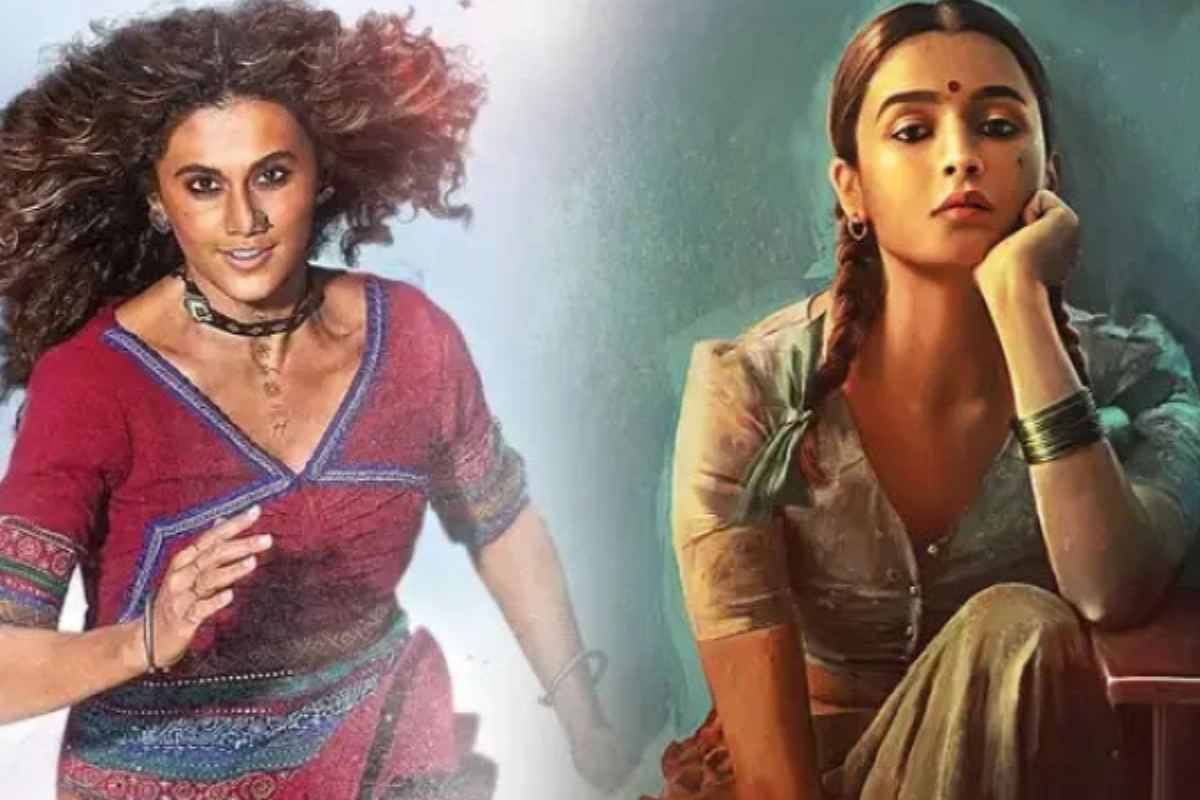
Bollywood actor Taapsee Pannu has spoken about what she described as a double standard toward female-led films, saying the failure of a major movie can make investors more reluctant to finance projects centered on women.

Speaking during promotions for her upcoming film “Gandhari,” Pannu said female actors face greater scrutiny when they lead big-budget action movies that do not perform as expected.

She said that when a major investment in a female-led film fails, questions are quickly raised about why so much money was spent on the project. Pannu questioned whether male-led films face the same level of scrutiny when they fail to meet expectations.

Pannu said films led by male actors can sometimes be considered successful even when their stories are not exceptional, while female-led movies are often expected to exceed expectations and deliver an unusually strong performance.

According to Pannu, investors can become hesitant to back female-led projects after a high-profile failure, with some planned films being delayed or abandoned before production begins.

Asked whether she had experienced the same situation following the reported failure of Alia Bhatt’s “Alpha,” Pannu said, “Yes, every year.”

Pannu said conversations with investors often change after a major female star’s movie underperforms. She said investors may ask whether projects featuring other female actors can succeed if a film starring a major Bollywood star has failed.

However, Pannu also pointed to the opposite effect when a female-led film succeeds. She said a successful movie can encourage producers and investors to pursue similar projects and create new opportunities for other actresses.

She cited the example of a successful female-led horror film, saying it could prompt the industry to conclude that audiences will support women in such roles and lead to more projects of the same type.

Pannu will next appear in “Gandhari,” in which she plays an action-oriented role. Her comments have renewed discussion about the opportunities available to female actors and the financial risks associated with women-led films in Bollywood.